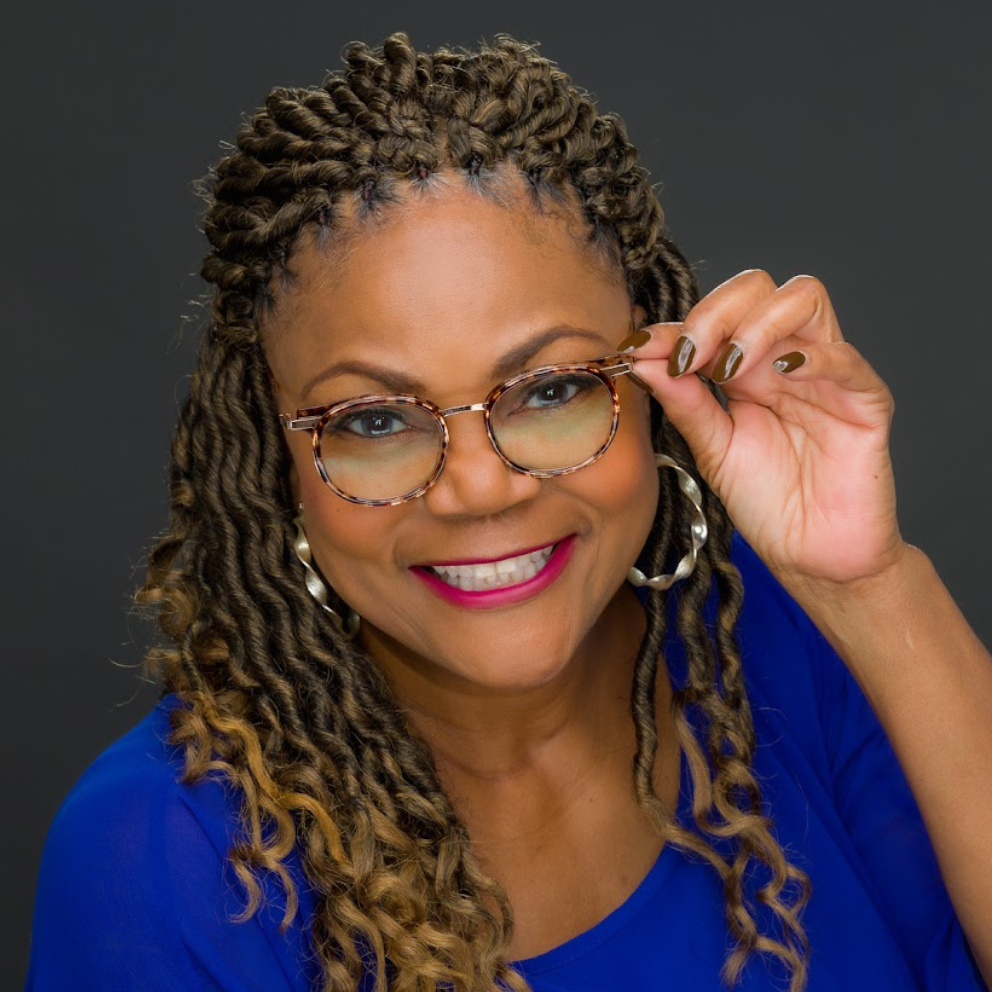
Angela Wright
Dr Angela Wright is a UK GP, clinical sexologist and BMS Advanced Menopause Specialist, co-founder of Spiced Pear Health, and a frequent podcast guest on menopause, sexual wellbeing and ADHD.
5
APPEARANCES
4
PODCASTS
Oct 26, 2026


Holly WilloughbyHOST
Dr. Angela, why, because you hear this quite often where people will say, I still am so in love with my partner, I just don't want to have sex with him.

Angela WrightGUEST
Well, I think it's really interesting that we're talking about talking to partners, but actually a lot of the time, there's a closer study that said that women don't even share, 50% of women don't even share with their partner that they're having these changes.
Angela WrightGUEST
I think communication falls off over time, but there's also something about we get quite typecast.
Angela WrightGUEST
I think you spoke to it earlier on about how often women will prioritise their partner.
Angela WrightGUEST
It's not particularly hitting their heights but we don't encourage women to talk about their needs in fact i would go the other way and say we sort of systematically tell women to push their needs down that's what you do when you're selfless being a mother that's what you do when you take care of everybody and then we kind of wonder why they get disconnected from what they want and don't have to name it in relationships so i obviously get people that come to see me with low libido and pain and we're starting from this really big break that's on their jaw control and they've also got a big fat break mentally because they are permanently in fight flight.
10 MINS LATER


Rachel FortuneHOST
If people are wanting to protect their brain, what do you suggest they can do going forward?
Angela WrightGUEST
I think that's a really good question because that's the underlying fear that we have, isn't it? I think most of us get to this point.
Angela WrightGUEST
you start to see the future and you want to do what you can to make sure that you're safe the research is still the really sensible really boring things that we all know so your brain's a bit like a muscle actually it you know we need to do the same things that we would do with looking after the muscles in our arms and legs to look after our brain health so we need to exercise it that means keeping learning new things keeping socially connected What we're doing now is brain exercise.


Angela WrightGUEST
Your body, the sort of soup of your hormones affects how you receive incoming stimulus, you know, whether that's sexual stimulus like touch.
Angela WrightGUEST
You don't get such a lot of blood supply to the genitals if you haven't got estrogen going through your system.

Angela WrightGUEST
So I did it, we's all, we all set off together, didn't we? But Gemma had, the, my walking partner, had managed to tear her calf like 72 hours, 48 hours before the walk.
Angela WrightGUEST
And it was really evident from the beginning that she wasn't gonna be able to walk at the same speed as the march pace.
Angela WrightGUEST
And I, and at one point I forgot she even existed, and I had to be nudged to remember that she was behind us, [laughs] which felt really bad.
13 MINS LATER

Dani BinningtonHOST
Why do you feel when people come to you that they don't own the decisions and agency over their body? Where's that come from? Is it from seeing too many people who haven't been allowed to make decisions? Is it what you hear from your colleagues and doctors? Where's that come from, that frustration?
Angela WrightGUEST
It's a good question, 'cause I suppose, uh, if you asked a load of doctors, we'd all probably have a different view on where that balance of risk sits, you know? Is, is the risk of a decision with me as a prescriber, or does it sit on the head of the person that is taking the prescription? And I think we probably all have different comfort levels.
Angela WrightGUEST
The, the, the things that I've done lots of work in have been palliative medicine, so I worked in a, a hospice for a decade.
Angela WrightGUEST
There's a lot there which is about quality of life rather than worrying too much about being on the dot of, you know, guidelines and things, which maybe sets my direction.
Angela WrightGUEST
I'm now working a lot in sexual function, where it's not full of guidelines and we're working off label with medicines.
Angela WrightGUEST
And I suppose what I, what sits in me as a practitioner is I don't feel like I have the control in a consultation, and I think too often I feel that doctors can feel that because responsibility may sit heavily on their shoulders, that almost kind of control and decision can sometimes sit there too.