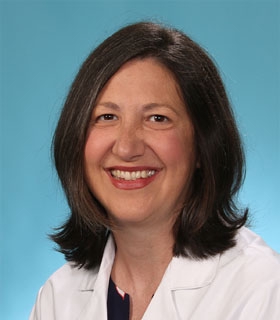
Angela Hirbe
Angela Hirbe, MD, PhD is Associate Professor of Medicine and Pediatrics at Washington University School of Medicine, Director of the Adult Neurofibromatosis Clinical Program and Sarcoma Program.
5
APPEARANCES
5
PODCASTS
May 29, 2026


Angela HirbeGUEST
I think all of these are challenges that various providers face and all things that, you know, we plan to touch on today.
Angela HirbeGUEST
So neurofibromatosis type 1 affects about 120,000 Americans and 2 million people worldwide.
Angela HirbeGUEST
It's a genetic neurocutaneous disorder that predisposes individuals to develop both benign and malignant tumors.
28 MINS LATER

Angela HirbeGUEST
I think all of these are challenges that various providers face and all things that we plan to touch on today.
Angela HirbeGUEST
So neurofibromatosis type 1 affects about 120,000 Americans and 2 million people worldwide.
Angela HirbeGUEST
It's a genetic neurocutaneous disorder that predisposes individuals to develop both benign and malignant tumors.
Angela HirbeGUEST
And neurofibromin functions as a tumor suppressor, so losing this results in overactivation of various growth signaling pathways.
28 MINS LATER

Angela HirbeGUEST
I think all of these are challenges that various providers face and all things that we plan to touch on today.
Angela HirbeGUEST
So neurofibromatosis type 1 affects about 120,000 Americans and 2 million people worldwide.
Angela HirbeGUEST
It's a genetic neurocutaneous disorder that predisposes individuals to develop both benign and malignant tumors.
Angela HirbeGUEST
And neurofibromin functions as a tumor suppressor, so losing this results in overactivation of various growth signaling pathways.
28 MINS LATER

Angela HirbeGUEST
I think all of these are challenges that various providers face and all things that we plan to touch on today.
Angela HirbeGUEST
So neurofibromatosis type 1 affects about 120,000 Americans and 2 million people worldwide.
Angela HirbeGUEST
It's a genetic neurocutaneous disorder that predisposes individuals to develop both benign and malignant tumors.
Angela HirbeGUEST
And neurofibromin functions as a tumor suppressor, so losing this results in overactivation of various growth signaling pathways.
28 MINS LATER

Angela HirbeGUEST
I think all of these are challenges that various providers face and all things that, you know, we plan to touch on today.
Angela HirbeGUEST
So neurofibromatosis type 1 affects about 120,000 Americans and 2 million people worldwide.
Angela HirbeGUEST
It's a genetic neurocutaneous disorder that predisposes individuals to develop both benign and malignant tumors.
28 MINS LATER