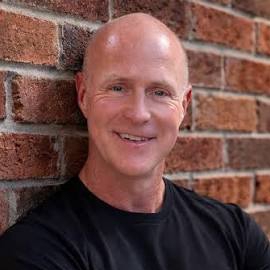
Angel Willard
Canadian author from British Columbia, memoirist of "Fighting to Come Home" about trauma, motherhood, and healing.
11
APPEARANCES
11
PODCASTS
Oct 13, 2026


Etu DanielHOST
What was the biggest turning point in your life that changed the person you were becoming?

Angel WillardGUEST
And when you have to take accountability and deal with your consequences because of your actions, then you are left with nothing but time to look at your past, look at your life, and its incarceration ca- changed the way I thought about my identity.
Angel WillardGUEST
And your life can suddenly be reduced to a charge or the worst thing someone knows about you, and it can feel as though the world has decided who you are based on one chapter.
Angel WillardGUEST
But it also confronted me and, and there was nowhere else to run from certain truths.
Angel WillardGUEST
I had to sit with my regret and think about my children and think about the direction my life had taken.
6 MINS LATER

Angel WillardGUEST
When you grow up and you only know certain skills, you only know what you're taught.
Angel WillardGUEST
When your parents' trauma and stuff or their way of doing things get taught to you that you think are normal or part of life, then you carry that and you practice that in your life.
Angel WillardGUEST
And some people don't always have the skills to understand that, but it's being talked about a lot more these days about what our parents done or what their parents done in their lives, traumas, it gets passed down, but I, my incarceration happened a year after my accident and me going to do unorthodox things to have for my finances and stuff.
Angel WillardGUEST
And then I always let people walk all over me and I was taken advantage of at that point, but I still had a brain injury and that was new and I didn't get the help I needed right away.
18 MINS LATER

Karen RobinsonHOST
I want to know why this summit? What about the title, Finding Safety After Trauma Resonated? What did you jump up to decide to be a speaker?

Faith EwersHOST
Before you wrote this book, before you became an author, when you look back at your life, where do you think the refight began? Where did it begin from? Was there a particular moment where you realized, "I have to find my way back to myself"?
Angel WillardGUEST
I was carrying a lot of pain I didn't fully understand, and when you experience trauma early in life, it can affect how you see yourself and what you expect from people.
Angel WillardGUEST
I-- looking back, I see how much of my life was trying to survive, and I-- my life was full of chaos, and it kept me stuck in, uh, those situations.
Angel WillardGUEST
And I've learned that my past is my past, and yes, those things happened, but they're not my whole story, and that's what I want people to really understand.
Angel WillardGUEST
I've made a lot of mistakes as well as had a lot of hurt done to me as well, and I live with that, and it's helped me build my, my future though.
15 MINS LATER
Faith EwersHOST
So is there a cycle you partic- you're particularly afraid of passing to your children?

Daniel LycisHOST
How did the experience reshape the way you understood yourself, not just a person in pain, but as a mother, wife, and a woman with a future?
Angel WillardGUEST
It changes your relationship with time, uh, your independence, your ambition, and even your confidence.
Angel WillardGUEST
And after my accident, I had to grieve the person I had been physically and emotionally, and there are things I can no longer do the same.
Angel WillardGUEST
There are days when pain will determine how much energy I have before the day's even started.
Angel WillardGUEST
I resisted it, and it almost became almost unacceptable, and I couldn't live like that.
Daniel LycisHOST
What do you wish people understood about living with a pain that does not show on the outside? How has it changed the way you move through the world?

speaker_0HOST
So India, can you start by telling us about your journey and what inspired you guys fighting to come home?
Angel WillardGUEST
So my journey has been definitely one that would have broke a lot of people and who I was before today is someone who carried a tremendous amount of unresolved pain I had experienced trauma early in life, and for a long time, I did not fully understand how much that trauma shaped the way I reacted.
Angel WillardGUEST
made decisions, or handled conflict and viewed myself, I was surviving more than I was living.
Angel WillardGUEST
And there were times when I reacted out of fear, anger, hurt, shame, or desperation.
Angel WillardGUEST
And I do not always have the tools to stop, reflect, and choose a healthier response then life became even more difficult after a catastrophic car accident that left me with permanent injuries and eventually some of my own choices led to my incarceration and separation from my children and Today, I focused on how I live and how I treat people and how I show up for my family and I use my experiences to help other people feel less alone.
Angel WillardGUEST
I'm trying to understand my past and take responsibility for my choices and have compassion for others.
7 MINS LATER
speaker_0HOST
So was there a particular moment when you realized you were beginning to find your way back to yourself?

FerdinandHOST
Mm-hmm
Angel WillardGUEST
... my car accident actually gave me a different outlook on life as well, and it's-- when you're in so much pain, it's probably your hardest teachers, honestly.
Angel WillardGUEST
It was incredible- incredibly difficult for me to, to realize that, and for a long time, I thought part of me was waiting to get my old life back.
Angel WillardGUEST
And writing my memoir has also taught me that strength doesn't always look strong.
Angel WillardGUEST
Sometimes it's just getting out of bed and getting someone to help you without being ashamed that you have to ask for help.
11 MINS LATER
FerdinandHOST
So now, uh, moving on to some of my final questions for you is, uh, what made you decide to put your experiences in a book?

Angel WillardGUEST
So it was actually, that's quite funny because honestly, as I was writing, things of my past became very vivid for me and it was quite easy for me to write a lot of it because it was like I was reliving those moments.
Angel WillardGUEST
And even back from when I was a kid, I remembered riding my bicycle from my mom's house to my dad's in this small town that we lived in.
Angel WillardGUEST
And it was, wasn't that far but it was but and i don't think i was more than four years old at the time five maybe and i literally would ride my bike from my mom's house across the bridge to my dad's house and i also remember the one time i did that a lady stopped and picked me up to take me to my dad's house because I was a little girl riding a bicycle by herself.
Angel WillardGUEST
There's moments when I remember my mom with me in the coffee shops and me poking my head underneath the tables or wanting to go home.

BlessedHOST
change that,
Angel WillardGUEST
but I am working on doing that now and it's not one it hasn't been one dramatic decision it's been hundreds of smaller decisions and a couple were noticing how you react and I noticed that a reaction in myself that I had done also had done to me from my parents but understanding that you know where that comes from but then realizing that you're not going to pass it forward and apologizing when you're wrong allowing your children to express their emotions instead of making them afraid of them it's learning that that Love doesn't have to be chaotic.
Angel WillardGUEST
When instability was what you grew up understanding, it's choosing communication instead of shutting down.
Angel WillardGUEST
And sometimes it's recognizing behaviors in yourself that you promised yourself you would never repeat.
Angel WillardGUEST
And that's painful itself because Generational cycles doesn't mean pretending that you've completely, you're completely different from the people who raised you.
BlessedHOST
wow absolutely wonderful angel now angel for my final question for this wonderful conversation we've had today for someone listening who's still somewhere in the middle of their own rebuilding who may not yet see how their story could become something meaningful, what would you want them to understand about the possibility of beginning again?


Angel WillardGUEST
... show them when they don't have a different mindset on that people can change either, right? [clears throat] And I am not asking anyone to pretend that my past didn't happen.
Angel WillardGUEST
And there's another difference between accountability and permanent condemnation.
Angel WillardGUEST
I also believe that if we generally believe people can rehabilitate, heal, and change, then at some point we have to allow room for changed behavior to actually mean something.
8 MINS LATER

speaker_0UNKNOWN
Hi and thank you for having me today.
Angel WillardGUEST
So before everything, I was a child learning how to survive in a chaotic life that felt normal at the time.
Angel WillardGUEST
I didn't understand who I was then and I kept running from everything I wanted I needed to heal from I didn't process a lot of things the way I should have also my life was very very chaotic and I was just constantly living in survival mode.
Angel WillardGUEST
Um, I learned at a young age that the people that are, the people that are supposed to protect you and look after you are sometimes not the ones that do, and they're the ones that end up hurting you.
5 MINS LATER
speaker_0UNKNOWN
me I feel that

OkoroHOST
So how has physical pain affected your emotional well-being? And how has it been living with chronic pain and disability?
Angel WillardGUEST
Deal with that as well as trying to be the person that you're trying to become.
Angel WillardGUEST
One day before my accident, I probably thought about health the way a lot of people do.
9 MINS LATER
OkoroHOST
I'm happy that you were able to do that for yourself and for your own generation.