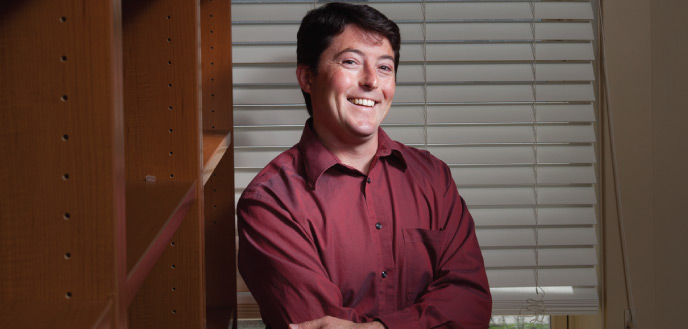
Andrew Shtulman
Researcher
1
APPEARANCES
1
PODCASTS
Oct 13, 2026


Deena WeisbergHOST
So just to start us off, can you give us a quick summary of the main argument that you make in that book?

Andrew ShtulmanGUEST
The argument is essentially that imagination develops, that it's not something we are born with as a full-fledged trait.
Andrew ShtulmanGUEST
There is a popular view of imagination that children are the most imaginative beings on the planet, and that with education particularly, like job training, adults lose their ability to be imaginative because we hone our skills at doing things that are very mundane and boring.
Andrew ShtulmanGUEST
And children have this innate capacity that we no longer know how to use when we're adults.
Andrew ShtulmanGUEST
But I argue that it's actually the opposite, that imagination is a skill that develops just like any other cognitive skill, and really what pushes that development is knowledge and reflection.
Andrew ShtulmanGUEST
So the more you know, the more possibilities you can consider just beyond what you know.