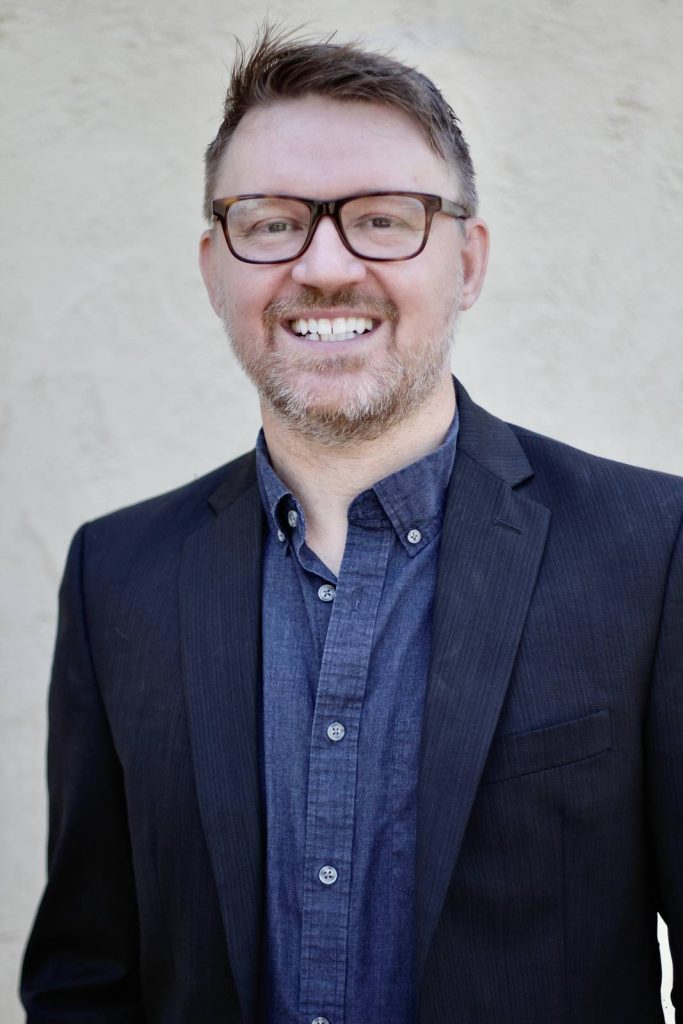
Andrew Root
Author
7
APPEARANCES
3
PODCASTS
Oct 29, 2026

Andrew RootGUEST
Yeah, I mean, I think in one part, it's just an interesting kind of sense of our imaginary.
Andrew RootGUEST
And what I mean is if you sat next to someone at a Twins game, Derek, of course your first presumption is just, this is just a regular dude.
Andrew RootGUEST
Probably works at a corporate target or something like that, sells insurance or whatever.
Andrew RootGUEST
I think I would be is if the clues were something cosmic, I would be, I would, I would think they're crazy, right? Like I would, I would, I would, I would disconnect from that.
8 MINS LATER
Derek TronsgaardHOST
That's a really interesting thing to think about that God has to also work within the confines of the imminent frame in that sense.

Andrew RootGUEST
I mean, it, it's interesting that you kinda frame it, and I think others do, and there's, there's all sorts of stuff, you know, written and more and more being written around here, uh, ar- around the sense of, like, creating God, which in some ways shows, like, incredible philosophical slippage.
Andrew RootGUEST
You know what I mean? Like, um, from just a kind of philosophical perspective to talk about what is God is like w- w- what, what is not created, the, the creator as opposed to the creation.
Andrew RootGUEST
So to even like-- You've already fallen into big problems when you're saying, "Can we create God?" Like philosophically.
10 MINS LATER
Andrew RootGUEST
But Loader is really hard but really fascinating, and he's-- a lot of ministers, pastors, practical theologians don't read him because he's so hard, but he's really quite...
Andrew RootGUEST
If you can get through the, the kind of difficulties, it's really, it is incredibly formative 'cause it's very unique.
Andrew RootGUEST
And what he's doing in "The Logic of the Spirit" is he's trying to think about what it, w- what we've tended to think about as, like, human development, what it means to move in-- Well, let's, let's just put this kind of in the parlance of, of our time and say, like, what does it mean to grow up? And he's trying to think, like, how does the human spirit, how does the human spirit kinda move across its lifetime, um, in search for the Holy Spirit? And what really changes the human spirit? So he kinda, like, goes from infants through, like, preschoolers to, uh, uh, what he calls school-age kids, you know, like elementary-age kids, to adolescents, to, you know, uh, adults, to elderly people, looking at this kinda dynamic of how the human spirit works.
Andrew RootGUEST
So there's a lot of social science, there's a lot of kinda conversations with Freud in it and things like that 'cause that was kind of, you know, the, the milieu in which he, he came of age.
Derek TronsgaardHOST
And so basically, you don't have any sense of like a private and a personal self that we talked about before and yeah you just kind of have to develop this callus in order to like keep functioning and keep the stabilization going I think is what it really is when you boil it down to it but
Andrew RootGUEST
Yeah, I mean, it's an interesting question of like, especially within, you know, both of us living around a kind of Lutheranism and at least are in some kind of dialogue with kind of Lutheran sources and stuff.
Andrew RootGUEST
If we think of Luther in the kind of drives of the pastor, there is something about Luther.
Andrew RootGUEST
the centrality of Anfaktum, of this sense of like, there's an admitting that you're going to get hurt, that you are going to have angstiness.
Andrew RootGUEST
I mean, you can hear the echoes of this in Bonhoeffer in Life Together, where he's like, if you want To be in a church that never has the pains of discord, you definitely don't want community.
5 MINS LATER
Derek TronsgaardHOST
It's like, as pastors, yes, we are a helping profession, but is there a goal associated with the ministry that we do beyond just being in a community of believers together? I think that's an interesting question, and I'd be really interested to hear what you have to think about that.
Andrew RootGUEST
Fir- so first thing to say is, uh, this is, this is a quote that comes from "Logic of the Spirit." So if people have not read "The Logic of the Spirit" by Jim Loder, it's, it's totally worth reading.
Andrew RootGUEST
And I don't know, Derek, maybe we can do this on the podcast, but, uh, a, a retired pastor named Rick, I was at an event with him, and he-- it was this, uh, like this pa- West Coast pastors event, and, uh, it's been going on since, I don't know, late '60s, early '70s.
Andrew RootGUEST
And so they had listed every name that had given the lectures there, um, and I had the privilege of giving them in, I guess that, yeah, this year, so 2016.
11 MINS LATER


Skye JethaniHOST
And modern consumer capitalism and our drive for ever increasing economic strength, not through cults, but through capital and markets.
Andrew RootGUEST
I mean, it is fascinating, you know, if you're down on Wall Street and you just see all these tourists taking selfies and pictures with this, you know, this raging bull that's right there.
Andrew RootGUEST
And yeah, it just takes a little bit of reading of the, you know, the ancient Near East and the biblical text to be like, oh, my gosh, there's a there's a parallel here for for sure.
Andrew RootGUEST
But I think one of the big the big moves for us or what As late moderns and as secular people, which is a very complicated word in itself, but I think one of the things that occurs for us is we disconnect our escalation, the stabilization of our society.
15 MINS LATER
Skye JethaniHOST
Talk about why is late capitalism and the decline of the growth of the American economy since the 1970s, or at least the slowdown of its growth, why does that trigger a different approach to church in your mind?


Joey MillingtonHOST
If the growth stabilizer one and seeing more people show up at our services isn't the one that we should necessarily be putting first or second or even third.
Andrew RootGUEST
But really the push here, and this is like Isaiah Berlin said, there are two kind of thinkers in the world.
Andrew RootGUEST
There's foxes and there's hedgehogs, and the fox knows many things, and the hedgehog knows just one big thing.
13 MINS LATER