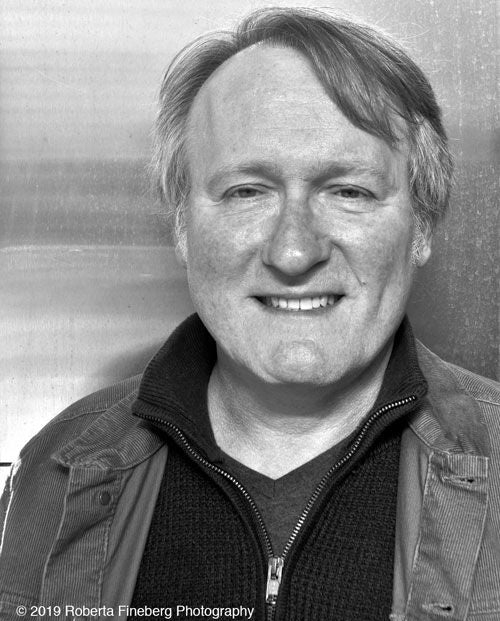
Andrew Krivine
New York-based collector and author who owns one of the world's largest private collections of punk and post-punk graphic design and memorabilia.
1
APPEARANCES
1
PODCASTS
Aug 22, 2026


Russ BestleyGUEST
When I talked to Malcolm Garrett years ago, he was describing this kind of divide between the professionals and the behind the scenes art directors and the design studios at the labels and the major labels and then his generation of newcomers who were attached to the band.

Andrew KrivineGUEST
This is why Jamie Reed, obviously the Pistols, Peter Saville, LaJoy Division, New Order, they could translate the music into visual terms.
Andrew KrivineGUEST
And as the designers rose in prominence during those music scenes, what happened, especially with punk, finally the record sleeve became... an artistic format in a way.
Andrew KrivineGUEST
In the 60s, you did have a handful of bands who could afford to hire the best graphic designers.
13 MINS LATER