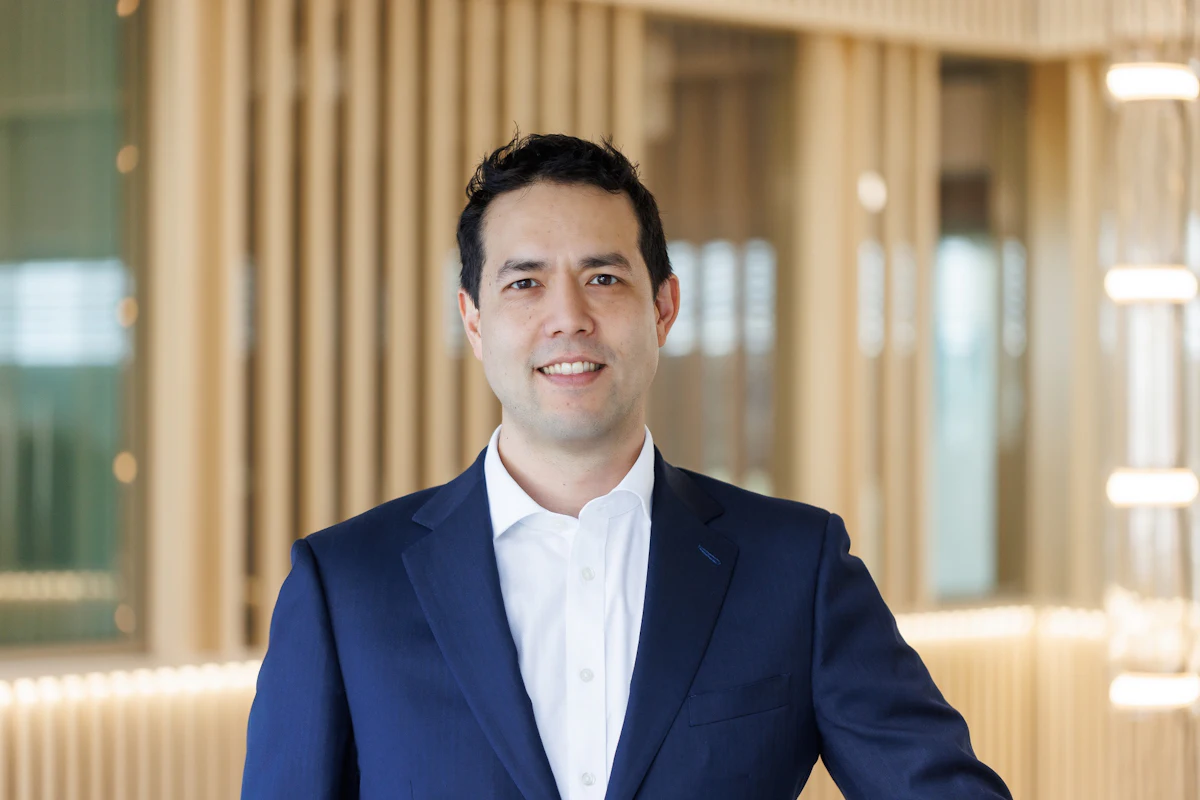
Andrew Cavey
1
APPEARANCES
1
PODCASTS
Jun 17, 2026


Nicole RaleighHOST
What can you share with listeners about the evolution of radiopharma itself beyond the original two pillars, so to speak, of GEP-NETs and PSMA, and if I may, including also the move towards a multi-isotope model?

Andrew CaveyGUEST
The, the field of radiopharmaceuticals has really evolved in quite a natural way, and this goes back a fair bit.
Andrew CaveyGUEST
Radiation and X-rays were discovered almost at the same time in the late 19th century by, by Becquerel and by Röntgen, and very, very quickly, physicians at the time tried to apply these new findings to cancers and in fact, interestingly, to infectious diseases as well.
Andrew CaveyGUEST
By about the middle of the last century, radiation oncology started to emerge into what is now one of the backbones of cancer care.
Nicole RaleighHOST
But if we sort of tunnel into that radiopharmaceutical shift from niche to more mainstream, but at the same mainstream to niche, in your own words, how will this year be perhaps, if not the defining year, a defining year for radiopharma?