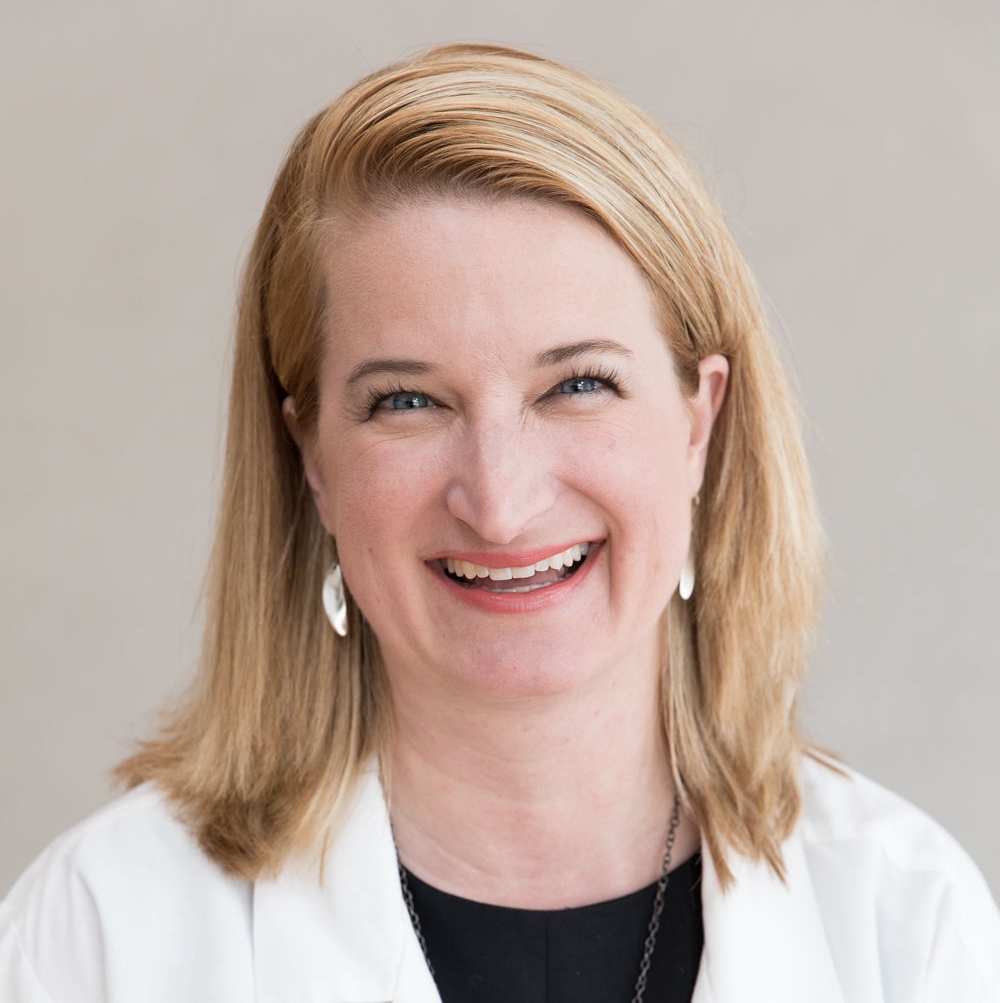
Amy Waterman
Amy Waterman, PhD, FAST, is a transplant health-services researcher and Director of Patient Engagement, Diversity, and Education at Houston Methodist's J.C. Walter Transplant Center, holding the Phillips Centennial Chair in Transplant Medicine.
1
APPEARANCES
1
PODCASTS
Jun 3, 2026


Karandeep SinghHOST
So when you looked at this journey, where did you feel like from a predictive AI lens or all the places where we can use AI to actually help identify the right people so that the people who need the intervention along that journey, of which there may be many different interventions, can actually get that?

Amy WatermanGUEST
So we know with transplant, it's a narrow group of people who are interested in transplant.
Amy WatermanGUEST
But what we know is as you move backwards into the large population of CKD patients, where do we prioritize our efforts? How do we find people that we need to be intervening either to slow kidney damage from happening period or to also identify people who need to be referred into a transplant center? So a lot of the work we've been doing and many other people have been doing as well is we're looking for patients who are having rapid progression of CKD.
Amy WatermanGUEST
And we found in the state of Texas, I'm working with a big consortium, but we found about 12% of the patients at Houston Methodist, for example, are in high progression of kidney disease.
Amy WatermanGUEST
So then the idea would be, all right, are they getting cardioprotective medications to slow their kidneys from functioning from, sorry, let me say it again.
Amy WatermanGUEST
So of the 12% of all of our CKD patients that we're taking care of at Houston Methodist, what we want to say is, all right, first of all, are the patients seeing a nephrologist? Are they getting cardioprotective medications prescribed to them so that their kidneys function can slow or even stop declining.
Amy WatermanGUEST
And then finally, if they're at the point that they're in end-stage renal disease, are they getting referred for transplant outside? So it creates a continuum of care approach where first we're looking at who do we need to focus on most urgently.
Karandeep SinghHOST
So when you then get to the point where you've now seen a nephrologist, okay, and now you have had that conversation, you are interested in pursuing your eligibility for transplant, what next are there some of the barriers? And like, what have you done in the predictive AI space to try to find those patients who have issues in actually completing that process of getting the transplant?