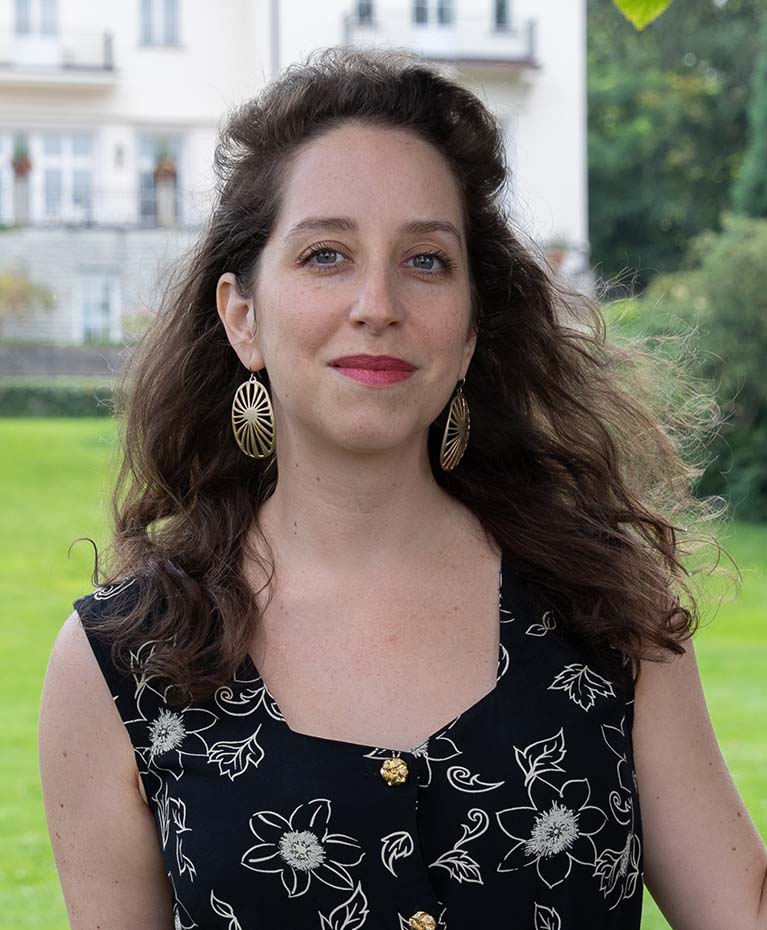
Amy Kurzweil
American cartoonist and writer
5
APPEARANCES
4
PODCASTS
Oct 18, 2026


Amy KurzweilGUEST
I think the reason why they have a human in the loop is to say, like, we have actually kind of fetishized in this culture actual human sensibilities.
Amy KurzweilGUEST
Maybe one of the reasons why I'm personally, you know, as somebody who thinks a lot about technology, comes from a tech lineage in my family and actually has a lot of positive and optimistic ideas about and feelings about technology, which most people around me don't have.
Amy KurzweilGUEST
I'm still so attached to like this handwritten, handmade mark of the body because I just think that's like a thing that we, don't engage with as much as we used to.
20 MINS LATER


Amy KurzweilGUEST
So yeah, on the question of, you know, these like, yeah, these continuous immersive romantic relationships, there's two ways to approach that question.
Amy KurzweilGUEST
So one is, like, people who are having these kinds of relationships with fictional characters who never, never had bodies in real space, and then there are people who are having these relationships with real people who are now dead who continue-- Their representation continues in this digital space.
Amy KurzweilGUEST
Uh, the first is kind of about fantasy and self-conception and rehearsing a kind of imagined romantic part of oneself, and there are moments in life or stages of development where that seems like it might play a really useful role, or healing from some kind of romantic trauma, or just like finding a space where y- there's something about your own capacity to relate to a person in real reality that feels like it needs a break [chuckles].
Amy KurzweilGUEST
Like, uh, I think when I've read pieces and talked to people who have those kinds of relationships with AI, I do think it's usually not permanent, but it's a sort of moment in life where that makes sense to them.
5 MINS LATER


Manoush ZomorodiHOST
This is cartoonist Amy Kurzweil talking about her grandfather, Holocaust survivor Frederick Kurzweil.
Amy KurzweilGUEST
Kurzweil.He was a very talented musician, and he became a pianist and a conductor, and he had a really promising career in Vienna and was sort of, you know, looking forward to a, a life of being a professional musician in the music capital of the world.
Amy KurzweilGUEST
[singing] And there was an American woman in the audience who was a, a wealthy benefactor who loved music, and she really loved his performance.
Amy KurzweilGUEST
And afterwards, she went up to him and she said, "I just am so impressed with you, and if you ever need anything, let me know.
Amy KurzweilGUEST
In 1938, the Nazis marched into Austria and took it over, and my grandfather realized very quickly, you know, sort of overnight, that he needed to, to get out of Vienna.
8 MINS LATER


Matthew SyedHOST
Amy also asks questions she knows the Fredbot can't answer, but finds its responses nevertheless resonant.
Amy KurzweilGUEST
When I asked about his experience in Vienna, his experience with anti-Semitism, the AI would bring up a whole passage about his resume.
Amy KurzweilGUEST
And for me, that made some sense because there's actually truth to his using his resume as a way to fight his fate, that he fled a dire situation in Europe and he ended up in the U.S. And what he clung to was his resume and his accomplishments.
Matthew SyedHOST
Even though it was Amy herself who poured over his personal documents, having their contents presented back to her is powerful.
Amy KurzweilGUEST
every time I would encounter a passage out of context, or was served something that I had never seen before or forgotten, probably.
Amy KurzweilGUEST
So the AI was presenting me with opportunities to make connections that I hadn't made previously.
Manoush ZomorodiHOST
This is cartoonist Amy Kurzweil talking about her grandfather, Holocaust survivor Frederick Kurzweil.
Amy KurzweilGUEST
He was a very talented musician, and he became a pianist and a conductor, and he had a really promising career in Vienna and was sort of, you know, looking forward to a, a life of being a professional musician in the music capital of the world.
Amy KurzweilGUEST
[gentle piano music] And there was an American woman in the audience who was a, a wealthy benefactor who loved music, and she really loved his performance.
Amy KurzweilGUEST
And afterwards, she went up to him and she said, "I just am so impressed with you, and if you ever need anything, let me know.
Amy KurzweilGUEST
In 1938, the Nazis marched into Austria and took it over, and my grandfather realized very quickly, you know, sort of overnight, that he needed to, to get out of Vienna.
8 MINS LATER