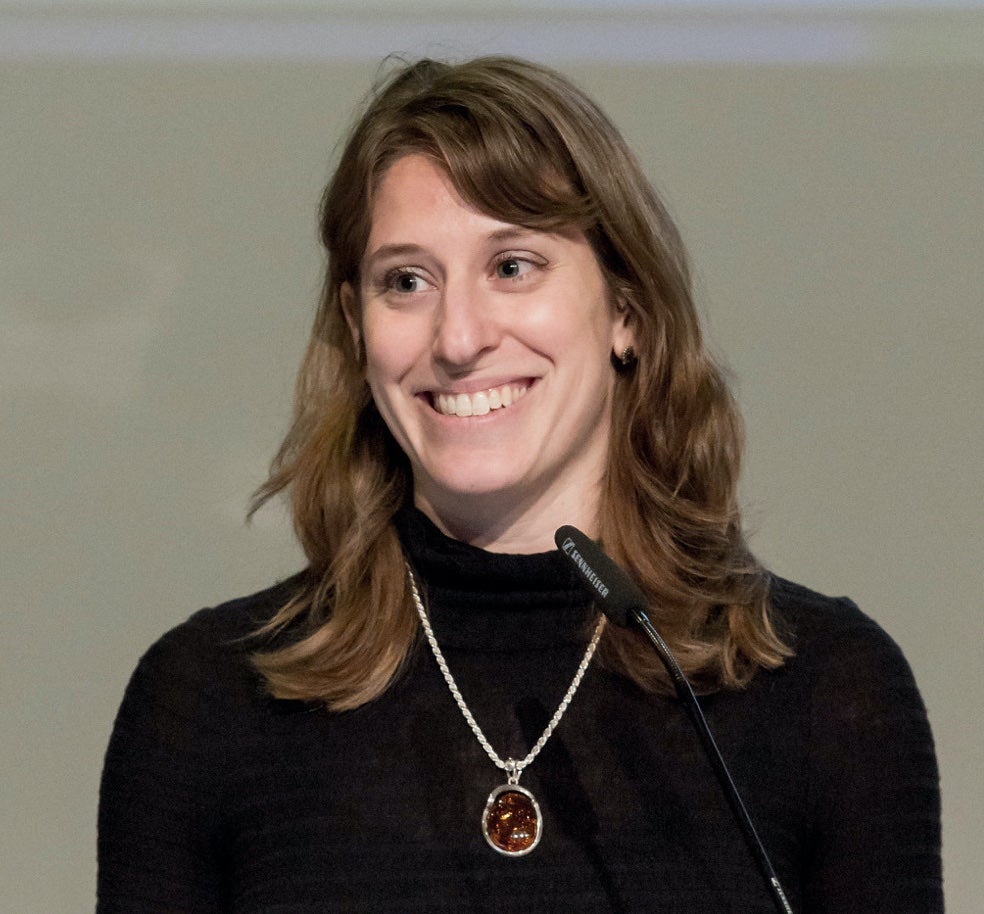
Alissa Cooper
2
APPEARANCES
2
PODCASTS
Aug 27, 2026


Alissa CooperGUEST
Let's assume that we do end up with a qualified auditor who has the skills and capabilities and resources and access.
Alissa CooperGUEST
to internal data and personnel in order to actually be able to conduct the measurement.
Alissa CooperGUEST
What are they going to be measuring? As, I mean, Matthew basically already explained this, but there's a lot of language in the settlement for some of the provisions, which essentially just falls back to META's definitions and their community standards and, you know, what they consider to be harmful, etc., This is not sufficient, right? We want to know whether after the settlement is in place, after Meta has claimed compliance, six months later, a year later, five years later, has the harm actually been mitigated? And you need a particular set of metrics for that, right? You need to understand from users themselves whether they feel like their well-being has been impacted, whether they can sleep better, whether they can focus better, whether all of the concerns and harms that brought...
Alissa CooperGUEST
state agencies together to bring this case have actually been reversed, not whether the tool was deployed.
Alissa CooperGUEST
Like, did we show the notification to the right users, right? This is like, I mean, that's important to know too.
Alissa CooperGUEST
That's like such the minimal bar, right? So we need a set of metrics and measurements that actually, that relate to actual harm and not just compliance with the functional terms of this settlement.
21 MINS LATER

Justin HendrixHOST
What do we see happening abroad as a result of this? How does this change the experience for teens in Canada or in Cambodia?

speaker_0HOST
In the first segment, Dr. Cooper discusses the rationale for using DLL3-directed therapies to treat small cell lung cancer.
Alissa CooperGUEST
So we're going to work on understanding DLL3 as a therapeutic target in small cell lung cancer.
Alissa CooperGUEST
What's the rationale in clinical evidence? So as many of you probably know, small cell lung cancer is a really complicated and very morbid disease.
Alissa CooperGUEST
Oftentimes patients are very clinically well and then three or four weeks later are almost in extremis from their symptoms from cancer that grows very quickly in the chest.
Alissa CooperGUEST
potentially causing dyspnea or even SVC syndrome or for new pain or things develop very quickly for these patients.
Alissa CooperGUEST
And typically has traditionally been thought of having quite a poor prognosis.
5 MINS LATER

Callie GoodwinGUEST
Could brain mets exclude patients from the TARLA trial or standard of care TARLA? These are