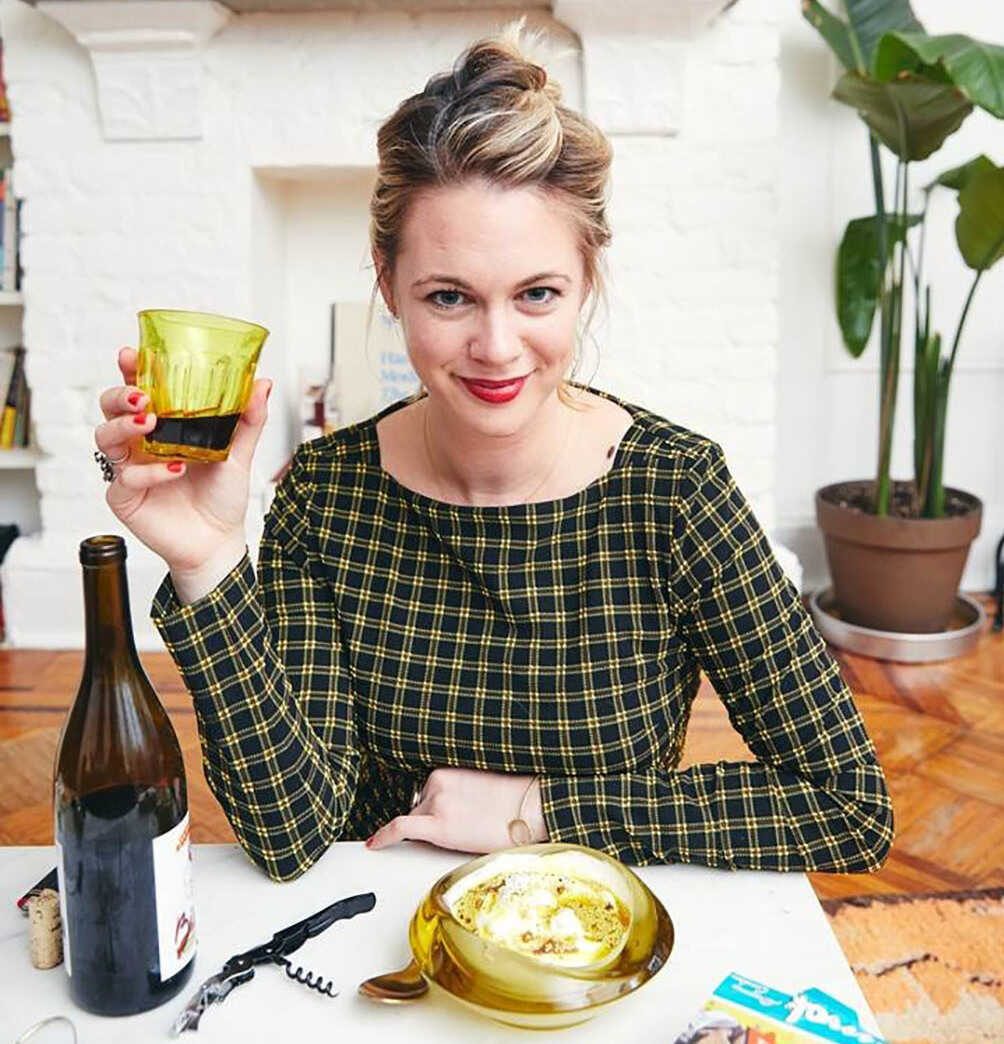
Alison Roman
American food journalist and chef
9
APPEARANCES
9
PODCASTS
Jun 23, 2026


Alison RomanGUEST
I was talking to somebody about this the other day, like how hard it is to be well-dressed now because of the homogenous culture and everybody sees everything and, but she so manages to, like, carry through.
Alison RomanGUEST
I mean, her style is the envy of every person with the, with, you know, awareness of the internet that has, like, seen all of her appearances over the last few years.


Kristen NaimanHOST
How did you relate to the femininity in an environment like that, and how did you use it or not use it?
Alison RomanGUEST
So this wasn't something that I started doing until, like, seven, eight years ago, and I think it was just, like, after a long time of not doing it, I was like, "Oh, this feels like something I want to do." Something that feels important to me in my, in my work that I make generally is that this feels unique, or this feels distinct, or this feels like a calling card of some sort.
Alison RomanGUEST
And I felt like at the time that was a good way to just be like, "Oh, this is me." And it wasn't, like, necessarily that intentional of a choice, it was sort of a background choice, but then it became a part of sort of my identity where I was like, "Well, now I feel naked without it."


Alison RomanGUEST
Not that I was scared of that happening to me, but it's sort of Titanic deck chair.
Alison RomanGUEST
And if there's a chance at all that you don't have job security, then maybe you find a different job.
Alison RomanGUEST
And when I started working in magazines, people jumped around to working in other magazines.
31 MINS LATER

speaker_1UNKNOWN
... and being like, "Why would you buy anything when you can make it yourself?" You know, as the person who their pantry is lined with, like, ingredients rather than I- you know, things.
Alison RomanGUEST
so it's funny that I then got in the tomato sauce business, because I've written recipes for tomato sauce, and I'm very proud of mine, and I think it's delicious, and easy to make, and anyone can do it.
15 MINS LATER


speaker_1UNKNOWN
Other restrictions may apply.
Alison RomanGUEST
Recently, I interviewed chef and cookbook author Alison Roman on stage in DC at Sixth & I.
Alison RomanGUEST
And since many of us are thinking about food this week, we decided to share that conversation.
Alison RomanGUEST
Even if you don't know Roman, it's likely you've eaten one of her recipes, especially her mega viral one for caramelized shallot pasta.
speaker_5UNKNOWN
(laughs)

Sam FragosoHOST
Okay, so as we leave, is it why you got into cooking? And- and also now, what's your reason for still doing this work?
Alison RomanGUEST
I do think that there is a level of anybody who cooks professionally, be it cookbook author, in a restaurant, a caterer, any sort of form of hospitality, there's a desire to care for people.
Alison RomanGUEST
And if that is because you didn't have nurturement or care growing up, or if that's just because you had an abundance of it and you enjoy it, there's a lot of ways to get there.


Alison RomanGUEST
When you're in New York, specifically, you can walk outside and within five minutes get any ingredient you want, pretty much.


Max TaniHOST
(laughs) You know, in your view, what is a cookbook for in kind of the age when you can get a recipe from TikTok or amazing recipes from the kind of New York Times app? What do you see as the value of a physical cookbook?
Alison RomanGUEST
Um, even in, like, uh, I don't know, like, storytelling capacity, where it's, like, you read a short story in The New Yorker, you like what they write, you're gonna buy their book 'cause you wanna read more of that or you wanna, you know, see through their eyes what, like, a collection looks like.
Alison RomanGUEST
Things that are a collection of something, be it a recipe or a story or, you know, songs, are meant to be, I think, enjoyed together.