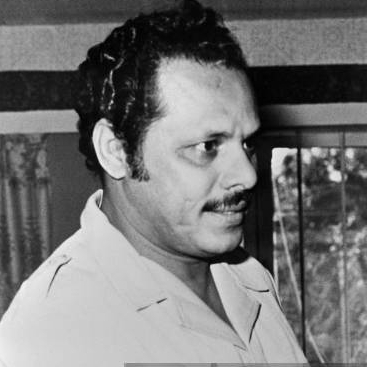
Ali Nasir
Founder and Managing Director of Rise360 Ventures, a second-generation manufactured housing community (MHC) investor with 45+ years in the industry.
8
APPEARANCES
3
PODCASTS
Oct 28, 2026


Ali NasirGUEST
First of all, number one, I mean, I'm just trying to keep it in the, you know, keeping your audience in mind.
Ali NasirGUEST
And I think you have to understand, you know, being vertically integrated is essential in this asset class.
Ali NasirGUEST
So not just property management and asset management, but if you're looking at value add plays, which I assume you are, if you look, you know, I'm not talking about a stabilized, passive, truly passive stabilized investment.
Ali NasirGUEST
I'm talking about those folks who are trying to get in and look at a value add play.
Ali NasirGUEST
In addition to the property management and asset management, you should have your dealer arm.
17 MINS LATER
Keith BorieHOST
What are some of the big things that you put in place when you take over and purchase a property?
Ali NasirGUEST
yeah there's a common phrase we repeat often is that you have the money you just can't use it and what you're saying is exactly right because we're taught that we should try to put our money in the 401k to get the match we're we're taught to look for the better return in the investment We're taught to just keep putting more in there and just keep working harder.
Ali NasirGUEST
And all of those things lead us to postponing what we want to have happen to some future date.
Ali NasirGUEST
So what I've seen is that when people realize that they can take control of their financial future and that doesn't mean that they have to become a quote unquote expert in the investment advisory space, right? Because that's what most people would say is like, I know you used to I have a career in corporate America as an IT professional.


Vinki LoombaHOST
So if you can take us through that journey, like how you're advising your clients now, are they really on board for Bitcoin now? Do they feel comfortable investing in Bitcoin? And then what do you see the difference like once, you know, when you started and now, like before and after?
Ali NasirGUEST
You could have done it, but you would have had to really been a computer guy to know how to buy Bitcoin.
Ali NasirGUEST
there was no thought leadership at that time saying here, hey, hang on to Bitcoin.

Ali NasirGUEST
Living in a fifth floor on the fifth floor, essentially of a, you know, I don't want to say rat infested, but yeah, feral cats and all kinds of things living in a in a major city in a third world or emerging country having to start over because of a major war.
G. Brian DavisHOST
So, you know, as as we wrap up, are there any other parting thoughts that you want to share about this knowledge of generational wealth and what to pass on to your kids, your grandkids to make sure that they're equipped to succeed in the decades to come?
Vinki LoombaHOST
So I wanted to hear from your journey, you know, what have you figured out in this journey? What was the biggest bottleneck for you at any stage, and how did you overcome it?
Vinki LoombaHOST
to share with us either a good deal or bad deal experience that fundamentally changed the way you evaluate every deal that comes your way.
Ali NasirGUEST
And I can give a specific example, but this applies to many of the deals that we did.
Ali NasirGUEST
So we use typically infill in my asset class, which is manufactured housing communities.
Ali NasirGUEST
We use infill as a strategy, meaning we buy homes and place them in our communities, all under a separate arm, I might add, as part of being vertically integrated, a dealer arm.
8 MINS LATER
speaker_2NARRATOR
Okay.
Vinki LoombaHOST
So how do you compare that market and this market? Do you see any similarities or anything different that you see now?
Ali NasirGUEST
The only three times I can remember seeing stagflation is, you know, in the late 70s.