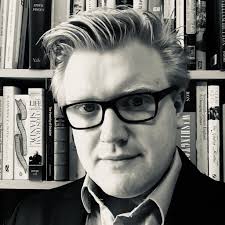
Alexander Wakelam
Economic and social historian of 18th-19th century Britain; Research Associate at University of Cambridge specializing in debtors' prisons, women's work, and occupational structure.
1
APPEARANCES
1
PODCASTS
Jul 21, 2026


Alexander WakelamGUEST
Broadly, it starts from a position of need, and then it moves into a position of habit in society.
Alexander WakelamGUEST
There's paper money coming in at the start of the 19th century, but most exchanges are still done with coins that are based on their weight of silver and gold.
Alexander WakelamGUEST
And there's actually not really enough of that in England or in large parts of Europe from the 16th century onwards.
Alexander WakelamGUEST
And so you don't have enough metal to supply the currency that reflects the wealth that's existing in society.
6 MINS LATER
60:01
Does he get more leeway because he's a baronet? Do members of the aristocracy, do gentlemen, do they get some extra room in paying back their debts?