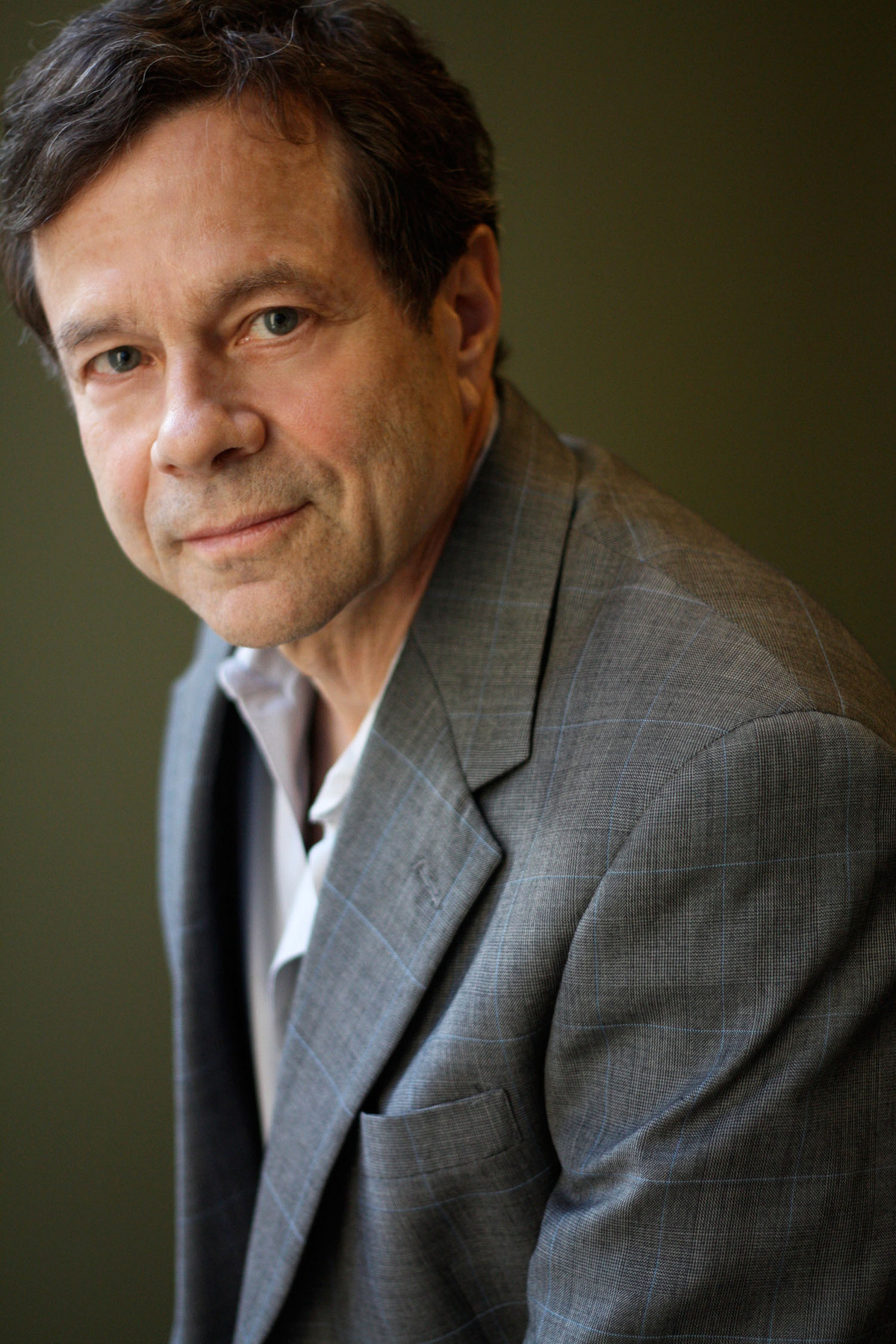
Alan Lightman
American physicist and writer
5
APPEARANCES
5
PODCASTS
Nov 16, 2026


Alan LightmanGUEST
Well, you mentioned that we, especially in the academic world, that we have created silos, especially in science.
Alan LightmanGUEST
The irony is that the creation of silos has been sort of an inevitable result of science becoming more and more specialized.
Alan LightmanGUEST
And the advancement of science is associated with the increasing specialization of And today, even biologists have trouble talking to physicists.
Amelia MercedHOST
I know you talk a little bit about it, but what do we lose when we maintain it?

Amelia MercedHOST
I know you talk a little bit about it, but what do we lose when we maintain it?
Alan LightmanGUEST
Well, if you go back to the first universities in Europe, I think the University of Bologna was one of the earliest.
Alan LightmanGUEST
The course of study was called the trivium, and then it became the quadrivium.
Alan LightmanGUEST
And I think that just as in science itself, the advance of knowledge inevitably created a specialization.
8 MINS LATER
speaker_4ADVERTISER
Shop Jared Jewelers.

Alan LightmanGUEST
Well, you mentioned that we, especially in the academic world, that we have created silos, especially in science.
Alan LightmanGUEST
The irony is that the creation of silos has been sort of an inevitable result of science becoming more and more specialized.
Alan LightmanGUEST
And the advancement of science is associated with the increasing specialization of And today, even biologists have trouble talking to physicists.
Amelia MercedHOST
I know you talk a little bit about it, but what do we lose when we maintain it?

Alan LightmanGUEST
Well, I, I don't think that he's wrong, but I think that the problem is philosophically...... more disturbing than what he is confessing.

Robert KrulwichHOST
He said, "Well, I, I think it's gonna be much harder than Brian thinks to actually sense or encounter or measure these other universes, if, if they exist at all."
Alan LightmanGUEST
We don't even know whether the other universes exist in the same space and time that we do.
Alan LightmanGUEST
And there are other physicists who feel that these universes are, e- even in principle never, never observable by us, that we will never be able to have any physical evidence of their existence.