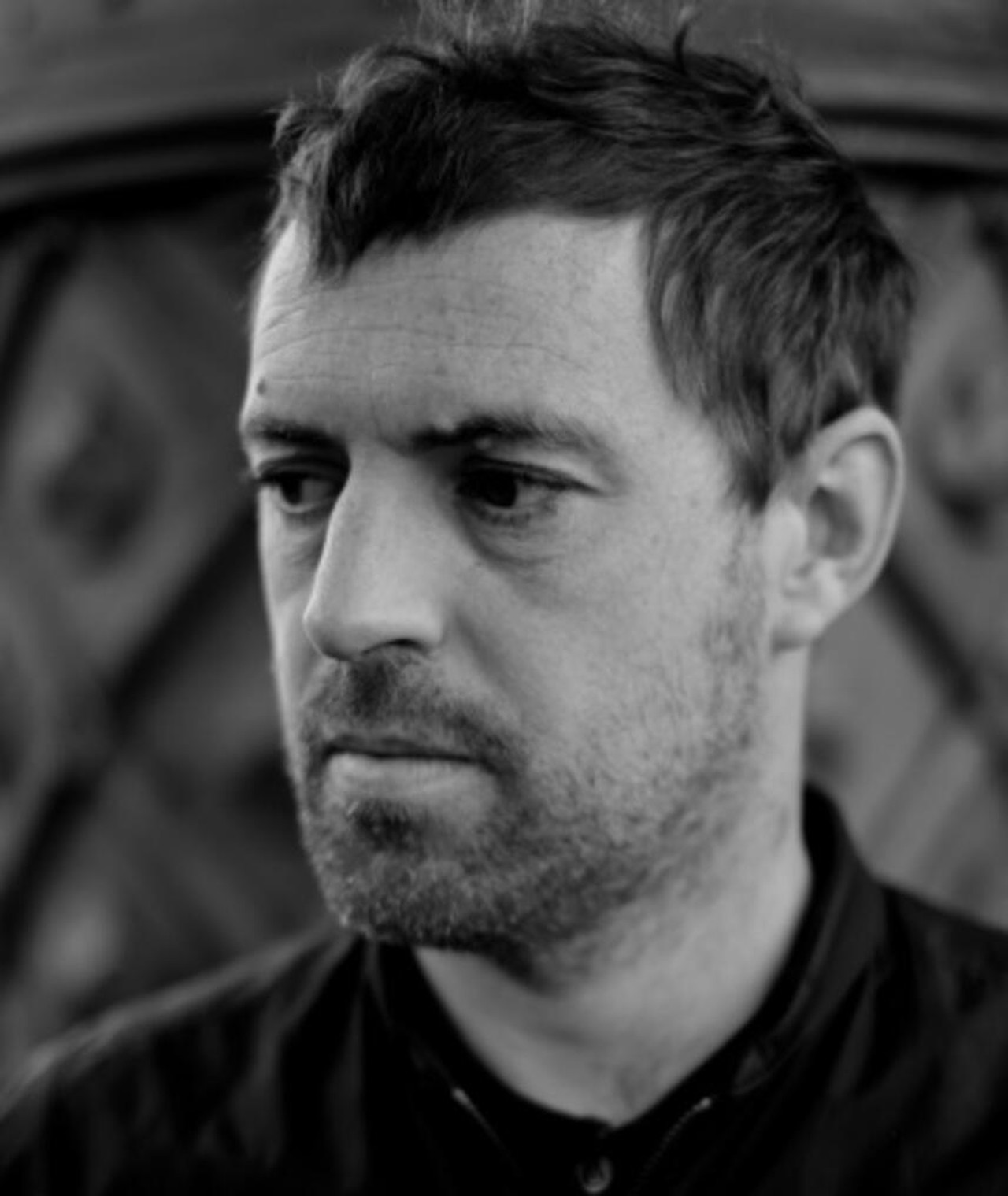
Adrian Duncan
Film director
2
APPEARANCES
2
PODCASTS
Sep 14, 2026


Adrian DuncanGUEST
Yeah, well, I suppose it was maybe four years ago I was reading Wittgenstein's Uncertainty.
Adrian DuncanGUEST
He started out as an engineer, as an aeronautic engineer, and then he switched into sort of philosophy of mathematics and then philosophy of language afterwards.
Adrian DuncanGUEST
And he wrote these two in his lifetime fascinating books with slightly completely different views of language.
Adrian DuncanGUEST
Anyway, I came across one of these smaller books that was translated by a woman called Elizabeth Anscombe, who's an Irish, she was born in Limerick, an Irish philosopher who studied in Oxford and then studied in Cambridge under Wittgenstein.
6 MINS LATER

Rick O'SheaHOST
I'm interested in what did a fictional portrayal of creating a character allow you to do that a historical novel or a biographical portrait wouldn't have?


Glenn FisherHOST
And I found a lot of experience with going, oh, that's a that's a good line like that's a good word yeah yeah yeah
Adrian DuncanGUEST
yeah and i believe actually that she some of the words are like historically correct and then some of them i think she's just made up as well and i absolutely i love that idea i absolutely love that idea that she's sitting there just having fun i was like oh i'll throw in this crazy word and sure who's going to really notice you know in the as they're reading it and scholars in the future of course will and there probably will be scholars in the future of our work but i think that's and that that's that's one thing that actually that i'm really interested in as well in terms of writers and particularly right of historical fiction, which you can kind of say, I suppose, like certainly some of those stories are, you know, historical fiction, certainly the one just after the war, is the way in which research is actually done and the way in which the research sort of then appears in the piece of fiction.
Adrian DuncanGUEST
So there's one I remember, like, so there's a writer called Marguerite Yourcenar.
Adrian DuncanGUEST
And it was kind of this, it was historically fiction, but it was written as a sort of a valedictory letter to his successor.
14 MINS LATER
Glenn FisherHOST
Well, yeah, just as I say, it's interesting to hear about those artistic decisions that people make, because when you are then on the other side of it, and to bring it back to Joe's short story, there's... those decisions that she's gone through and that decision to to name it this here and and to to be made to make another decision that in america and all this kind of it it's fascinating to me the infinite possibilities there but i think she does the more i think about it and even just having this conversation i think it's a very very effective and very so many books can easily be read enjoyed and then forgotten about but i think this will leave you just going oh i'm not quite