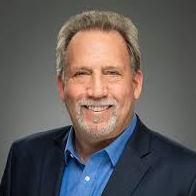
Aaron Feldman
Founding attorney at Feldman Law Group in Walnut Creek, CA, specializing in estate planning, probate, trusts, and special needs planning.
2
APPEARANCES
2
PODCASTS
Oct 12, 2026

Bill GrossHOST
Aaron, if you're representing one of, let's say, two parties who want to administer a probate and they're arguing over who gets to do it, they hate each other, they both think each other is going to cheat each other, how do you use the special administrator process to at least create enough cooperation so that both parties can at least get the authority to get the property under control and perhaps sell it and then argue over the money later but not face the consequences? clock of a foreclosure? How do you work with the other attorney and or the party to make that happen?

Aaron FeldmanGUEST
So first, when we're talking about multiple parties competing to have control of an estate as the administrator, we're talking about a family that there's not even a will.
Aaron FeldmanGUEST
Although even sometimes when there's a will, the people who were designated are also now gone.
Aaron FeldmanGUEST
And increasingly, what the court will want to do in that scenario is appoint a neutral private professional fiduciary to act as special administrator.
7 MINS LATER


Bill GrossHOST
They have to be able to go to an attorney, get the document prepared, and have the capacity to assent to the documents, but they may not, maybe they're blind or they're not able to physically provide for themselves for some other reason, but the mental capacity is what you're talking about when you say capacity.
Aaron FeldmanGUEST
Yes, I'm talking about just the same capacity we look to, for example, a client comes to us early stages of dementia maybe, but they still have the capacity to create an estate plan legally, because legal capacity is a whole different framework than medical determinations of capacity.
Aaron FeldmanGUEST
And that's ideally if we could have somebody with capacity create a self-settled trust, that's easiest.
Aaron FeldmanGUEST
If they can't, then we have to go through a very long process because they may have to be conserved because they don't have capacity to create those documents.
9 MINS LATER