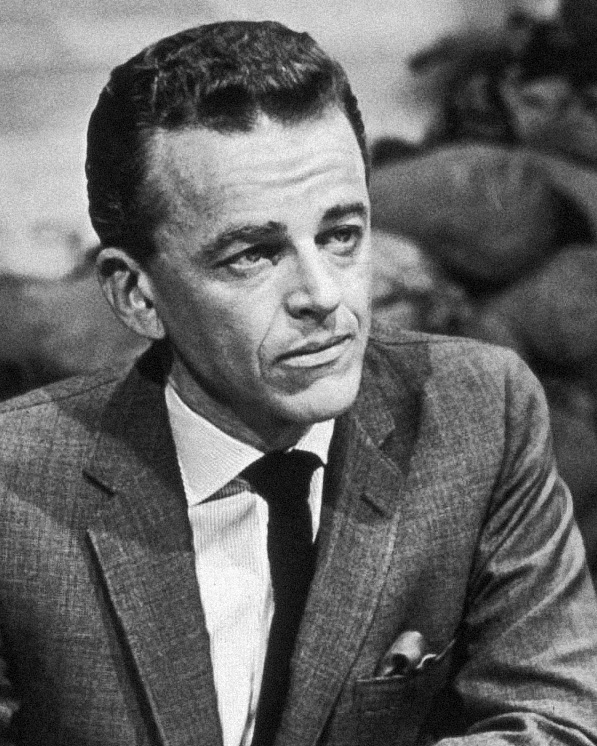
Alan Jay Lerner
American lyricist and librettist
6
APPEARANCES
3
PODCASTS
Jul 29, 2026


Jay LernerGUEST
Well, let's take a look at the holdings in the case, and I think, um, you know, that may, uh, shed some light on it.
Jay LernerGUEST
In Slaughter, the, uh, um, was the, uh, Federal Trade Commission, the FTC, as you mentioned, and it was a six-three decision based on ideological lines.
Jay LernerGUEST
The FTC, as you know, protects consumer, consumers against corporate interests and unfair trade practices.
Jay LernerGUEST
And Chief Justice Roberts wrote that it was really a legal interpretation of Article II of the Constitution, which states that, "The executive power shall be vested in a president of the United States of America." And so it gave broad powers to the president to remove officials at will, which is the legal term for really no due process, no notice or opportunity to be heard.
Jay LernerGUEST
This case, the Slaughter case, overruled a 90-year precedent of Humphrey, Humphrey's executor, where President Roosevelt, Franklin Roosevelt, tried to remove an FTC commissioner that had been appointed by the prior administration, President Hoover.
Jay LernerGUEST
And although Mr. Humphrey passed away before the litigation was completed, the estate, the executor, uh, filed suit for back pay.
6 MINS LATER

Terry GertonHOST
Do you see these cases as settling the question of agency independence, or are they more likely to trigger another round of litigation?

Jay LernerGUEST
Well, let's take a look at the holdings in the case, and I think, um, you know, that may, uh, shed some light on it.
Jay LernerGUEST
In Slaughter, the, um, was the, uh, Federal Trade Commission, the FTC, as you mentioned, and it was a six-three decision based on ideological lines.
Jay LernerGUEST
The FTC, as you know, protects consumer, consumers against corporate interests and unfair trade practices.
Jay LernerGUEST
And Chief Justice Roberts wrote that it was really a legal interpretation of Article 2 of the Constitution, which states that the executive power shall be vested in a president of the United States of America.
Jay LernerGUEST
And so it gave broad powers to the president to remove officials at will, which is the legal term for really no due process, no notice or opportunity to be heard.
Jay LernerGUEST
This case, the Slaughter case overruled a 90-year precedent of Humphrey, Humphrey's executor, where President Roosevelt, Franklin Roosevelt, tried to remove an FTC commissioner that had been appointed by the prior administration, President Hoover.
6 MINS LATER
Terry GertonHOST
Do you see these cases as settling the question of agency independence, or are they more likely to trigger another round of litigation?


Bryant SalcedoHOST
I want to pick your brains, but like back, back to like, you know, just building urban, like you've built one of the best known pickleball communities, not even in Austin, just like I mean, it's mainly in the, in the U S it's becoming global, but let's just say globally, like when you look at paddle right now, the game, like what we've kind of touched on it a bit, but top of mind, what stands out to you the most in like the trajectory that it's on?

Jay LernerGUEST
What I always found interesting was A year or two ago, there were 800 paddle courts in the US.
19 MINS LATER

Jay LernerGUEST
The damage, the property damage to a vehicle does not directly correlate to the damage to an individual, to your physical being.
Jay LernerGUEST
You have to understand there's, you know, 2,000 pound, approximately 2,000 pound vehicle, sometimes more, that are colliding at a certain velocity and that some are built differently obviously they can withstand that that physical damage to that property but all of that inertia all that all that energy is being translated if you're not seeing it on the body of a vehicle it's translated into the interior and the soft tissues of the individual or individuals that are inhabiting that car or that truck, that vehicle.

Darrell BurrowHOST
you've mentioned that as a hindrance to recovery what about stress or anxiety or the fear responses in the body that people go out especially after a wreck that that people experience
Jay LernerGUEST
today?Well, as you mentioned, I retired in 2023, so I've been out for a little bit.
Jay LernerGUEST
Um, I now teach a course at George Washington University on oversight and accountability, and the way I've sort of structured that course, um, being a lawyer, is, uh, along the lines of the Constitution, the first three articles of the Constitution, which includes the legislative branch, the executive branch, and the judiciary branch.
Jay LernerGUEST
Um, and they all have important roles in the checks and balances within the government, uh, really, uh, checking the executive powers.
Jay LernerGUEST
Uh, so if you think of the legislative branch, they have the standing committees, appropriations, the, uh, Government Accountability Office, even things like the Congressional Budget Office or the Congressional Research Service.
Jay LernerGUEST
Within the executive branch is where the IGs fit in, and there's also whistleblowers within the executive branch.
Jay LernerGUEST
There's, uh, the Office of Special Counsel, which protects whistleblowers, the Office of Government Ethics, uh, looking at ethics issues, and then, of course, the judiciary, the, uh, courts, and lawyers as well.
Terry GertonHOST
What is CIGIE? Why is it so important to this community, and what's its current status?
Jay LernerGUEST
Um, I now teach a course at George Washington University on oversight and accountability, and the way I've sort of structured that course, um, being a lawyer, is, uh, along the lines of the Constitution, the first three articles of the Constitution, which includes the legislative branch, the executive branch, and the judiciary branch, um, and they all have important roles in the checks and balances within the government, uh, really, uh, checking the executive powers.
Jay LernerGUEST
Uh, so if you think of the legislative branch, they have the standing committees, appropriations, the, uh, Government Accountability Office, even things like the Congressional Budget Office or the Congressional Research Service.
Jay LernerGUEST
Within the executive branch is where the IGs fit in, and there's also whistleblowers within the executive branch.
Jay LernerGUEST
There's, uh, the Office of Special Counsel, which protects whistleblowers, the Office of Government Ethics, uh, looking at ethics issues, and then, of course, the judiciary, the, uh, courts and lawyers as well.
Jay LernerGUEST
And I add even a fourth branch, the fourth estate, if you will, the press and the media, as investigative journalists and think tanks and non-governmental organizations provide very important oversight of the executive branch.
Terry GertonHOST
What is CIGIE? Why is it so important to this community, and what's its current status?