
Sheen Beatified!
Sep 25, 2026 · 48 min · 9 segments
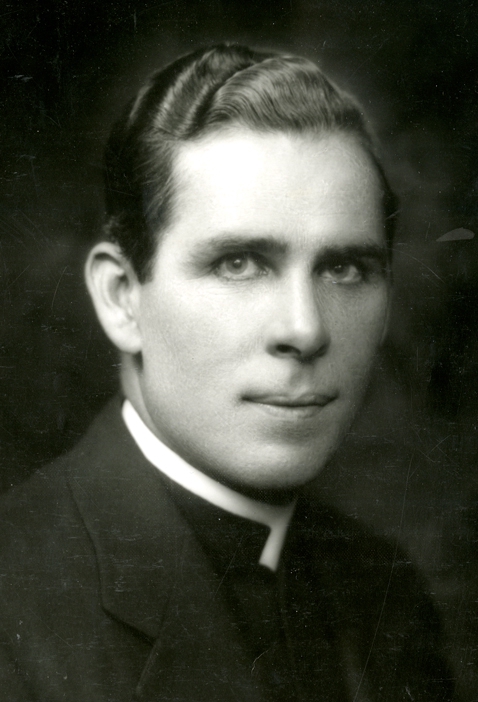
Fr. Gerald Murray and Robert Royal join us for a very special edition of The World Over from St. Louis, Missouri on the occasion of the Beatification of Archbishop Fulton J. Sheen.
Sep 25, 2026 · 48 min · 9 segments
Fr. Gerald Murray and Robert Royal join us for a very special edition of The World Over from St. Louis, Missouri on the occasion of the Beatification of Archbishop Fulton J. Sheen.
 Raymond ArroyoHost
 Robert RoyalPanelistRose Marie Hollinger CostelloGuest
 Robert BarronGuest
 Gerald MurrayPanelistAlexis Walker SteenGuest
 Jason GrayGuestJohn Anthony BoughtonGuestJerry KearnsGuest
He was a very holy man, but he was holy in his vocation, which was to become a priest and then a bishop.
And in addition to that, he was a professor, he was an author, he was a radio personality, and a television personality, a retreat master, uh, brought many converts into the Church.
In other words, he lived the mission that Christ gave to the apostles to go out, to preach to the world, and to baptize all nations.

And, and I mean, after 20 years, we should say, teaching philosophy, he then, armed with really nothing but a zucchetto, a cape, a chalkboard, and a statue of the Blessed Mother, went up against Milton Berle on Tuesday nights.
A year later, Sheen beats Lucille Ball, Edward R. Murrow, Jimmy Durante for the Emmy, and he'd go toe-to-toe with Sinatra, who, by the way, he removed from television.
[laughs] So my question is, what was it about that moment of American culture and Sheen himself, Bob, that allowed him to compete with and really outgun some of the biggest names of the day?

He received the highest award you could get for your dissertation, which is, was the Mercier Prize, and he was primed to be an academic.
He had offers from Columbia University and from Oxford to teach, but his bishop made him go back to El- to, uh, uh, Illinois and spend a year as a priest just to show that he was still humble enough to listen to a bishop.
So I think that that, right away, shows us that as, as great an intellect as he was, he was, first of all, a churchman.
And I think, in particular, the reason that he, he became so prominent in the, among Catholics and non-Catholics after World War II is that people were looking for something solid.
It, it hadn't yet gone into the cultural spiral that we have today, but he knew that that was coming.
And he knew that the Catholic Church was the only institution that was capable of bringing America back from the brink.
And he had that very, very rare gift, I can tell you this from experience, of being an academic who could also speak to people wherever they-


He was a very holy man, but he was holy in his vocation, which was to become a priest and then a bishop.
And in addition to that, he was a professor, he was an author, he was a radio personality, and a television personality, a retreat master, uh, brought many converts into the Church.
In other words, he lived the mission that Christ gave to the apostles to go out, to preach to the world, and to baptize all nations.
And, and I mean, after 20 years, we should say, teaching philosophy, he then, armed with really nothing but a zucchetto, a cape, a chalkboard, and a statue of the Blessed Mother, went up against Milton Berle on Tuesday nights.
A year later, Sheen beats Lucille Ball, Edward R. Murrow, Jimmy Durante for the Emmy, and he'd go toe-to-toe with Sinatra, who, by the way, he removed from television.
[laughs] So my question is, what was it about that moment of American culture and Sheen himself, Bob, that allowed him to compete with and really outgun some of the biggest names of the day?
He received the highest award you could get for your dissertation, which is, was the Mercier Prize, and he was primed to be an academic.
He had offers from Columbia University and from Oxford to teach, but his bishop made him go back to El- to, uh, uh, Illinois and spend a year as a priest just to show that he was still humble enough to listen to a bishop.
So I think that that, right away, shows us that as, as great an intellect as he was, he was, first of all, a churchman.
And I think, in particular, the reason that he, he became so prominent in the, among Catholics and non-Catholics after World War II is that people were looking for something solid.
It, it hadn't yet gone into the cultural spiral that we have today, but he knew that that was coming.
And he knew that the Catholic Church was the only institution that was capable of bringing America back from the brink.
And he had that very, very rare gift, I can tell you this from experience, of being an academic who could also speak to people wherever they-
The rest of this transcript — segmented and speaker-labeled, so you land on the exact moment something was said
Search every transcript — by keyword, by phrase, or by meaning, across every show Radar indexes
Trends — what is surging across podcasts, measured against its own baseline
Alerts — when a name you follow appears in a newly indexed episode
No account is needed to search Radar.