Sep 15, 2026 · 1 hr 2 min · 12 segments
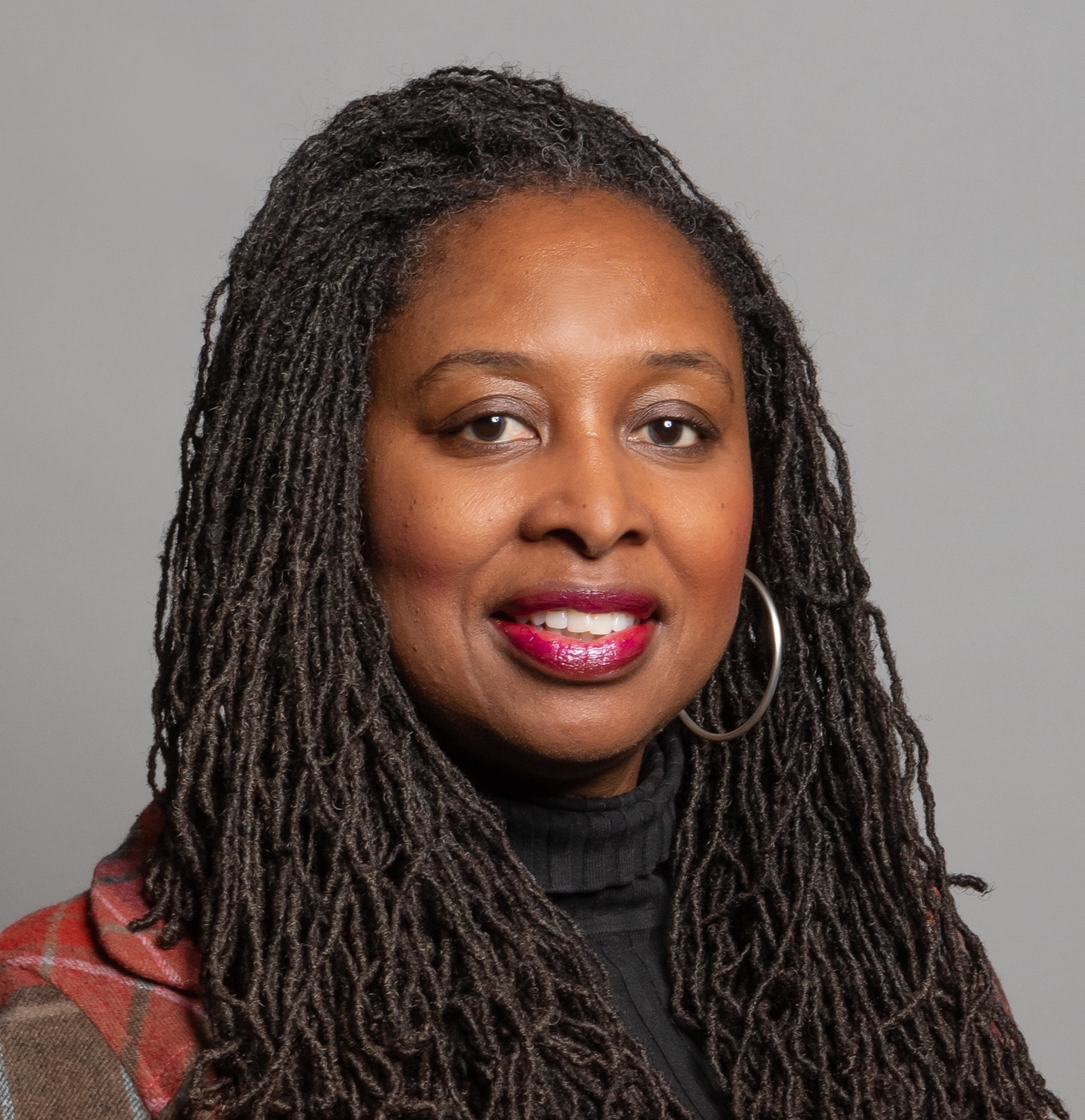
Ally Fogg is one of a handful of veteran men and boys advocates in the UK, who for decades has been banging the drum for men's health and wellbeing, as a journalist, a campaigner, a chair, a public…
Ally FoggGuestGeorgeHostYou mentioned you wanted your son to have a good education and live a happy life like any good dad would.
But I would just love a literal answer to that.
What sort of education or health outcomes could a boy born at that time expect? What is the reality of a boy, of your son? What sort of education would he have gotten, could he expect? What I was worried about was their

To a certain extent, their behaviour was And I think looking now at the statistics around men and boys and the outcomes of boys, I'm much more conscious of how they interact with other factors, whether that's issues of race and culture and those kind of things, or much more importantly, issues of social marginalization and exclusion.

So if you're from a family, if you're a boy whose dad is in prison, Your prospects are just a fraction of the hopes that my son has had.

Likewise, if you live through family breakdown, and that makes an enormous difference to kids' upbringing.

Of course, to make a political point out of that, you cannot legislate for couples to be happy and to stay together.

But what we could do a lot more of is much greater support to the kids that don't have those advantages at home.
I guess what I'm getting at, what is the experience of an average boy in the UK in education? What sort of outcomes can he expect to have?

So if you look at kids that are being excluded from schools, if you look at the kids that are leaving without any qualifications at all, boy aged 16 to 20, or boy or young man aged 16 to 24, is about 50% more likely to be unemployed and not in education, employment or training than his female peer.
And it's catastrophic because apart from anything else, it's almost

to criminalization, to gang involvement, to social marginalization, to homelessness, to prison, and all of those beating into each other as well.

And then when you look at the statistics for how many men are in prison compared to how many women, how many men are rough sleeping compared to women, those horrific figures, those are directly related to what's happening at the ages of 14, 15, 16 kids leaving school.

The overwhelming majority of people in prison have got vast amounts of adverse childhood experiences.
You mentioned you wanted your son to have a good education and live a happy life like any good dad would.
But I would just love a literal answer to that.
What sort of education or health outcomes could a boy born at that time expect? What is the reality of a boy, of your son? What sort of education would he have gotten, could he expect? What I was worried about was their

To a certain extent, their behaviour was And I think looking now at the statistics around men and boys and the outcomes of boys, I'm much more conscious of how they interact with other factors, whether that's issues of race and culture and those kind of things, or much more importantly, issues of social marginalization and exclusion.

So if you're from a family, if you're a boy whose dad is in prison, Your prospects are just a fraction of the hopes that my son has had.

Likewise, if you live through family breakdown, and that makes an enormous difference to kids' upbringing.

Of course, to make a political point out of that, you cannot legislate for couples to be happy and to stay together.

But what we could do a lot more of is much greater support to the kids that don't have those advantages at home.
I guess what I'm getting at, what is the experience of an average boy in the UK in education? What sort of outcomes can he expect to have?

So if you look at kids that are being excluded from schools, if you look at the kids that are leaving without any qualifications at all, boy aged 16 to 20, or boy or young man aged 16 to 24, is about 50% more likely to be unemployed and not in education, employment or training than his female peer.
And it's catastrophic because apart from anything else, it's almost

to criminalization, to gang involvement, to social marginalization, to homelessness, to prison, and all of those beating into each other as well.

And then when you look at the statistics for how many men are in prison compared to how many women, how many men are rough sleeping compared to women, those horrific figures, those are directly related to what's happening at the ages of 14, 15, 16 kids leaving school.

The overwhelming majority of people in prison have got vast amounts of adverse childhood experiences.
The rest of this transcript — segmented and speaker-labeled, so you land on the exact moment something was said
Search every transcript — by keyword, by phrase, or by meaning, across every show Radar indexes
Trends — what is surging across podcasts, measured against its own baseline
Alerts — when a name you follow appears in a newly indexed episode
No account is needed to search Radar.