Jul 7, 2026 · 45 min · 11 segments
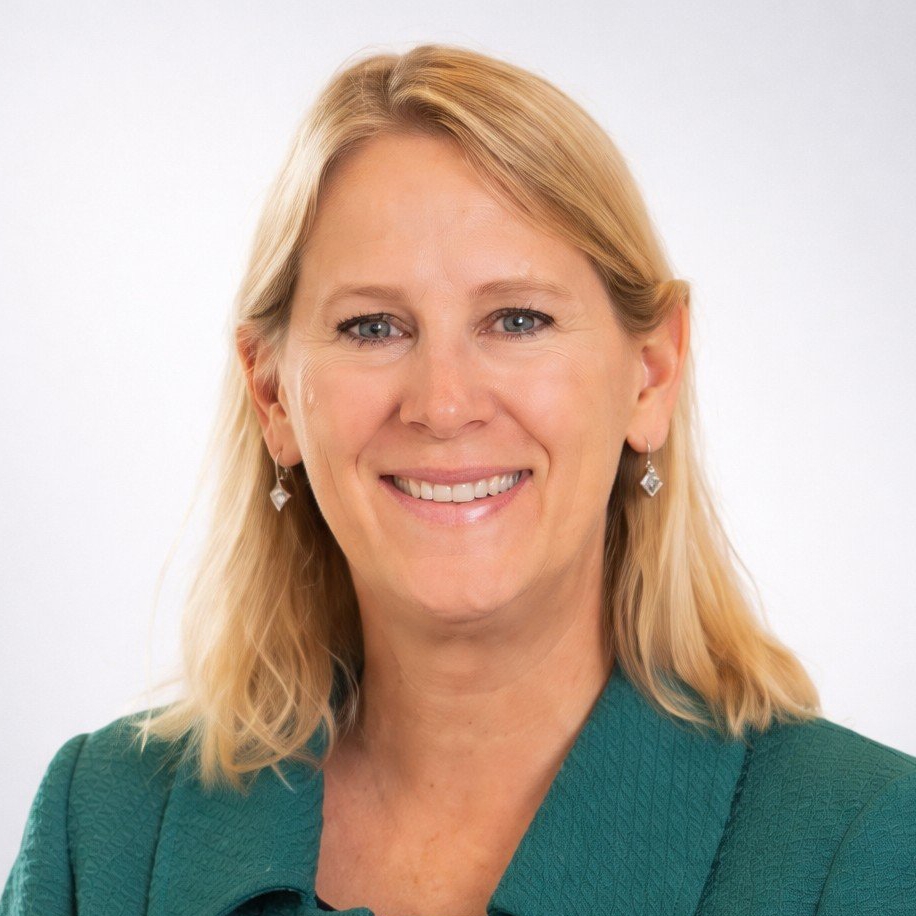
Susan Lintonsmith has built a career by saying yes to opportunities that stretched her leadership. From marketing roles at Pizza Hut and Coca-Cola to leading Quiznos as CEO and now serving as…
Susan LintonsmithGuestJulie WilliamsonHostI do think that when we talk about the failure gap and being stuck between agreeing that something is a good idea and getting aligned and doing it, One of the things that Kerrigan's group that we do a lot of work with is enterprise level leaders who need to be better at seeing the whole picture.
And I feel like there's a lot of agreement amongst people in the workplace that they want that next promotion where they want the title or they want to move into the responsibility, but they're very attached to their expertise.
So whether they're marketing or finance or product or engineering or They are proud of that and they are energized by it.
So they agree that they want to be in an enterprise leadership role, but they might not be getting aligned to doing the work that it takes to contribute at an enterprise level.
And I'm curious for you as you've stepped into CEO types of roles or watched as a board member, other organizations struggle with this idea of enterprise leadership and the failure gap that sometimes comes with it.
What have you observed from people who are trying to make that step up, whether it's into the CEO role or even just a C-suite role or a more enterprise-minded role? What gets in the way and what helps people to make that move in their career?

I think what gets in the way is staying in that silo and only thinking about your specific area.

I think the people who are going to be more successful at the C-level, higher CEO level, are those who know how to work well across and can think through what impact does this initiative that I'm leading have on all aspects of the business.

And those leaders who can think from A to Z very quickly, if this happens, what's the impact on, let's just say, labor? This might be a great idea.

Can we do it on labor? And what impact would that have on profitability? If we do this idea, what impact does it have on all of the different areas? And for me, it's all within the four walls, right? I've spent a lot of my career in more retail, whether it's restaurants or it's services, but it's within the four walls where you rely on the team that is really the face to the customer or to the guest.

might make sense logically, but being able to think through all the way to the end on, okay, but does that person have the capability, the time, all of that, the training to be able to execute successfully? And if they can, can that be done consistently across every single location? Because a lot of what I've worked on are chains, national brands, global brands.

So being able to really think through that, I think that's a real big success.
And I think it's not having to have all of the answers necessarily, but having being able and willing to ask all of the questions.

And being, you know, really intellectually curious to think it through or to think bigger or whatever else.

Those are all factors that I don't know about every single CEO or decision maker or board, but that's something that I'll notice is when somebody can speak beyond just their functional expertise.
Yeah, that curiosity is so important, I find, with leaders who want to be in that enterprise space.
And so it feels like a very natural connection to you to be in that enterprise leadership space.
But I think a lot of people need to challenge themselves around that and say, how am I being curious about learning? other parts of the business just so I can learn.
I do think that when we talk about the failure gap and being stuck between agreeing that something is a good idea and getting aligned and doing it, One of the things that Kerrigan's group that we do a lot of work with is enterprise level leaders who need to be better at seeing the whole picture.
And I feel like there's a lot of agreement amongst people in the workplace that they want that next promotion where they want the title or they want to move into the responsibility, but they're very attached to their expertise.
So whether they're marketing or finance or product or engineering or They are proud of that and they are energized by it.
So they agree that they want to be in an enterprise leadership role, but they might not be getting aligned to doing the work that it takes to contribute at an enterprise level.
And I'm curious for you as you've stepped into CEO types of roles or watched as a board member, other organizations struggle with this idea of enterprise leadership and the failure gap that sometimes comes with it.
What have you observed from people who are trying to make that step up, whether it's into the CEO role or even just a C-suite role or a more enterprise-minded role? What gets in the way and what helps people to make that move in their career?

I think what gets in the way is staying in that silo and only thinking about your specific area.

I think the people who are going to be more successful at the C-level, higher CEO level, are those who know how to work well across and can think through what impact does this initiative that I'm leading have on all aspects of the business.

And those leaders who can think from A to Z very quickly, if this happens, what's the impact on, let's just say, labor? This might be a great idea.

Can we do it on labor? And what impact would that have on profitability? If we do this idea, what impact does it have on all of the different areas? And for me, it's all within the four walls, right? I've spent a lot of my career in more retail, whether it's restaurants or it's services, but it's within the four walls where you rely on the team that is really the face to the customer or to the guest.

might make sense logically, but being able to think through all the way to the end on, okay, but does that person have the capability, the time, all of that, the training to be able to execute successfully? And if they can, can that be done consistently across every single location? Because a lot of what I've worked on are chains, national brands, global brands.

So being able to really think through that, I think that's a real big success.
And I think it's not having to have all of the answers necessarily, but having being able and willing to ask all of the questions.

And being, you know, really intellectually curious to think it through or to think bigger or whatever else.

Those are all factors that I don't know about every single CEO or decision maker or board, but that's something that I'll notice is when somebody can speak beyond just their functional expertise.
Yeah, that curiosity is so important, I find, with leaders who want to be in that enterprise space.
And so it feels like a very natural connection to you to be in that enterprise leadership space.
But I think a lot of people need to challenge themselves around that and say, how am I being curious about learning? other parts of the business just so I can learn.
The rest of this transcript — segmented and speaker-labeled, so you land on the exact moment something was said
Search every transcript — by keyword, by phrase, or by meaning, across every show Radar indexes
Trends — what is surging across podcasts, measured against its own baseline
Alerts — when a name you follow appears in a newly indexed episode
No account is needed to search Radar.