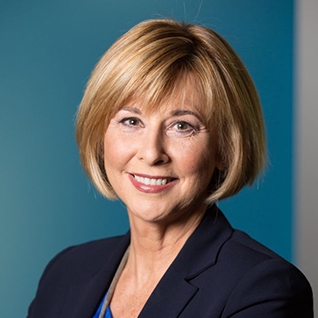
S13 Ep07 | Jeff Green | Why Does Bible Translation Matter?
Jun 2, 2026 · 37 min · 12 segments
In this episode of Scripture Untangled, seasoned journalist Lorna Dueck speaks with Dr. Jeff Green, CBS Vice President of Scripture Translation about Bible translation, Indigenous languages, and the…
In this episode of Scripture Untangled, seasoned journalist Lorna Dueck speaks with Dr. Jeff Green, CBS Vice President of Scripture Translation about Bible translation, Indigenous languages, and the way Scripture in your heart language inspires hope, strengthens identity, and deepens faith. In this episode, Jeff and Lorna discuss: **Jeff’s journey from a church-rooted upbringing** and studying math at Waterloo to discovering Biblical languages and Bible translation as his life’s work. - **Why heart language matters,** and why people need Scripture in the language that speaks most deeply to them, not just one they can partially understand. - **How the Canadian Bible Society works alongside Indigenous communities** under local leadership to support Scripture translation in heritage languages. - **The healing and hope of Scripture in Indigenous languages**: language loss, revival, community restoration, and the powerful truth that “God speaks my language.” - **Why Bible translation is not solo work**, but involves church leaders, translators, reviewers, and whole communities. Read the transcript: https://biblesociety.ca/transcript-scripture-untangled-s13-ep7 ===== Jeff has been involved in Bible translation since 2001. He and his family spent 11 years in East Asia, where he served with Wycliffe/Summer Institute of Linguistics in a Bible translation project and in many other roles. He helped his colleagues with their linguistic analysis and Bible translation work as a linguistics consultant and a translation consultant. He taught linguistics at both the undergraduate and graduate levels for Canada Institute of Linguistics in Langley, BC and as part of their partnership with Tyndale University College in Toronto, ON, and for Payap University in Chiang Mai, Thailand. His leadership experience includes serving as Language and Culture Learning Coordinator and as the coordinator of a Bible translation community of practice focused on the Himalayan region. Since joining CBS, Jeff has been a translation consultant on projects in Plains Cree, Iñupiatun, Inuinnaqtun, Inuktitut, Mohawk, Blackfoot, Kwak’wala, and Punjabi. He supports the wider Bible translation movement by serving as Managing Editor of The Bible Translator journal and as an Academic Mentor in the Master of Arts in Translation of Scripture program at Northwest Seminary and Canada Institute of Linguistics. He enjoys teaching others the things he’s had the opportunity to learn and helping others with the technical aspects of Bible translation work. Jeff earned a Doctor of Ministry degree in Bible Translation from Gordon-Conwell Theological Seminary in Massachusetts. He and his family live in Oshawa, ON. Learn more about Indigenous translations - https://biblesociety.ca/project/canada-indigenous-languages-bible-translation/ - Canadian Bible Society: biblesociety.ca - Help people hear God speak: biblesociety.ca/donate - Connect with us on Instagram: @canadianbiblesociety - The Bible Course: biblecourse.ca
In this episode of Scripture Untangled, seasoned journalist Lorna Dueck speaks with Dr. Jeff Green, CBS Vice President of Scripture Translation about Bible translation, Indigenous languages, and the…