Sep 21, 2026 · 22 min · 9 segments
Europe argued back this week. Goldman Sachs closed $11.7 billion across its latest private equity funds, sized deliberately so its targets stay affordable for strategic buyers. Mistral and other…
It does.
And the standout data point from our sources on this comes from Goldman Sachs Alternatives.
They just recently announced the final close of their West Street Capital Partners NAACS fund.
OK.
And including its related vehicles, so like an Asia-focused sister fund and some co-investment pools, they raised a total of $11.7 billion.
I mean, a fund of that size is definitely notable, but I think the most telling part of this source material is the really strict parameters they are placing on how they actually spend it.
Yeah, absolutely.
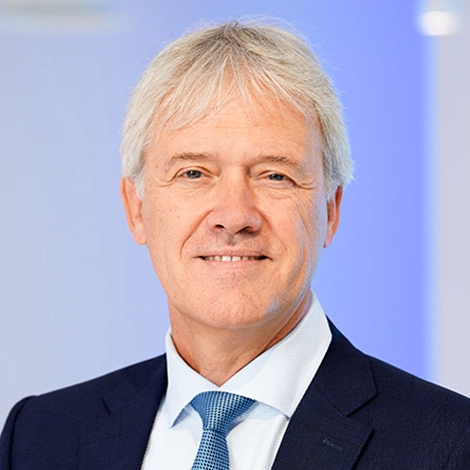
Michael Bruhn, he is the global co-head of private equity for Goldman.
he outlined this highly specific targeting approach.
Right.
They are looking exclusively to buy companies that have an enterprise value between $500 million and $3 billion.
Let's break down that metric for a second, because people often look at market capitalization, which is just The share price multiplied by the number of shares.
Yeah.
Basic calculation.
Right.
But enterprise value, it paints a much fuller picture.
Yeah.
Because it factors in the company's total debt and then subtracts its cash.
So it is essentially the true comprehensive cost of taking over a business lock, stock and barrel.
And that comprehensive cost is the entire focus of their strategy here.
I mean, in private equity, buying a company is kind of the easy part.
Right.
The actual business model relies on the exit, you know, selling the company a few years later at a premium to actually generate returns for your limited partners.
Yeah.
And historically, like the most lucrative exit path was always the initial public offering.
It does.
And the standout data point from our sources on this comes from Goldman Sachs Alternatives.
They just recently announced the final close of their West Street Capital Partners NAACS fund.
OK.
And including its related vehicles, so like an Asia-focused sister fund and some co-investment pools, they raised a total of $11.7 billion.
I mean, a fund of that size is definitely notable, but I think the most telling part of this source material is the really strict parameters they are placing on how they actually spend it.
Yeah, absolutely.
Michael Bruhn, he is the global co-head of private equity for Goldman.
he outlined this highly specific targeting approach.
Right.
They are looking exclusively to buy companies that have an enterprise value between $500 million and $3 billion.
Let's break down that metric for a second, because people often look at market capitalization, which is just The share price multiplied by the number of shares.
Yeah.
Basic calculation.
Right.
But enterprise value, it paints a much fuller picture.
Yeah.
Because it factors in the company's total debt and then subtracts its cash.
So it is essentially the true comprehensive cost of taking over a business lock, stock and barrel.
And that comprehensive cost is the entire focus of their strategy here.
I mean, in private equity, buying a company is kind of the easy part.
Right.
The actual business model relies on the exit, you know, selling the company a few years later at a premium to actually generate returns for your limited partners.
Yeah.
And historically, like the most lucrative exit path was always the initial public offering.
The rest of this transcript — segmented and speaker-labeled, so you land on the exact moment something was said
Search every transcript — by keyword, by phrase, or by meaning, across every show Radar indexes
Trends — what is surging across podcasts, measured against its own baseline
Alerts — when a name you follow appears in a newly indexed episode
No account is needed to search Radar.