Reflections on the Daily "Hayom Yom"
Sep 2, 2026 · 3 min · 1 segments
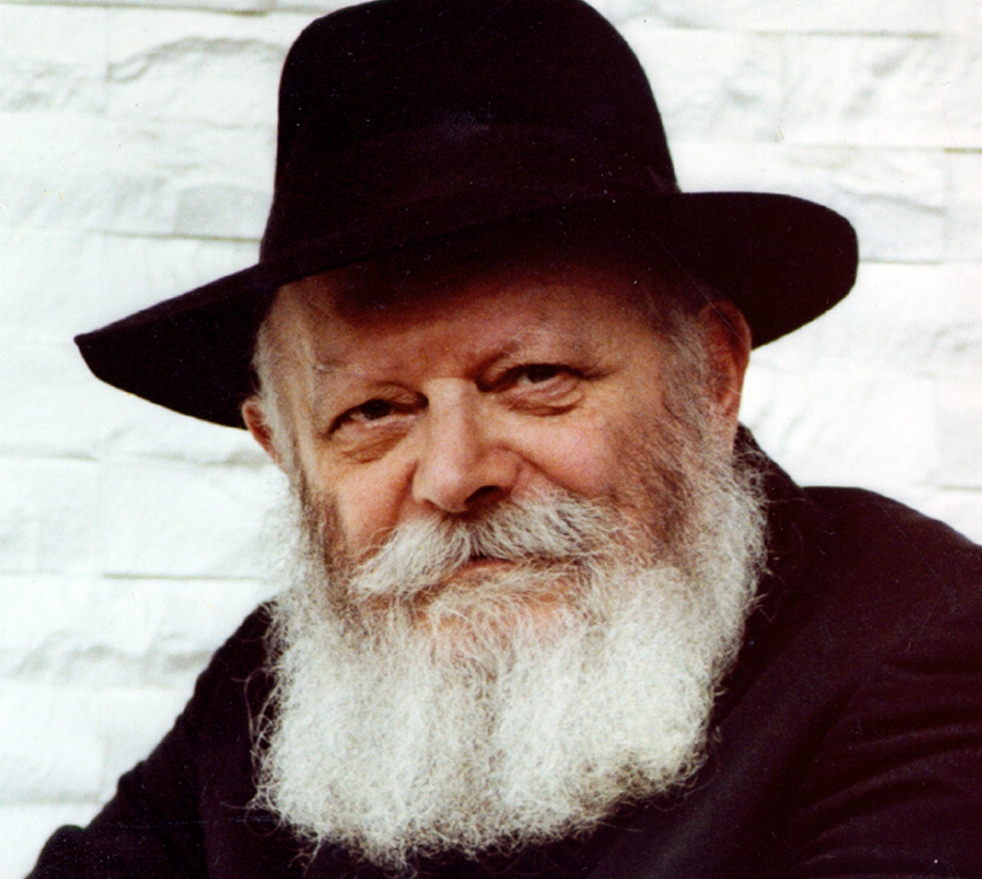
Study the daily entries of "Hayom Yom," a book of short daily insights which was compiled by the Rebbe, Rabbi Menachem M. Schneerson, of righteous memory, in 1942.
I'm sure this has happened to you before.
You notice somebody doing something so out of line, so inappropriate.
And you think to yourself, if this person is going to go ahead and do this inappropriate thing, then at least they should be embarrassed.
At least they should be ashamed.
How do they have the chutzpah to just do this out in the open? Now, Trez HaYom Yoim, which I believe is the shortest entry of the entire volume, the entire book, I think provides the answer to this question.
It says, Trez HaYom Yoim, A person, one who is lowly and crass, does not sense his own crassness and lowliness.
So people are blind when it comes to themselves.
They don't see themselves in a balanced, objective way.
So people can go ahead and do the most outrageous things and not even realize how out of line they are, not even realize that there is anything for them to be ashamed of in the first place.
Okay, so is today's Hayim Yim just about other people's crassness or other people's lowliness? Of course not.
Now you've got to turn it inwards and realize that the same is true about me.
Right? Just like the other guy can be up to no good and really not even be aware of the problem, the same thing holds true for me.
So what am I going to do about that? That's why it's important to have somebody that is a mentor, somebody that is not you, that cares about you, that you trust.
that you consult with and say, hey, I'm about to do something.
Am I at a line? Is this the right thing to do? You cannot be your own judge because you are blind to your own problems.
It's got to be somebody else that you are able to have enough humility to consult with and then enough discipline to listen to.
And when you do that, then you can climb out of that lowliness and become high.
High in a good way.
High and elevated.
Read the full transcript.
Create an account to read the whole episode, search across every transcript, and follow the shows you care about.
I'm sure this has happened to you before.
You notice somebody doing something so out of line, so inappropriate.
And you think to yourself, if this person is going to go ahead and do this inappropriate thing, then at least they should be embarrassed.
At least they should be ashamed.
How do they have the chutzpah to just do this out in the open? Now, Trez HaYom Yoim, which I believe is the shortest entry of the entire volume, the entire book, I think provides the answer to this question.
It says, Trez HaYom Yoim, A person, one who is lowly and crass, does not sense his own crassness and lowliness.
So people are blind when it comes to themselves.
They don't see themselves in a balanced, objective way.
So people can go ahead and do the most outrageous things and not even realize how out of line they are, not even realize that there is anything for them to be ashamed of in the first place.
Okay, so is today's Hayim Yim just about other people's crassness or other people's lowliness? Of course not.
Now you've got to turn it inwards and realize that the same is true about me.
Right? Just like the other guy can be up to no good and really not even be aware of the problem, the same thing holds true for me.
So what am I going to do about that? That's why it's important to have somebody that is a mentor, somebody that is not you, that cares about you, that you trust.
that you consult with and say, hey, I'm about to do something.
Am I at a line? Is this the right thing to do? You cannot be your own judge because you are blind to your own problems.
It's got to be somebody else that you are able to have enough humility to consult with and then enough discipline to listen to.
And when you do that, then you can climb out of that lowliness and become high.
High in a good way.
High and elevated.