Oct 7, 2026 · 53 min · 32 segments
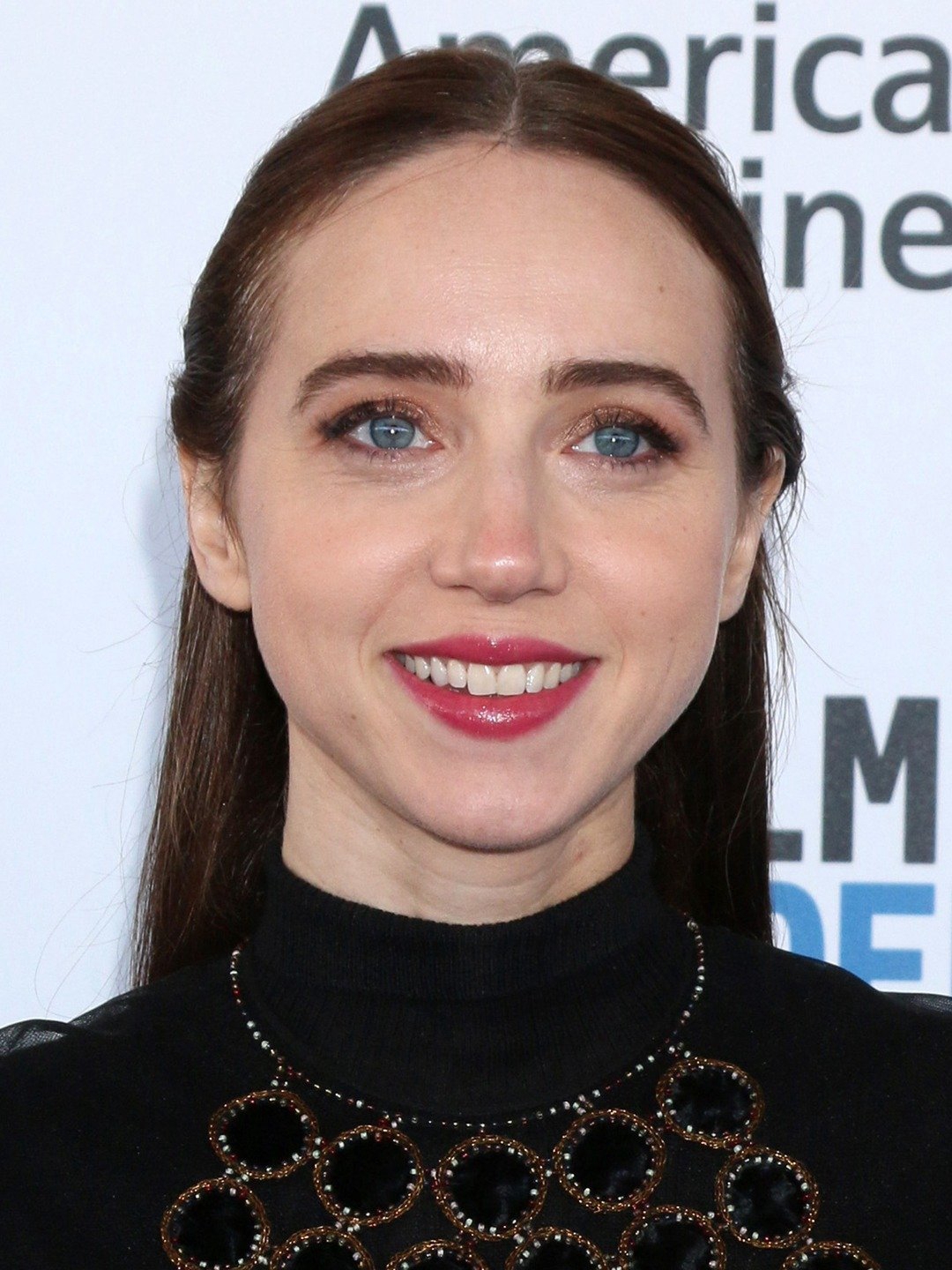
Actress, screenwriter, and playwright Zoe Kazan joins this episode of Prose Society to discuss her Netflix adaptation of John Steinbeck's *East of Eden* — a project six years in the making. Zoe shares…

I think a lot of people hear the word, like, adaptation, and they don't really know what goes into that.

Can you talk to me from, like, day one we have this idea, like, I'm going to adapt this to today.

Imagine you've been given seven note cards, like index cards, and they're frames, and you can frame seven little index card sizes of the painting, and, like, what you choose is gonna be different from what I choose.

But, like, what else do you include, and what are you omitting? And then that makes a new picture, and it's related to the original, but it's not the original.

Like, the way that you read East of Eden is gonna be different than how I read East of Eden, like, because of everything that we're bringing to the page, right? And then also, like our viewpoint, our imaginations, our creativity.

Like, a novelist can bring you so deep into someone's head, it can like, a novelist can describe an apple on the table for 20 pages and you can learn everything about a character through the way that they're looking at that apple, right? In drama, like you have to have- you have to tell everything through dialogue and picture and performance.

And so there's just a, there's like, it's, it's almost like a translation or something.

I spent like a long time combing through and being like, "Okay, this piece of dialogue has to be in this scene, this moment." And then I had split it into these different parts and like I knew that each part also had to be about something.

I think a lot of people hear the word, like, adaptation, and they don't really know what goes into that.

Can you talk to me from, like, day one we have this idea, like, I'm going to adapt this to today.

Imagine you've been given seven note cards, like index cards, and they're frames, and you can frame seven little index card sizes of the painting, and, like, what you choose is gonna be different from what I choose.

But, like, what else do you include, and what are you omitting? And then that makes a new picture, and it's related to the original, but it's not the original.

Like, the way that you read East of Eden is gonna be different than how I read East of Eden, like, because of everything that we're bringing to the page, right? And then also, like our viewpoint, our imaginations, our creativity.

Like, a novelist can bring you so deep into someone's head, it can like, a novelist can describe an apple on the table for 20 pages and you can learn everything about a character through the way that they're looking at that apple, right? In drama, like you have to have- you have to tell everything through dialogue and picture and performance.

And so there's just a, there's like, it's, it's almost like a translation or something.

I spent like a long time combing through and being like, "Okay, this piece of dialogue has to be in this scene, this moment." And then I had split it into these different parts and like I knew that each part also had to be about something.
The rest of this transcript — segmented and speaker-labeled, so you land on the exact moment something was said
Search every transcript — by keyword, by phrase, or by meaning, across every show Radar indexes
Trends — what is surging across podcasts, measured against its own baseline
Alerts — when a name you follow appears in a newly indexed episode
No account is needed to search Radar.