Jun 18, 2026 · 37 min · 11 segments
Nursing offers so many different career paths, so how do you decide which one to take? University of Nottingham professor of critical inclusive leadership Stacy Johnson says leaning into what makes…
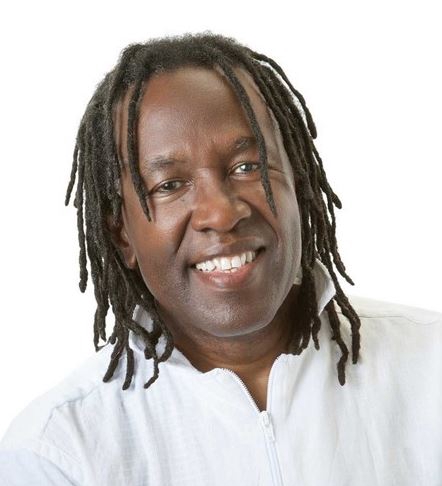
Stacy JohnsonGuest
Alistair MasonHost
And if a Band 5 nurse were to ask you, well, that sounds great, Stacey, but how does that relate to what I'm doing every day in my job? What would your response to that be?

It absolutely is, because if I use the example of one of my biggest pieces of work is reverse mentoring for equality, diversity and inclusion.

It was band five staff nurses, in fact, former students of mine, some band five, band six who were in practice, who actually helped me develop the framework using participatory action research.

And it brought me to think about a concept I'd come across, which is reverse mentoring.

And I brought those two things together to develop this reverse mentoring framework.

And years later, on a, you know, I would say on a weekly basis, I'm working with organizations where band five staff nurses, nursing associates, nurses, cleaners, porters are reverse mentoring leaders in the NHS and really getting a chance to say, walk in our world, but with me, the more junior person as my guide.

So it absolutely we're seeing that something like reverse mentoring really influences leaders views of the not just the front line, but the front of the front line staff experience.

the career of your dreams based on what interests you, based on the expertise that you develop.

So I definitely think definitely relevant to your band five staffers, also any students listening to the call, anybody at the start of their career journey, I would say.

So reverse mentoring is where a person in a junior position a band five, a band three, or somebody in a position where they don't feel powerful.

So this could be, again, because of your position in the organization or because of a characteristic you have.

You're an immigrant or, you know, you have dyslexia or for some other reason, you feel that your voice is not clearly heard in the organization.

And if a Band 5 nurse were to ask you, well, that sounds great, Stacey, but how does that relate to what I'm doing every day in my job? What would your response to that be?

It absolutely is, because if I use the example of one of my biggest pieces of work is reverse mentoring for equality, diversity and inclusion.

It was band five staff nurses, in fact, former students of mine, some band five, band six who were in practice, who actually helped me develop the framework using participatory action research.

And it brought me to think about a concept I'd come across, which is reverse mentoring.

And I brought those two things together to develop this reverse mentoring framework.

And years later, on a, you know, I would say on a weekly basis, I'm working with organizations where band five staff nurses, nursing associates, nurses, cleaners, porters are reverse mentoring leaders in the NHS and really getting a chance to say, walk in our world, but with me, the more junior person as my guide.

So it absolutely we're seeing that something like reverse mentoring really influences leaders views of the not just the front line, but the front of the front line staff experience.

the career of your dreams based on what interests you, based on the expertise that you develop.

So I definitely think definitely relevant to your band five staffers, also any students listening to the call, anybody at the start of their career journey, I would say.

So reverse mentoring is where a person in a junior position a band five, a band three, or somebody in a position where they don't feel powerful.

So this could be, again, because of your position in the organization or because of a characteristic you have.

You're an immigrant or, you know, you have dyslexia or for some other reason, you feel that your voice is not clearly heard in the organization.
The rest of this transcript — segmented and speaker-labeled, so you land on the exact moment something was said
Search every transcript — by keyword, by phrase, or by meaning, across every show Radar indexes
Trends — what is surging across podcasts, measured against its own baseline
Alerts — when a name you follow appears in a newly indexed episode
No account is needed to search Radar.