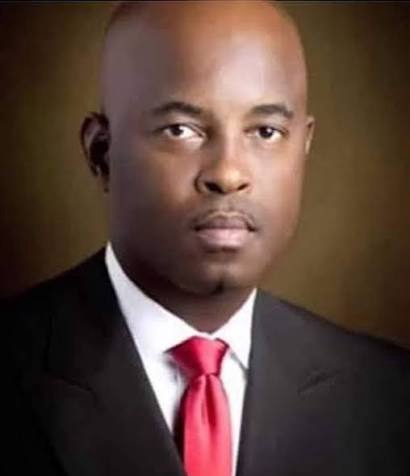
Ep. 95 Bridging the Gap Between Generosity and Healthcare Access with Adeolu Adeboye
Sep 10, 2026 · 27 min · 9 segments
What if lifesaving healthcare already exists, but the people who need it simply cannot afford to access it? In this episode of Money to Give, Rick Peck sits down with Adeolu Adeboye, a board-certified…
What if lifesaving healthcare already exists, but the people who need it simply cannot afford to access it? In this episode of Money to Give, Rick Peck sits down with Adeolu Adeboye, a board-certified trauma surgeon, surgical intensivist, and founder of Shekinah Global Healthcare Foundation, to explore how philanthropy can help close critical gaps in healthcare access. Drawing from his experience providing free surgical and medical care in underserved communities, Adeolu explains why effective philanthropy begins with listening to local communities and understanding what is truly preventing patients from receiving care. Sometimes the answer is not another hospital or new program, but providing the resources that allow existing healthcare systems and professionals to reach people who have been excluded from care. Throughout the episode, Adeolu and Rick explore the difference between immediate relief and lasting change, and why philanthropy needs both. Adeolu explains that healthcare is a connected system involving transportation, diagnosis, medications, equipment, medical professionals, surgery, follow-up care, and more. If even one piece is missing, a patient may remain untreated. Through Shekinah Global Healthcare Foundation, Adeolu has embraced a partnership-driven approach that brings together local healthcare systems, medical professionals, volunteers, donors, and companies around the needs of patients. His philosophy is simple but powerful: “Impact does not always require ownership. It requires alignment.” Whether you are a donor, nonprofit leader, healthcare professional, philanthropic advisor, or someone looking for a meaningful way to give, this conversation offers an important reminder that philanthropy extends far beyond writing a check. Money, expertise, time, relationships, supplies, and influence can all become part of the solution when they are thoughtfully coordinated around a shared purpose. Adeolu encourages listeners to ask themselves three questions: What do I have? What problem do I care deeply about? And who is already doing credible work in that space? You may not be able to solve an entire problem, but what you have to offer could completely change life for one person, and create a ripple effect for an entire family and community.Adeolu and his team will put this philosophy into action again during their next medical and surgical mission in Ibadan, Nigeria, September 20–26. For those who would like to be part of that work, you can learn more about Shekinah Global Healthcare Foundation and help support the mission at https://shekinahglobalfoundation.org/. **Contact Rick Peck:** Website: https://www.thephilanthropyguy.com Email: ThePhilanthropyGuy@gmail.com Book A Call: Rick Peck's Calendar Sign Up For Charitable Giving Newsletter: Charitable Giving Newsletter LinkedIn: Richard Peck **Contact Adeolu Adeboye:** Website: https://shekinahglobalfoundation.org/ Email: aaa263@cornell.edu LinkedIn: Adeolu Adeboye
What if lifesaving healthcare already exists, but the people who need it simply cannot afford to access it? In this episode of Money to Give, Rick Peck sits down with Adeolu Adeboye, a board-certified…