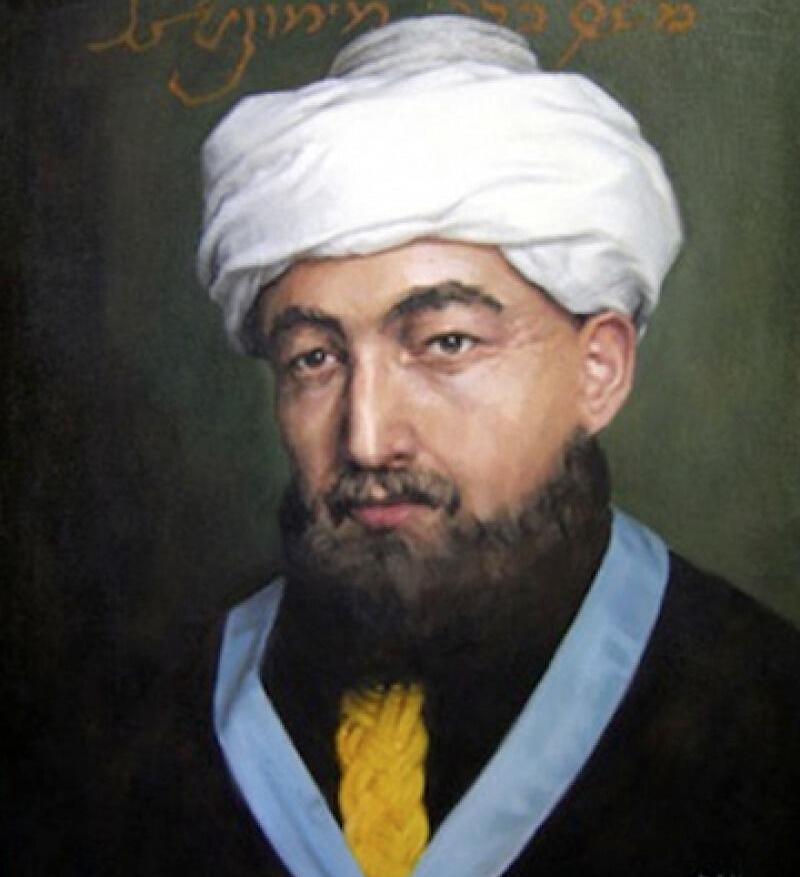
Tovet kaka ha-amura ba-Torah hu she-yisrot al-besaro v'yamalei makom ha-sritah kachol o-dio o-sha'ad tivonim ha-roshemim.
Interesting phrase to begin with, because he starts out saying the tattooing, let's just use the word because that's what we know it as, right? He calls it Ketovet Kaka, which is a strange phrase, a direct quote from Leviticus.
But the writing upon the skin, which is spoken about in the Torah, is one where one makes an incision in the flesh and then fills that place, the place of the incision, with color.
or with ink, or with any other dye, which leaves a lasting impression.
This is pretty straightforward for us.
If you understand the mechanics of tattooing, this is more or less exactly what tattooing is, is making an incision in the skin, although a very small one in the case of a needle, and filling that incision with dye.
So each time that a tattoo needle, particularly a mechanical or electronic one, works, it plunges into the skin, making a small, tiny incision, literally a tiny puncture wound, and leaves a drop of ink.
And it does that hundreds of times, thousands of times, to create a bigger image.
Obviously, they didn't have quite the same sophisticated technology we do, but hand poke, so to speak, tattoos were a big thing in the ancient world as they are today in a more artisanal tattoo culture.
In fact, he doesn't even quote the proof text for a while.
Instead, he says, So why is this? It's because this was the custom of the idolaters who would imprint upon themselves for idolatry's sake.
That is to say, they would write that I am the servant or like a sold servant, like a brand, right? Or I have been designated for the service of or the practice of or the religion of one of these idolatrous cults.
So the tattooing was understood to be an identity marker.
Rambam thinks in the ancient world, people would routinely tattoo themselves with which deity, which cult they were a part of, which he's probably not wrong about, although he might overstate it.
We don't have a huge amount of evidence because obviously tattoos being part of the skin do not survive tattooing.
Even in cases where there's preserved bodies, we can't really make out much ink typically.
But we do know that people used ink and it wasn't uncommon for inks and scarification and other kind of tattoo and body modification related practices to be practiced in the ancient Near East.
So he's not completely wrong about this.
So when a person, as soon as, basically, a person makes a mark with one of the substances that leave an imprint after making a slit in any place in their body, that's the incision, he's liable for lashes, men or women.
So there's two steps required to violate the ban on tattooing.
First, you have to make an incision into your skin, and then you have to fill that incision with ink.
Obviously, in the practice of tattoos, as we know it, those kind of happen simultaneously, but there's still two distinct steps.
It's not just making an incision.
It's not just drawing on your hand with a Sharpie.
Tovet kaka ha-amura ba-Torah hu she-yisrot al-besaro v'yamalei makom ha-sritah kachol o-dio o-sha'ad tivonim ha-roshemim.
Interesting phrase to begin with, because he starts out saying the tattooing, let's just use the word because that's what we know it as, right? He calls it Ketovet Kaka, which is a strange phrase, a direct quote from Leviticus.
But the writing upon the skin, which is spoken about in the Torah, is one where one makes an incision in the flesh and then fills that place, the place of the incision, with color.
or with ink, or with any other dye, which leaves a lasting impression.
This is pretty straightforward for us.
If you understand the mechanics of tattooing, this is more or less exactly what tattooing is, is making an incision in the skin, although a very small one in the case of a needle, and filling that incision with dye.
So each time that a tattoo needle, particularly a mechanical or electronic one, works, it plunges into the skin, making a small, tiny incision, literally a tiny puncture wound, and leaves a drop of ink.
And it does that hundreds of times, thousands of times, to create a bigger image.
Obviously, they didn't have quite the same sophisticated technology we do, but hand poke, so to speak, tattoos were a big thing in the ancient world as they are today in a more artisanal tattoo culture.
In fact, he doesn't even quote the proof text for a while.
Instead, he says, So why is this? It's because this was the custom of the idolaters who would imprint upon themselves for idolatry's sake.
That is to say, they would write that I am the servant or like a sold servant, like a brand, right? Or I have been designated for the service of or the practice of or the religion of one of these idolatrous cults.
So the tattooing was understood to be an identity marker.
Rambam thinks in the ancient world, people would routinely tattoo themselves with which deity, which cult they were a part of, which he's probably not wrong about, although he might overstate it.
We don't have a huge amount of evidence because obviously tattoos being part of the skin do not survive tattooing.
Even in cases where there's preserved bodies, we can't really make out much ink typically.
But we do know that people used ink and it wasn't uncommon for inks and scarification and other kind of tattoo and body modification related practices to be practiced in the ancient Near East.
So he's not completely wrong about this.
So when a person, as soon as, basically, a person makes a mark with one of the substances that leave an imprint after making a slit in any place in their body, that's the incision, he's liable for lashes, men or women.
So there's two steps required to violate the ban on tattooing.
First, you have to make an incision into your skin, and then you have to fill that incision with ink.
Obviously, in the practice of tattoos, as we know it, those kind of happen simultaneously, but there's still two distinct steps.
It's not just making an incision.
It's not just drawing on your hand with a Sharpie.
The rest of this transcript — segmented and speaker-labeled, so you land on the exact moment something was said
Search every transcript — by keyword, by phrase, or by meaning, across every show Radar indexes
Trends — what is surging across podcasts, measured against its own baseline
Alerts — when a name you follow appears in a newly indexed episode
No account is needed to search Radar.