$180,000 Raised, Five Baskets Delivered with Shane Lukas
Aug 15, 2026 · 45 min · 11 segments
Shane Lukas is the owner and creative strategist of A Great Idea (AGI), an LGBTQ+-owned brand communications agency he founded in 2015, based in Greensboro and Durham, North Carolina, working with…
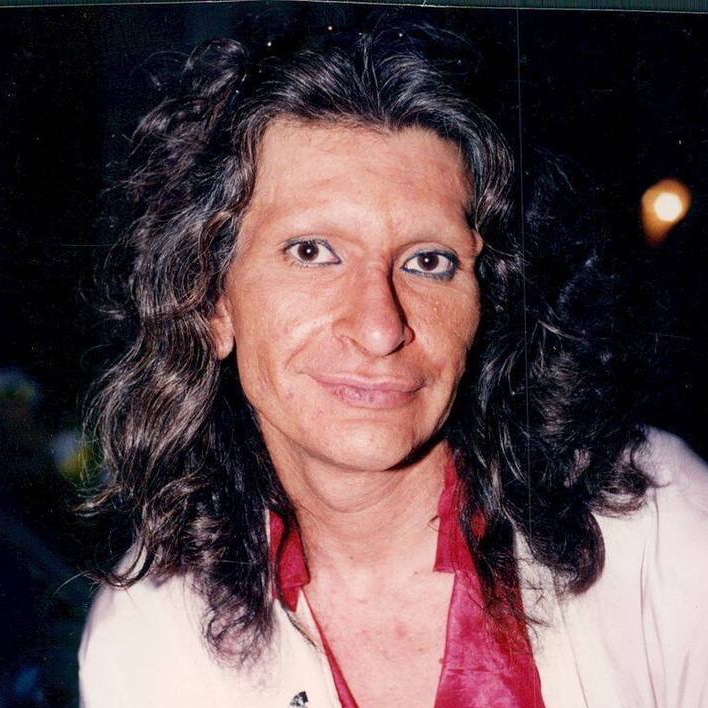
Shane Lukas is the owner and creative strategist of A Great Idea (AGI), an LGBTQ+-owned brand communications agency he founded in 2015, based in Greensboro and Durham, North Carolina, working with purpose-driven nonprofits and for-profit companies in healthcare and education across the country. He is also a two-time TEDx speaker (his second talk focuses on values), an author with a book coming out later this year, and a co-host of Power Beyond Pride, a weekly podcast spotlighting LGBTQ+ changemakers. Shane's activism started in his teen years and has centered on bodily autonomy and harm reduction, beginning with Planned Parenthood, work he says has shaped both his personal life and how AGI approaches brand strategy for its partners. **Timestamps:** 00:00 What happens when a nonprofit's numbers don't add up? 00:29 Who is Shane Lukas? 00:57 What is A Great Idea? 01:34 Why did Shane become an activist? 02:19 Is every organization "purpose-driven"? 03:44 Why does a food bank need to exist? 05:48 How do you find your real impact story? 10:12 What is the "Amazoning problem"? 13:57 Where's the line between values and manipulation? 16:54 Which values are rising and falling? 19:47 Why don't we agree on facts anymore? 23:05 Should social media follow publisher rules? 28:47 Can lived experience alone show you truth? 30:35 What should a young activist learn first? 34:03 Why shouldn't you do this work alone? 36:14 What impact has A Great Idea had? 38:25 Where does Shane want to be in 10 years? 41:07 Where can you learn more about Shane? 42:09 What's Shane's closing message? **Guest Links:** - Personal website: https://shanelukas.com - Organization website: https://agreatidea.com - LinkedIn (personal): https://www.linkedin.com/in/shane-lukas/ - LinkedIn (A Great Idea): https://linkedin.com/company/agreatideacom - Facebook (A Great Idea): https://facebook.com/agreatideaco - Instagram (A Great Idea): https://instagram.com/weareagi - Podcast: https://powerbeyondpride.com **GTZP Links:** - Website: http://www.gtzp.org - LinkedIn: https://www.linkedin.com/company/greaterthanzeropercent/ - Apple Podcasts: https://podcasts.apple.com/us/podcast/find-your-cause/id1528910691 - Spotify: https://open.spotify.com/show/2ZeAnlQ - YouTube: https://www.youtube.com/@gtzp
Shane Lukas is the owner and creative strategist of A Great Idea (AGI), an LGBTQ+-owned brand communications agency he founded in 2015, based in Greensboro and Durham, North Carolina, working with…