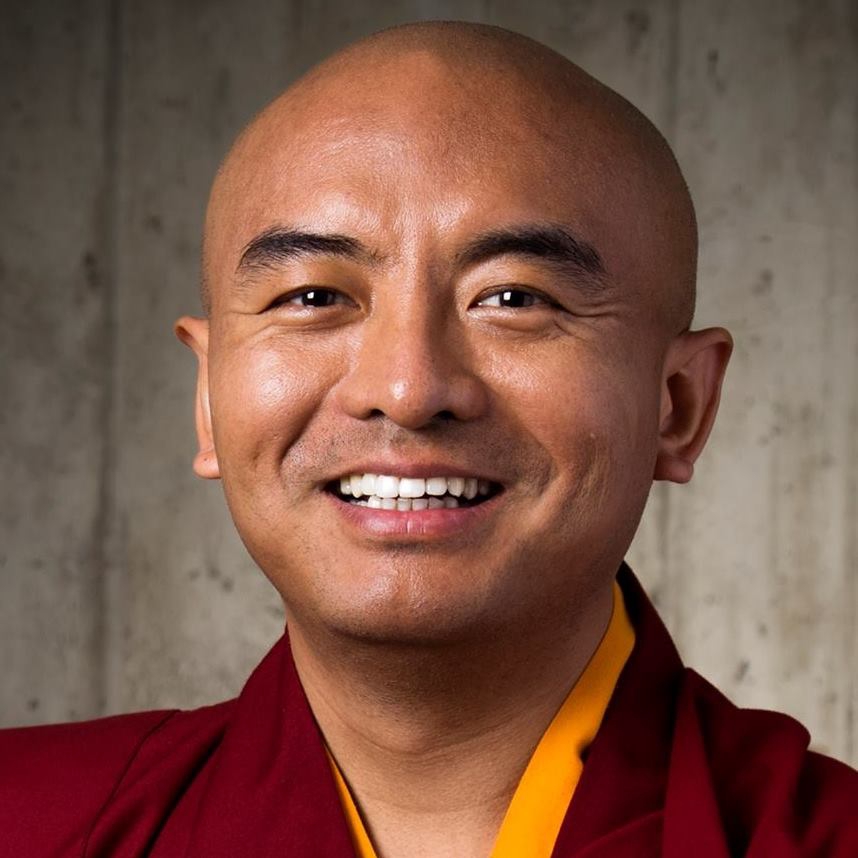
Richard DavidsonHostSo there's two things that Richie and I wanted to mention right out of the gate as two of the most important ingredients, you might say, when it comes to practicing these skills of awareness, connection, insight, and purpose.
And a lot of the time when we meditate or we do other practices, we just throw ourselves into the practice.
without giving so much thought to what we're carrying with us when we start the practice.
But in some respects, our motivation, which you'll hear about from Richie in a moment, and our mindset, or what in traditional terms is called the view, are more important than the practice we actually do.
So I'm just gonna say a couple words about the mindset, and Richie's gonna share a little bit about the view, then we'll do a little mini practice together.
And hopefully you can bring this into the practices we experiment with tonight.
So typically when we meditate, oftentimes, I think for most of us, I know certainly this is true for me and Richie, I've heard you share this about your own experience.
And we do things like meditation, thinking that that's going to somehow We're going to be less distracted and more calm.
But a lot of what we talk about in Dharma Lab and a lot of the traditions we're drawing on with the insights and practices we share, specifically the Tibetan tradition, which we're both very steeped in, is based on a completely different view.
It's that we're not the flawed, broken creatures that we normally think we are.
we have the ingredients, the raw materials of flourishing and wellbeing are kind of baked into our DNA.
We're wired for flourishing, but we simply haven't learned to see these qualities about ourselves.
So specifically when we talk about awareness, connection, insight, purpose, which you'll practice tonight, it's a practice of really tuning into the frequencies of your experience that are already there.
It's bringing these qualities into focus Not that we need to somehow get better at them or get something we don't have.
So there's two things that Richie and I wanted to mention right out of the gate as two of the most important ingredients, you might say, when it comes to practicing these skills of awareness, connection, insight, and purpose.
And a lot of the time when we meditate or we do other practices, we just throw ourselves into the practice.
without giving so much thought to what we're carrying with us when we start the practice.
But in some respects, our motivation, which you'll hear about from Richie in a moment, and our mindset, or what in traditional terms is called the view, are more important than the practice we actually do.
So I'm just gonna say a couple words about the mindset, and Richie's gonna share a little bit about the view, then we'll do a little mini practice together.
And hopefully you can bring this into the practices we experiment with tonight.
So typically when we meditate, oftentimes, I think for most of us, I know certainly this is true for me and Richie, I've heard you share this about your own experience.
And we do things like meditation, thinking that that's going to somehow We're going to be less distracted and more calm.
But a lot of what we talk about in Dharma Lab and a lot of the traditions we're drawing on with the insights and practices we share, specifically the Tibetan tradition, which we're both very steeped in, is based on a completely different view.
It's that we're not the flawed, broken creatures that we normally think we are.
we have the ingredients, the raw materials of flourishing and wellbeing are kind of baked into our DNA.
We're wired for flourishing, but we simply haven't learned to see these qualities about ourselves.
So specifically when we talk about awareness, connection, insight, purpose, which you'll practice tonight, it's a practice of really tuning into the frequencies of your experience that are already there.
It's bringing these qualities into focus Not that we need to somehow get better at them or get something we don't have.
The rest of this transcript — segmented and speaker-labeled, so you land on the exact moment something was said
Search every transcript — by keyword, by phrase, or by meaning, across every show Radar indexes
Trends — what is surging across podcasts, measured against its own baseline
Alerts — when a name you follow appears in a newly indexed episode
No account is needed to search Radar.