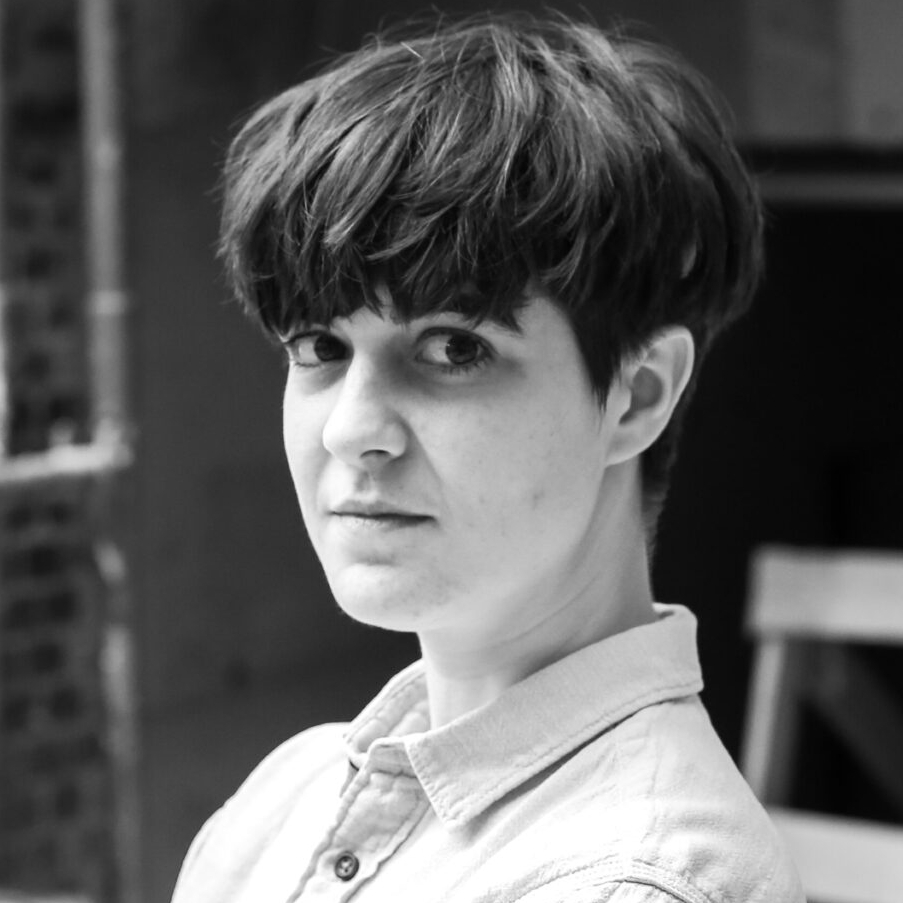
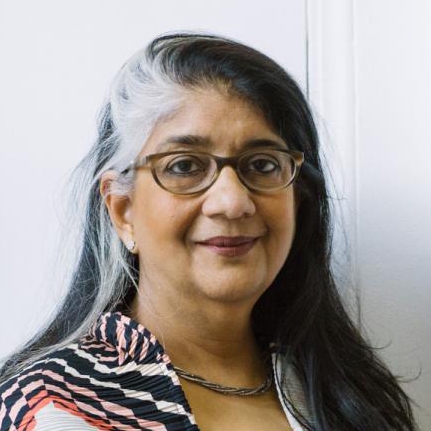
Marlene EngelhornGuest
Shalini RanderiaHost
You were enormously lucky to inherit a rather large fortune, which most people would have spent on a luxurious life for themselves, or at best would have donated a small part of it to some causes that they themselves felt personally close to.

But you first started a public campaign demanding that your inheritance be taxed.

Could you talk about your initiative for the inheritance tax and where the idea of starting such an initiative come from?

It's not something that will befall ninety-nine percent of the population, but it's really only the one percent.

Those within the one percent, like me, who might inherit a multimillion fortune that they then spend on themselves is due to the fact that they are so completely detached from society while at the same time remaining incredibly dependent on social infrastructure and social cohesion and political structure and everything that goes with that.

I know that you should be grateful and that you should be super happy about it, especially because for most people, this would be enormous luck, sheer luck.

Why would a person, just because they're born in a certain family, have this amount of fortune, this amount of power? I don't want any people to be in this position of power and have that power over me, so I cannot wholeheartedly grant it to myself.

And so I tried to figure out what to do with it, and that led me to talk to very interesting and intelligent and kind people, and they were very patient with me, and I learned and I listened.

It was political education, and that's when I realized that if I wanted to do things properly, it had to be democratically done.

And so taxation really is the most democratic tool you can use in order to organize redistribution and also depersonalize it and make it not about the individual at hand.

A certain limit has to be handled and regulated in a certain way in order to make sure that it benefits all of society and not just that particular individual.

Taxation was the most fair and applicable toolI didn't have to invent anything or come up with anything original.

I joined these forces, and I hope I did a good job of it, and I'm not done also.

What you did was, along with some 20 other millionaires, to initiate the Tax Me Now movement, and it did have some traction with especially German-speaking millionaires.

Could you say something about how the initiative unfolded? Do you see allies elsewhere in the United States, where, of course, there are very huge personal fortunes in the first, second, and third generation? There is a different tradition that of philanthropy, which is a different trajectory from public taxation on wealth.

You were enormously lucky to inherit a rather large fortune, which most people would have spent on a luxurious life for themselves, or at best would have donated a small part of it to some causes that they themselves felt personally close to.

But you first started a public campaign demanding that your inheritance be taxed.

Could you talk about your initiative for the inheritance tax and where the idea of starting such an initiative come from?

It's not something that will befall ninety-nine percent of the population, but it's really only the one percent.

Those within the one percent, like me, who might inherit a multimillion fortune that they then spend on themselves is due to the fact that they are so completely detached from society while at the same time remaining incredibly dependent on social infrastructure and social cohesion and political structure and everything that goes with that.

I know that you should be grateful and that you should be super happy about it, especially because for most people, this would be enormous luck, sheer luck.

Why would a person, just because they're born in a certain family, have this amount of fortune, this amount of power? I don't want any people to be in this position of power and have that power over me, so I cannot wholeheartedly grant it to myself.

And so I tried to figure out what to do with it, and that led me to talk to very interesting and intelligent and kind people, and they were very patient with me, and I learned and I listened.

It was political education, and that's when I realized that if I wanted to do things properly, it had to be democratically done.

And so taxation really is the most democratic tool you can use in order to organize redistribution and also depersonalize it and make it not about the individual at hand.

A certain limit has to be handled and regulated in a certain way in order to make sure that it benefits all of society and not just that particular individual.

Taxation was the most fair and applicable toolI didn't have to invent anything or come up with anything original.

I joined these forces, and I hope I did a good job of it, and I'm not done also.

What you did was, along with some 20 other millionaires, to initiate the Tax Me Now movement, and it did have some traction with especially German-speaking millionaires.

Could you say something about how the initiative unfolded? Do you see allies elsewhere in the United States, where, of course, there are very huge personal fortunes in the first, second, and third generation? There is a different tradition that of philanthropy, which is a different trajectory from public taxation on wealth.
The rest of this transcript — segmented and speaker-labeled, so you land on the exact moment something was said
Search every transcript — by keyword, by phrase, or by meaning, across every show Radar indexes
Trends — what is surging across podcasts, measured against its own baseline
Alerts — when a name you follow appears in a newly indexed episode
No account is needed to search Radar.