Cycling Conversations with inGamba
Sep 1, 2026 · 51 min · 14 segments
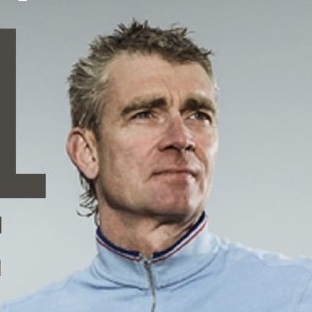
He guided Tadej Pogacar to his first Tour de France victory. He helped Mark Cavendish become one of the most prolific stage winners of a generation. He arrived in Belgium at seventeen with $300 from…
Allan PeiperGuest
James StarttHostMolly HurfordHost
I've never seen it before, not even with Tadej because Tadej is just so naturally talented, so naturally stable that, you know, he can sort of get away with doing silly things in the race, you know, like attacking 50 kilometres from the finish line.
Well, it's so funny because I think this brings us back to the first few minutes of this conversation where you're talking about when you first started and how hectic and almost casual it was.
And now what it takes to win a race like the Tour is this... interdepartmental work right like everything has to come together so perfectly um which which do you prefer do you like the the jigsaw puzzle of today where you can really perfectly fit all of the pieces or do you kind of prefer the or do you miss the the days of uh we're gonna say it was like a ripped up piece of paper that you had to kind of put back together and the edges would maybe be a little ragged but it would you'd see the full picture

They're lucky now because, look, starting with nutrition and health, the writers are looked after so well.

And with the doping controls that go on in and outside the racing, with the team following up, with the nutritionists there, the chefs that are there, the way they're being taken care of now, I would say it's a little bit like horse racing, you know? They're being looked after like these great horse racers that can't do anything outside of, you know, just racing.

And, you know, sports psychology comes into it these days about getting the athlete ready for the event and having them believing in the event.

And one thing I've thought about in the last week or so about discipline, and it's come up quite often about discipline these days and how do you discipline riders.

And that's a generational thing because I think when I was growing up, discipline also meant discipline.

I won't say violence, but I will say, yeah, maybe violence is the word, getting the strap at school or getting a beating by your dad or whatever that may be, or even getting talked to in a very demeaning way by a director sportif.

They're not, they're not brought up in the same way and they want to know why that has to be like that and, and how it has to be done.

And, you know, that's why, uh, Pre-race meetings where everyone is – their role is defined and post-race meetings where everybody's role can be discussed and they can get to say and take responsibility for their job, get to say what happened to them that day.

I think that's, you know, the generational part of it has really come into the sport so much at the moment, you know, that it takes – management with emotional intelligence to be able to guide a rider or a team through all of this.

From Cavendish to Tidey to Remco to many others, you know, a rider that I didn't even mention.

Has there ever been a rider pastor present? You said, boy, I would love to have been able to work with that rider.

I think it would have been really interesting, you know, to see what we could have actually gotten out of them with a different approach or your approach and your experience.

I've never seen it before, not even with Tadej because Tadej is just so naturally talented, so naturally stable that, you know, he can sort of get away with doing silly things in the race, you know, like attacking 50 kilometres from the finish line.
Well, it's so funny because I think this brings us back to the first few minutes of this conversation where you're talking about when you first started and how hectic and almost casual it was.
And now what it takes to win a race like the Tour is this... interdepartmental work right like everything has to come together so perfectly um which which do you prefer do you like the the jigsaw puzzle of today where you can really perfectly fit all of the pieces or do you kind of prefer the or do you miss the the days of uh we're gonna say it was like a ripped up piece of paper that you had to kind of put back together and the edges would maybe be a little ragged but it would you'd see the full picture

They're lucky now because, look, starting with nutrition and health, the writers are looked after so well.

And with the doping controls that go on in and outside the racing, with the team following up, with the nutritionists there, the chefs that are there, the way they're being taken care of now, I would say it's a little bit like horse racing, you know? They're being looked after like these great horse racers that can't do anything outside of, you know, just racing.

And, you know, sports psychology comes into it these days about getting the athlete ready for the event and having them believing in the event.

And one thing I've thought about in the last week or so about discipline, and it's come up quite often about discipline these days and how do you discipline riders.

And that's a generational thing because I think when I was growing up, discipline also meant discipline.

I won't say violence, but I will say, yeah, maybe violence is the word, getting the strap at school or getting a beating by your dad or whatever that may be, or even getting talked to in a very demeaning way by a director sportif.

They're not, they're not brought up in the same way and they want to know why that has to be like that and, and how it has to be done.

And, you know, that's why, uh, Pre-race meetings where everyone is – their role is defined and post-race meetings where everybody's role can be discussed and they can get to say and take responsibility for their job, get to say what happened to them that day.

I think that's, you know, the generational part of it has really come into the sport so much at the moment, you know, that it takes – management with emotional intelligence to be able to guide a rider or a team through all of this.

From Cavendish to Tidey to Remco to many others, you know, a rider that I didn't even mention.

Has there ever been a rider pastor present? You said, boy, I would love to have been able to work with that rider.

I think it would have been really interesting, you know, to see what we could have actually gotten out of them with a different approach or your approach and your experience.
The rest of this transcript — segmented and speaker-labeled, so you land on the exact moment something was said
Search every transcript — by keyword, by phrase, or by meaning, across every show Radar indexes
Trends — what is surging across podcasts, measured against its own baseline
Alerts — when a name you follow appears in a newly indexed episode
No account is needed to search Radar.