Counterpoint with Scott Harris
Counterpoint 10-12-26 w Scott Harris discusses: Lula Fights to Stop Right Wing Wave in Brazil; Trump Allied Oligarchs Take Over Another Media Behemoth; More Americans are Searching for Answers fr Socialist Candidates; GOP trying to Rehabilitate Nixon
Oct 13, 2026 · 1 hr 26 min · 10 segments
**COUNTERPOINT RADIO**, hosted by Scott Harris, is heard every Monday night on WPKN 89.5 FM, Bridgeport, CT between 8:00 – 9:30 pm ET. Webstreaming and audio archive at…
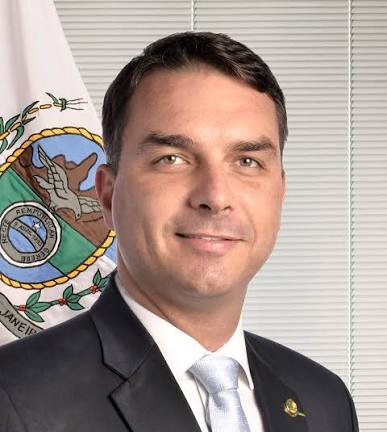
**COUNTERPOINT RADIO**, hosted by Scott Harris, is heard every Monday night on WPKN 89.5 FM, Bridgeport, CT between 8:00 – 9:30 pm ET. Webstreaming and audio archive at http://wpkn.org Some segments featured on Counterpoint are edited for re-broadcast on the syndicated Between The Lines radio news magazine. Visit their web site at http://www.btlonline.org for free subscriptions to mp3 - podcast audio files, program summaries and interview transcripts. An archive of current and past Counterpoint interviews are accessible for free at our Counterpoint Radio web site: http://counterpointradio.org The full 1.5 hour unedited program can be accessed for a 2 week period after the show, at the WPKN Radio archives: http://archives.wpkn.org/bookmarks/search/counterpoint **1) Lula Fights to Stop Right Wing Wave in Brazil and Latin America.** Alexander Main, Director of International Policy at the Center for Economic and Policy Research in Washington, D.C., assesses Brazil's recent first round presidential election where right wing candidate Flávio Bolsonaro received 2.25 million more votes than incumbent president Luiz Inácio Lula da Silva, major issues debated, prospects for the final election round, and the Trump regime's attempt to influence the outcome. **2) Trump Allied Oligarchs Take Over Another Hollywood Media Behemoth** Ari Paul, New York City-based journalist and lecturer at Columbia University’s School of International and Public Affairs, discusses his recent FAIR.org column, "*CNN Cleared to Join CBS Under Trumpian Paramount Ownership,"* and issues related to the growing concentration of U.S. media ownership in the hands of Trump friendly oligarchs. **3) As American Dream Slips Away, More Americans are Searching for Answers from Socialist Candidates** Michael Zweig, emeritus professor of economics, founding director of the Center for Study of Working-Class Life at the State University of New York at Stony Brook, and author of *“Class, Race, and Gender: Challenging the Injuries and Divisions of Capitalism,”* talks about the 2026 midterm election debate about "socialism," recent primary victories by Democratic Socialists of America candidates, and a growing number of Americans' declining confidence in attaining the "American Dream." **4) Republican's Attempt to Rehabilitate Richard "Tricky Dick" Nixon: the GOP Scheme to Normalize Trump's Lawlessness and Corruption** Salon columnist Heather Digby Parton, who writes Digby’s Hullabaloo blog, talks about her recent article, *"The dark reasons behind all the Richard Nixon worship: MAGA needs to maintain its grip on the GOP after Donald Trump — and the 37th president is key.*" The column outlines Trump supporters' current effort to rehabilitate Nixon, along with unsupported charges that he was unjustly forced to resign in 1973 by the "deep state." Some segments featured on Counterpoint are edited for re-broadcast on the syndicated Between The Lines radio news magazine. Visit their web site at http://www.btlonline.org for free subscriptions to mp3 - podcast audio files, program summaries and interview transcripts. An archive of current and past Counterpoint interviews are accessible for free at our Counterpoint Radio web site: http://counterpointradio.org The full 1.5 hour unedited program can be accessed for a 2 week period after the show, at the WPKN Radio archives: http://archives.wpkn.org/bookmarks/search/counterpoint
**COUNTERPOINT RADIO**, hosted by Scott Harris, is heard every Monday night on WPKN 89.5 FM, Bridgeport, CT between 8:00 – 9:30 pm ET. Webstreaming and audio archive at…