EMOTIONAL0:54
Ruby Bridges Finds Her Story
Her courage became a lifeline for others

Aug 13, 2026 · 33 min · 11 segments
The illuminated stories of individuals throughout history show that courage and motivation to endure are required to experience greatness…
 Robert T. BarrettGuest
Students and family members, administrators, faculty, and staff, I am greatly honored to be here today and appreciate the opportunity to address you.
Two weeks ago, Vicki and I were in Washington, DC, attending the Portrait Society of America conference with seven of my illustration students on an experiential learning trip.
Vicki and I were in Rome last year, which included a visit to the Vatican Museum and an opportunity to view the Sistine Chapel.
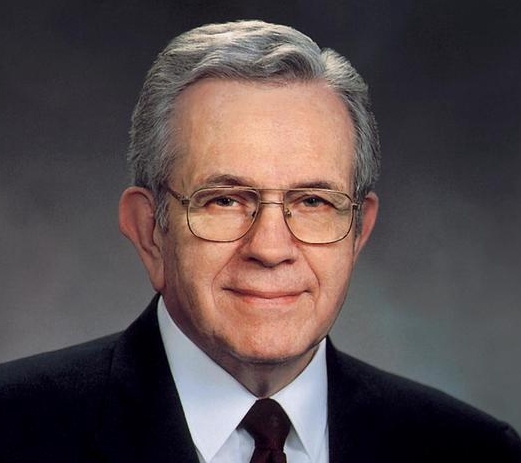
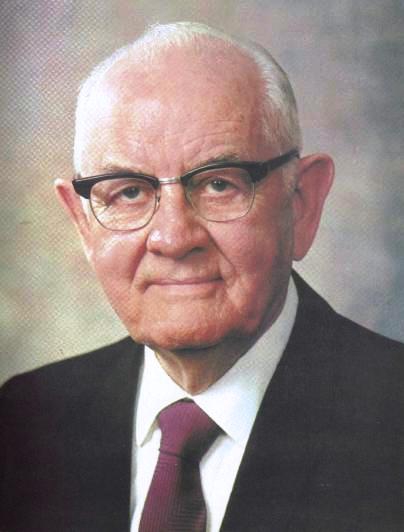
Speaking of the painting and its creator, Michelangelo, President Spencer W. Kimball stated in his Education for Eternity Vision of the Arts address fifty years ago, "His thirty-five hundred square foot painting in the Sistine Chapel is said to be the most important piece of mural painting of the modern world.
To be an artist," said President Kimball, "or a scientist or a mathematician could be added, means hard work and patience and long-suffering.
Michelangelo said, 'I am a poor man and of little merit who plods along in the art which God gave me.' His David in Florence and his Moses in Rome inspire to adulation," said President Kimball.
A recent exhibition entitled Michelangelo, Divine Draftsman and Designer was displayed at the Metropolitan Museum of Art.
Eight years in the making, the exhibit included one hundred and thirty-three drawings, which was the largest group of drawings by Michelangelo ever assembled, ever assembled for public display.
Among the drawings exhibited at the Metropolitan Museum is a single page of studies Michelangelo drew for the Libyan Sibyl, a page I often show and display for my life drawing students.
Sibyls at the time were considered to have equal status to that of the prophets.
Historically, drawings did not exist as standalone entities, but rather as preparatory studies for more monumental work.
Of drawing, Michelangelo stated, "Let this be plain to all, design, or as it is called by another name, drawing, constitutes the fountainhead and substance of painting and sculpture and architecture and is the root of all sciences.
Let him who has attained the possession of this be assured that he possesses a great treasure." One wonders, were his statement made today, if it wouldn't also include the disciplines of animation, digital painting, and graphic design.
In his letters and poetry, Michelangelo reveals a sensitive spirit and an individual who loved and revered God.
In Michelangelo's opinion, it was God who bestowed all talents and abilities.
Despite his self-assurance, he also experienced bouts of insecurity and great conflicts within himself related to his desire to attain perfection in his work.
Shortly before his death, Michelangelo burned hundreds of his drawings, sketches, and cartoons, a self-inflicted bonfire to mediocrity, in an effort to conceal the ways in which he labored to realize his genius.






Students and family members, administrators, faculty, and staff, I am greatly honored to be here today and appreciate the opportunity to address you.
Two weeks ago, Vicki and I were in Washington, DC, attending the Portrait Society of America conference with seven of my illustration students on an experiential learning trip.
Vicki and I were in Rome last year, which included a visit to the Vatican Museum and an opportunity to view the Sistine Chapel.
Speaking of the painting and its creator, Michelangelo, President Spencer W. Kimball stated in his Education for Eternity Vision of the Arts address fifty years ago, "His thirty-five hundred square foot painting in the Sistine Chapel is said to be the most important piece of mural painting of the modern world.
To be an artist," said President Kimball, "or a scientist or a mathematician could be added, means hard work and patience and long-suffering.
Michelangelo said, 'I am a poor man and of little merit who plods along in the art which God gave me.' His David in Florence and his Moses in Rome inspire to adulation," said President Kimball.
A recent exhibition entitled Michelangelo, Divine Draftsman and Designer was displayed at the Metropolitan Museum of Art.
Eight years in the making, the exhibit included one hundred and thirty-three drawings, which was the largest group of drawings by Michelangelo ever assembled, ever assembled for public display.
Among the drawings exhibited at the Metropolitan Museum is a single page of studies Michelangelo drew for the Libyan Sibyl, a page I often show and display for my life drawing students.
Sibyls at the time were considered to have equal status to that of the prophets.
Historically, drawings did not exist as standalone entities, but rather as preparatory studies for more monumental work.
Of drawing, Michelangelo stated, "Let this be plain to all, design, or as it is called by another name, drawing, constitutes the fountainhead and substance of painting and sculpture and architecture and is the root of all sciences.
Let him who has attained the possession of this be assured that he possesses a great treasure." One wonders, were his statement made today, if it wouldn't also include the disciplines of animation, digital painting, and graphic design.
In his letters and poetry, Michelangelo reveals a sensitive spirit and an individual who loved and revered God.
In Michelangelo's opinion, it was God who bestowed all talents and abilities.
Despite his self-assurance, he also experienced bouts of insecurity and great conflicts within himself related to his desire to attain perfection in his work.
Shortly before his death, Michelangelo burned hundreds of his drawings, sketches, and cartoons, a self-inflicted bonfire to mediocrity, in an effort to conceal the ways in which he labored to realize his genius.
Every episode on Radar is fully transcribed, speaker-labeled, and rich with metadata. Here is a taste of this one. Try Radar for free to see the rest.
3 of 11
Ruby Bridges Finds Her Story
Her courage became a lifeline for others
Stories That Can Save Us
Stories can soften fear and rebuild connection
Rejection Forced Deeper Growth
Failure can force deeper work and growth
+8 more clips · 12 min 36 sec of audio in all
7 of 19
The rest of this transcript — segmented and speaker-labeled, so you land on the exact moment something was said
All 11 clips — the highlight moments, each cut as its own audio, with a title and a speaker
All 11 segments — the transcript broken into labeled sections, every ad read marked
All 19 topics — jump to every other episode discussing the same subject
Every related episode — other shows Radar links to this one
No account is needed to search Radar.

