AVANTO - Conversations on Finland's Global Ambition
Aug 31, 2026 · 29 min · 10 segments
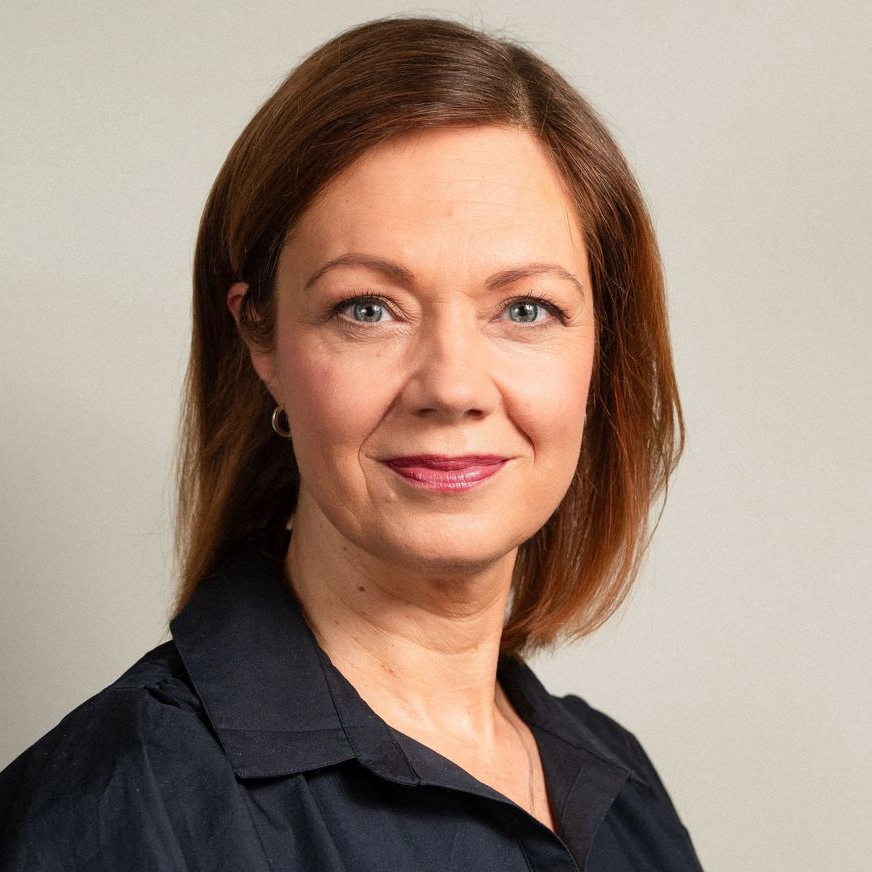
Episode 13 · The Common Ground **Marit af Björkesten, CEO of Yle** When Yle was created in 1926, its mission included building bridges between people, and between the countryside and the cities, in…
Marit af BjörkestenGuestAVANTO HostHostULE was created in 1926 to bring together a divided country.
And you've said that this task has become important again today.

Yes, Wiley was created a hundred years ago in a country that was quite scattered, divided by war.

So it was even written that Wiley has to build bridges between people and bridges between the countryside and cities.

This was for a long time the mission, then at some point it wasn't maybe one of the top strategies.

But now during the last few years, I would say it is one of our top strategies again.

And it is due to what's happening in the world right now, of course, and also digitalization that is scattering information.

So we don't have this culture where everyone watches the same programs, talks about the same content, which is maybe not an ideal either, but we have kind of to bring people together at some point somewhere.

Even if you think about democracy, in the beginning it was about small town hall meetings where people met, where at least some people could participate, discuss and make decisions together.

So we are now thinking a lot about what is a town hall in the digital age.

At one point we thought it might be social media, but now we see that no, it definitely wasn't.

Well, I see that the whole media sector, the media sector where we have editors-in-chief that are responsible, are all important.


No matter where people live, how they live their lives, what kind of economy they have, what kind of background, what kind of education or political thoughts, we need to mirror the world where they live and bring it all together in one picture.

So this is a big and difficult task, but it's also a very big and good mission.
So the Finns used to watch the same news in the evening and talked about the same things the next day.
You'd mention it's not the case anymore.
ULE was created in 1926 to bring together a divided country.
And you've said that this task has become important again today.

Yes, Wiley was created a hundred years ago in a country that was quite scattered, divided by war.

So it was even written that Wiley has to build bridges between people and bridges between the countryside and cities.

This was for a long time the mission, then at some point it wasn't maybe one of the top strategies.

But now during the last few years, I would say it is one of our top strategies again.

And it is due to what's happening in the world right now, of course, and also digitalization that is scattering information.

So we don't have this culture where everyone watches the same programs, talks about the same content, which is maybe not an ideal either, but we have kind of to bring people together at some point somewhere.

Even if you think about democracy, in the beginning it was about small town hall meetings where people met, where at least some people could participate, discuss and make decisions together.

So we are now thinking a lot about what is a town hall in the digital age.

At one point we thought it might be social media, but now we see that no, it definitely wasn't.

Well, I see that the whole media sector, the media sector where we have editors-in-chief that are responsible, are all important.


No matter where people live, how they live their lives, what kind of economy they have, what kind of background, what kind of education or political thoughts, we need to mirror the world where they live and bring it all together in one picture.

So this is a big and difficult task, but it's also a very big and good mission.
So the Finns used to watch the same news in the evening and talked about the same things the next day.
You'd mention it's not the case anymore.
The rest of this transcript — segmented and speaker-labeled, so you land on the exact moment something was said
Search every transcript — by keyword, by phrase, or by meaning, across every show Radar indexes
Trends — what is surging across podcasts, measured against its own baseline
Alerts — when a name you follow appears in a newly indexed episode
No account is needed to search Radar.