Aug 30, 2026 · 14 min · 7 segments
For a long time, the conversation around alcohol felt incredibly black and white. But what about everyone who sits somewhere in between? Years ago, I started using the term **“middle lane”** to…
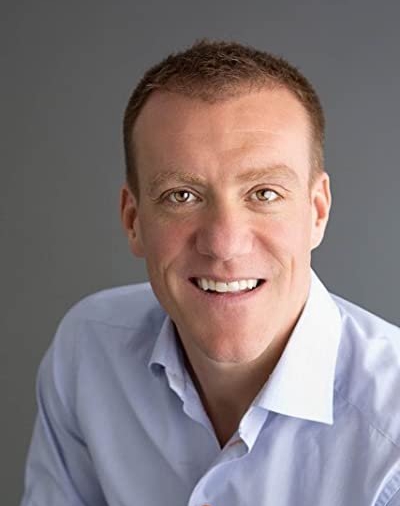
Andy RamageHost
With up the top is those that are alcohol-free and loving life and living life in their optimal self by not drinking.

And then that slope, if you can imagine, slowly slopes all the way down to addiction, recovery, dependent on alcohol.

And I think we have to own the slopiness of the middle lane, right? It's not straight.

It slopes, right? And I would argue that I was probably at the lower end of the middle lane slope.

I think had I not proactively decided to take a break and then wrestle with that for a couple of years to try and figure it all out and be... courageous enough to go back and study and learn and do all the things I needed to do to crack the alcohol code I think I would have slipped into a place where I needed a different kind of wonderful support that's available out there I just didn't get to that place I bowed out in advance hence The story of the middle lane, and I think that talks to so many people that actually feel alcohol's no longer serving them in the way that it once did.

However, they wouldn't feel comfortable or right stepping into a 12-step meeting, for example, or AA, or putting their hand up to say that I need some sort of specific recovery-style support.

And because there was nothing for the whopping great big group in the middle lane... by the way, which is of the 2.4 billion drinkers, 0.4 are categorized in that dependent bucket, as it were.

It was, again, that black and white thinking, which, and again, if we look at this from a slightly different angle, I think that meant that so many people were misdiagnosed, just like lumped and dumped in that you need recovery bucket because there was nothing in the middle.

So it was like if anyone put their hand up at any point to say their relationship with alcohol was not serving them because there was no middle lane, it was like, well, you know what you need to do.

With up the top is those that are alcohol-free and loving life and living life in their optimal self by not drinking.

And then that slope, if you can imagine, slowly slopes all the way down to addiction, recovery, dependent on alcohol.

And I think we have to own the slopiness of the middle lane, right? It's not straight.

It slopes, right? And I would argue that I was probably at the lower end of the middle lane slope.

I think had I not proactively decided to take a break and then wrestle with that for a couple of years to try and figure it all out and be... courageous enough to go back and study and learn and do all the things I needed to do to crack the alcohol code I think I would have slipped into a place where I needed a different kind of wonderful support that's available out there I just didn't get to that place I bowed out in advance hence The story of the middle lane, and I think that talks to so many people that actually feel alcohol's no longer serving them in the way that it once did.

However, they wouldn't feel comfortable or right stepping into a 12-step meeting, for example, or AA, or putting their hand up to say that I need some sort of specific recovery-style support.

And because there was nothing for the whopping great big group in the middle lane... by the way, which is of the 2.4 billion drinkers, 0.4 are categorized in that dependent bucket, as it were.

It was, again, that black and white thinking, which, and again, if we look at this from a slightly different angle, I think that meant that so many people were misdiagnosed, just like lumped and dumped in that you need recovery bucket because there was nothing in the middle.

So it was like if anyone put their hand up at any point to say their relationship with alcohol was not serving them because there was no middle lane, it was like, well, you know what you need to do.
The rest of this transcript — segmented and speaker-labeled, so you land on the exact moment something was said
Search every transcript — by keyword, by phrase, or by meaning, across every show Radar indexes
Trends — what is surging across podcasts, measured against its own baseline
Alerts — when a name you follow appears in a newly indexed episode
No account is needed to search Radar.