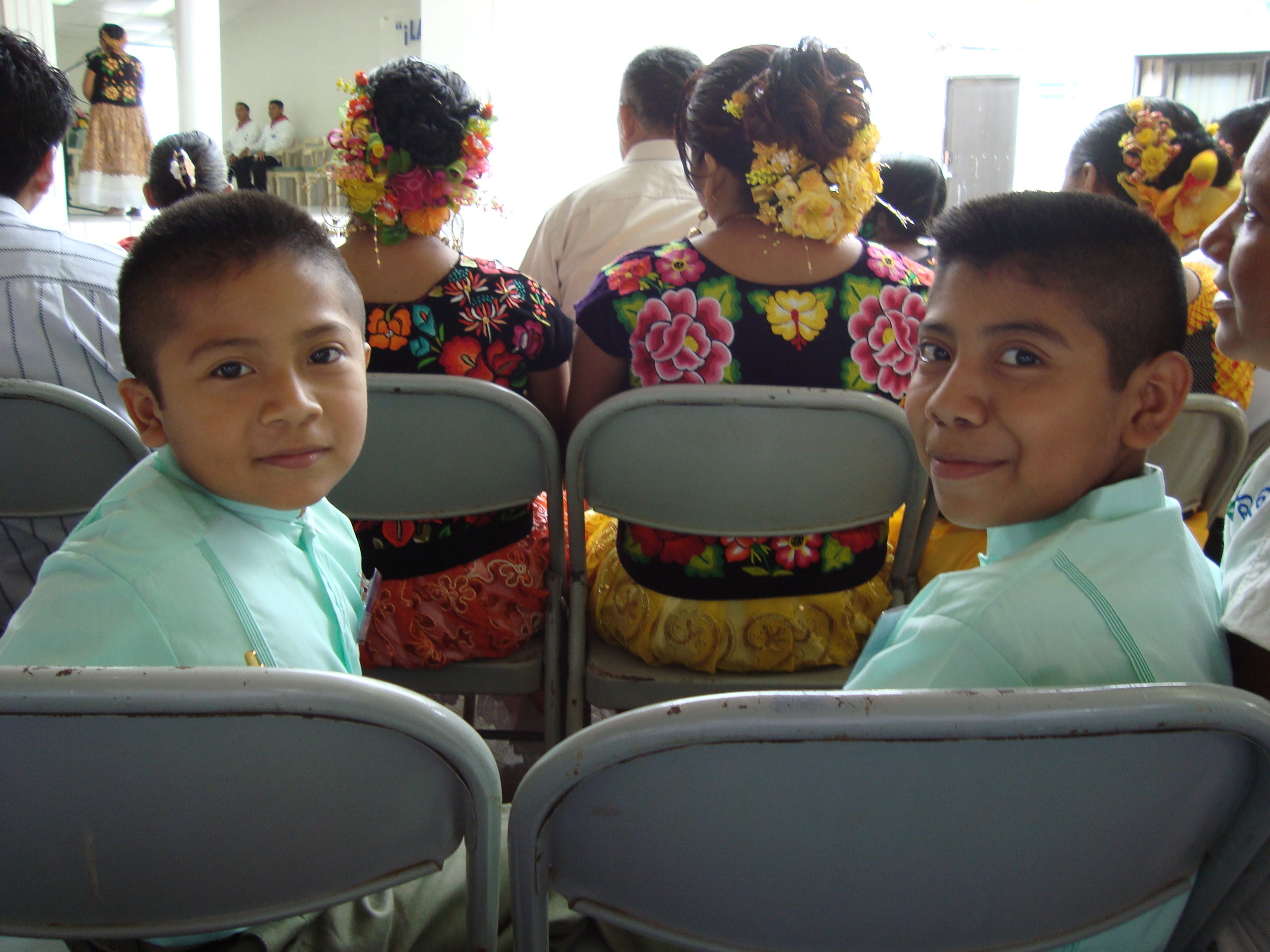
Zapotec peoples
PeopleWikipedia
34
MENTIONS
22
EPISODES
22
PODCASTS
Search complete. 34 mentions across 22 episodes found for "Zapotec peoples".
Nov 6, 2026

Lorena RuizNARRATOR
The Mexican biobank has demonstrated remarkable genetic heterogeneity across the country, with different proportions of indigenous American, European, and African ancestry, and substantial regional structure within indigenous ancestry.
Lorena RuizNARRATOR
More recent analyses have identified regional differences in clinically relevant allele frequencies associated with local indigenous ancestry, including Nahua, Zapotec, and Maya contributions.
Lorena RuizNARRATOR
Thus, even Mexican, much less Hispanic or Latino, may be genetically too broad for certain forms of molecular interpretation.
Lorena RuizNARRATOR
A mutation may remain uncertain because insufficient population-specific information exists.

Lorena ReynosoGUEST
It's very different.
Lorena ReynosoGUEST
And one thing that happens is that people are still more attached to their native philosophies and their native history, mostly, and native culture, right? So there's still more Nahua speaking and different Zapotec, Olmeca, not Olmeca, but other languages.
Lorena ReynosoGUEST
And...
Lorena ReynosoGUEST
when I was there, I was there until I was five.
5 MINS LATER
Lorena ReynosoGUEST
There's not just the Mexica.
Lorena ReynosoGUEST
Obviously, we start with the Olmecas back in the day, so many civilizations after.
Lorena ReynosoGUEST
We have Zapotecas, Mayachichimecas, so many.
Lorena ReynosoGUEST
Now, the reason that the word is Mexica versus Azteca is because Azteca is not incorrect.

Tiffany RossdaleHOST
secreto
MackieHOST
del río, which is also quite related to what we're talking about now because this was shoot or inspired by a group of indigenous people in Mexico, which is the Zapotec.
MackieHOST
And they have a third gender culture there and they called it mushe, mushe.
MackieHOST
And so this is about a kid who grew up in that very small village where there are still people who are very conservative.

speaker_2NARRATOR
Five people were killed in those shootings over two consecutive days again in Huchitan, Oaxaca.
speaker_2NARRATOR
The Saragosa, an indigenous Zapotec city located in Oaxaca's isthmus of Tehuantepec.
speaker_2NARRATOR
The killings occurred despite the deployment of additional state and federal security forces.
speaker_2NARRATOR
The most recent victim was a student at the Instituto Tecnológico de Istmo, the technology institute.

Kim McCallisterHOST
In Oaxaca City, there are three cemeteries where all-night vigils take place during Day of the Dead celebrations.
Kim McCallisterHOST
There's a festival and Zapotec indigenous variation of this in Huatulco on the Yucatan Peninsula.
Kim McCallisterHOST
You can discover how Maya ceremonies went down on Day of the Dead.
Kim McCallisterHOST
There's a festival of life and death at something called Xcaret, with music and dance and food performances and all kinds of Mexican traditions.

Josefina MassaGUEST
I'm born in the city of Oaxaca.
Josefina MassaGUEST
My family is He's from Oaxaca, from Ixtecos to Zapotecos lineage.
Josefina MassaGUEST
My grandparents, mother and mother, they were curanderos, too.
Josefina MassaGUEST
Ixobadones.

Agustín García-López LoaezaGUEST
So what do we do now? So these fantastic artists came, and they are actually working now, and they're going to put everything together, and you will see it tonight.
Agustín García-López LoaezaGUEST
And the thing is that they represent what we have done since the revolution, which is that we knew that there was all these fantastic traditions that our ancient civilizations had, you know, the Olmecs, the Mayas, the Zapotecas, the Aztecs.
Agustín García-López LoaezaGUEST
But then the artists were given these colonial buildings, these, you know, the viceroyal buildings, amazing buildings in Mexico who were, you know, the Ministry of Education, the National Palace, and so on.
Agustín García-López LoaezaGUEST
And this fantastic Vasconcelos, who was the minister of culture, he said, I gave you these colonial buildings.

Jeffrey H. CohenGUEST
And it happened to be a village that was also, it had an indigenous history.
Jeffrey H. CohenGUEST
So the folks that lived in the village, the majority were Zapotec speakers.
Jeffrey H. CohenGUEST
They were bilingual, speaking their language and speaking Spanish.
Jeffrey H. CohenGUEST
I did my work with them in Spanish.
Jeffrey H. CohenGUEST
But beyond that, they were really different.
Jeffrey H. CohenGUEST
One of the things that we started to do towards the latter years of the project is we started to ask people very specifically about their backgrounds, their ethnic backgrounds and where they came from.
Jeffrey H. CohenGUEST
And it was surprising that while we would occasionally meet somebody who would say, well, my grandparents were Zapotec or had a few people that came from other backgrounds to meet Jack or he had a family that was Chiquino.
Jeffrey H. CohenGUEST
Everybody said, we're just Mestizos.

Jeffrey CohenGUEST
And it happened to be a village that was also, it had an indigenous history.
Jeffrey CohenGUEST
So the folks that lived in the village, the majority were Zapotec speakers.
Jeffrey CohenGUEST
They were bilingual, speaking their language and speaking Spanish.
Jeffrey CohenGUEST
So I did my work with them in Spanish.
Jeffrey CohenGUEST
But beyond that, they were really different.
Jeffrey CohenGUEST
One of the things that we started to do towards the latter years of the project is we started to ask people very specifically about their backgrounds, their ethnic backgrounds and where they came from.
Jeffrey CohenGUEST
And it was surprising that while we would occasionally meet somebody who would say, well, my grandparents were Zapotec, or had a few people that came from other backgrounds to meet Zapotec, or he had a family that was Chiquino, everybody said we're just mestizo, we're Mexican.
Jeffrey CohenGUEST
And they were very proud of just being, you know, we're Mexican.

Jeffrey H. CohenGUEST
And it happened to be a village that was also, it had an indigenous history.
Jeffrey H. CohenGUEST
So the folks that lived in the village, the majority were Zapotec speakers.
Jeffrey H. CohenGUEST
They were bilingual, speaking their language and speaking Spanish.
Jeffrey H. CohenGUEST
So I did my work with them in Spanish.
Jeffrey H. CohenGUEST
But beyond that, they were really different.
Jeffrey H. CohenGUEST
One of the things that we started to do towards the latter years of the project is we started to ask people very specifically about their backgrounds, their ethnic backgrounds and where they came from.
Jeffrey H. CohenGUEST
And it was surprising that while we would occasionally meet somebody who would say, well, my grandparents were Zapotec or We had a few people that came from other backgrounds to meet Jack or he had a family that was Chiquino.
Jeffrey H. CohenGUEST
Everybody said we're just Mestizo or we're Mexican.
12 more episodes mention Zapotec peoples.
Create an account to see the whole feed, search across every transcript, and follow the entities you care about.