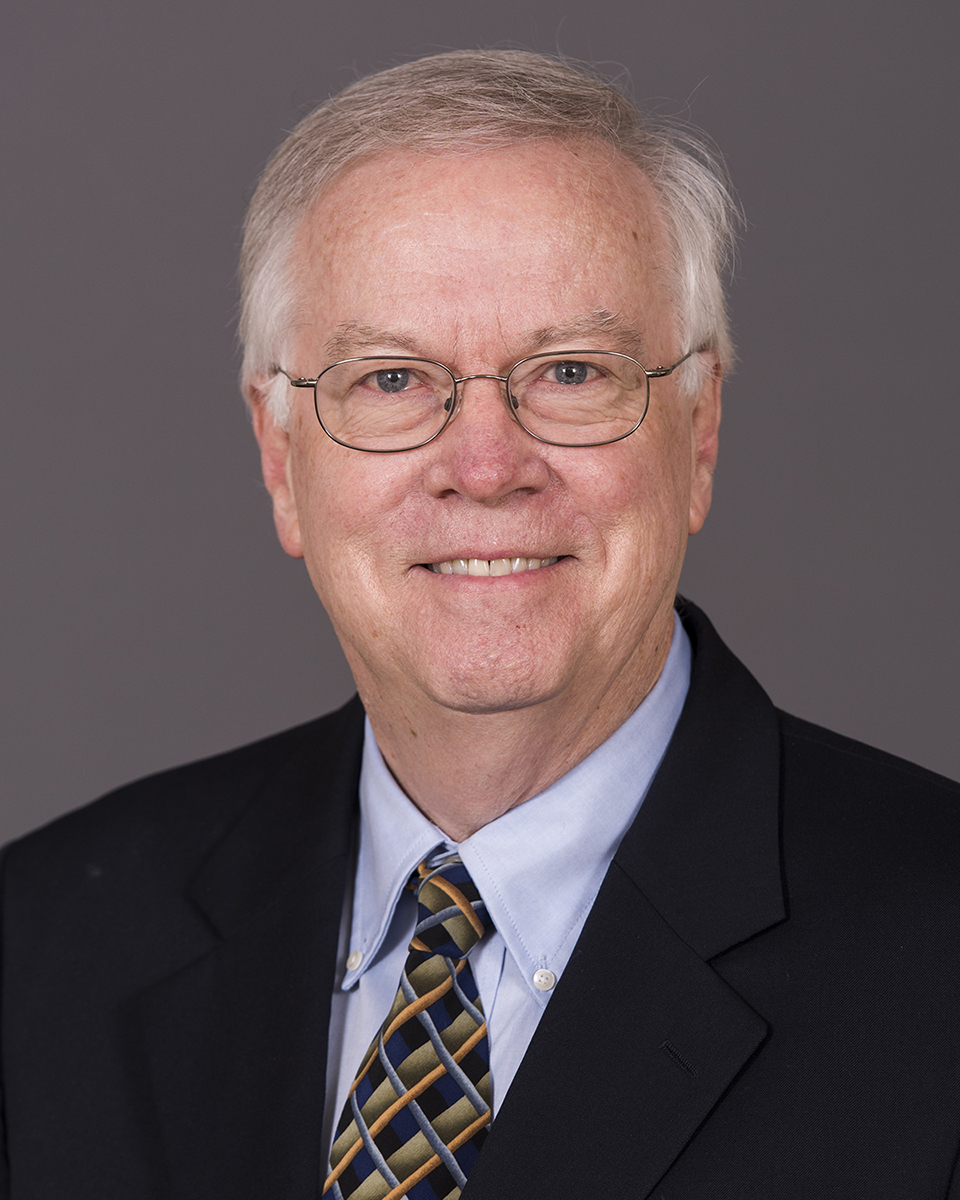
William J Doherty
Author
13
MENTIONS
8
EPISODES
8
PODCASTS
Search complete. 13 mentions across 8 episodes found for "William J Doherty".
Oct 9, 2026

Albert MohlerHOST
Quote, "Many experts believe estrangement between adult children and their parents are becoming an epidemic in the US just like divorce in the 1970s.
Albert MohlerHOST
Much like then, the movement is driven by a convergence of large societal trends, this time the rise of social media algorithms, changing therapeutic approaches, and a broadening definition of trauma." William Doherty, a therapist and professor emeritus of family social science at University of Minnesota, says, quote, "We are at a cultural tipping point.
Albert MohlerHOST
A confluence of forces is leading to certain actions and choices that were considered taboo before now becoming acceptable and even celebrated, and then they spread via social contagion." All right, listen to this.
Albert MohlerHOST
One Cornell sociologist has now estimated that 10% of the US population is estranged from or has cut ties with a parent or child at any given time, while 25% report themselves as estranged from any close relative.

Don SwansNARRATOR
This time, the rise of social media algorithms, changing therapeutic approaches, and a broadening definition of trauma.
Don SwansNARRATOR
We're at a cultural tipping point, said William Doherty, therapist and professor emeritus of family social science at the University of Minnesota.
Don SwansNARRATOR
A confluence of forces is leading to certain actions and choices that were considered taboo before now becoming acceptable and even celebrated.
Don SwansNARRATOR
And then they spread via social contagion.

Don SwansNARRATOR
This time, the rise of social media algorithms, changing therapeutic approaches, and a broadening definition of trauma.
Don SwansNARRATOR
"We're at a cultural tipping point," said William Doherty, therapist and professor emeritus of family social science at the University of Minnesota.
Don SwansNARRATOR
A confluence of forces is leading to certain actions and choices that were considered taboo before now becoming acceptable and even celebrated, and then they spread via social contagion.
Don SwansNARRATOR
Post-pandemic statistics on estrangement are hard to come by.

Alex NicholsGUEST
Why would that be happening right now? It doesn't make sense.
Will MenakerHOST
Well, it says, "We're at a cultural tipping point," says William Doherty, a therapist and a professor emeritus of family social science at the University of Minnesota.
Will MenakerHOST
"A confluence of forces is leading to certain actions and choices that were considered taboo before now become acceptable and even celebrated as they spread via social contagion." And what I think this attitude here is that, like, it's all just, like, sort of, like, therapy culture and, like, you know, millennials and zoomers who, like, care too much about their individuality and blame everything on their parents.
Will MenakerHOST
Therapists-

Catherine Ducommun-NagyGUEST
On that basis, I'm fairly positive about the model being able to survive without requiring any changes, where other models might require a lot of changes just to these new findings.
Catherine Ducommun-NagyGUEST
And as far as Ivan's wish for the future, basically, he had expressed that in an interview with Bill Doherty at an AMF long time ago, but I think his message is still valid for me, which is that family therapy as such, systemic family therapy, contextual therapy, should actually shed a light to the determinants, if you want, of health and illness.
Catherine Ducommun-NagyGUEST
that somehow that should be the model to think about health and illness, about health and mental health and mental illnesses, and that it should also serve as a guideline to inspire institutions.
Eli KaramHOST
Well said.
Eli KaramHOST
You mentioned the Bill Doherty early 1990 series at the AMFT national conferences.
Eli KaramHOST
That is, I've said on the show many times, and Bill and I have talked, that was one of the forerunners and inspirations for this podcast series.
Eli KaramHOST
So I believe you've captured your husband's professional legacy very well in that question.
Manijeh DaneshpourGUEST
I did not.

Mona FishbaneGUEST
That's part of our job.
Mona FishbaneGUEST
But how much do we allow them or encourage them also to look at the impact of their behavior on other people, right? Bill Doherty wrote a book called The Ethical Life of Clients, which is a beautiful book.
Mona FishbaneGUEST
I'm not Bill Doherty.
Mona FishbaneGUEST
Yeah, Bill Doherty.
Mona FishbaneGUEST
And he said, our clients are often talking to us about their moral dilemmas, but we don't want to listen to them necessarily because that's not the realm of therapy.
Mona FishbaneGUEST
Again, I don't think it's the job of the therapist to guilt trip or to lecture or to tell people how they should behave.

Dave RubinHOST
This time, the forces are social media algorithms, new therapy fads, and a definition of trauma that keeps expanding.
Dave RubinHOST
William Doherty, therapist and professor emeritus of family social science at the University of Minnesota: "We're at a cultural tipping point.
Dave RubinHOST
A confluence of forces is leading to certain actions and choices that were considered taboo before now becoming acceptable and even celebrated, and then they spread via social contagion." Hard post-pandemic numbers are scarce.
Dave RubinHOST
Karl Pillemer's twenty-twenty book Fault Lines found ten percent of Americans estranged from a parent or child at any given time, and twenty-five percent cut off from some close relative.

David LappGUEST
Braver Angels was founded in 2016. during the midst of the intensity of the 2016 election.
David LappGUEST
And we knew that we were, it was really the brainchild of our first president, David Blankenhorn, and then Bill Doherty, one of our co-founders, and myself, and others, we helped to start it.
David LappGUEST
But it was really, the idea was, okay, so we've got growing political polarization in the U.S. for at least a couple of decades now.
David LappGUEST
and you know coming to a kind of crescendo in 2016 at the time and we were figuring out you know what we wanted to do we knew we wanted to found an organization that was addressing polarization head-on but you know where are we going to be a most uh kind of an academic organization you know bringing together scholars to study and talk about it or a grassroots organization bringing together ordinary people so the 2016 election results were in trump was elected and um David Blankenhorn lives in Upper West Side, New York City.
David LappGUEST
And I said, let's do it.
David LappGUEST
And so we met at the South Lebanon Community Center here in Ohio, and that's exactly what we did.
David LappGUEST
Our friend Bill Doherty, who's a lifelong marriage and family therapist, he put together, he designed a what we know now as our first red-blue workshop.
David LappGUEST
So we went along and we started doing more workshops like that.