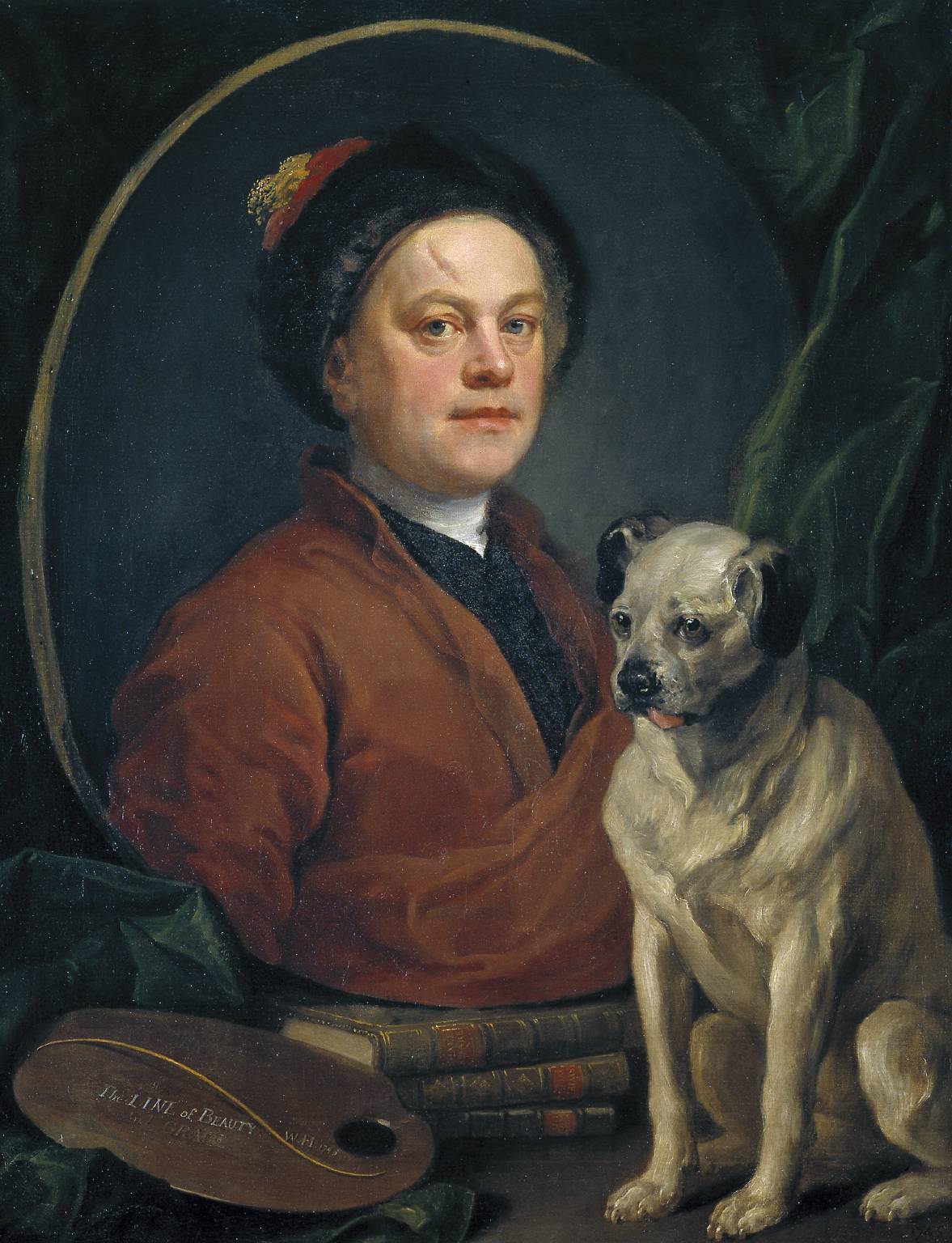
William Hogarth
English painter and engraverWikipedia
46
MENTIONS
24
EPISODES
23
PODCASTS
Search complete. 46 mentions across 24 episodes found for "William Hogarth".
Sep 14, 2026

Betty B.NARRATOR
the americans use much tea noted the abbe robin during his visit to this country in seventeen eighty one the greatest mark of civility and welcome they can show you is to invite you to drink it with them tea was the social beverage of the eighteenth century serving it was a sign of politeness and hospitality and drinking it was a custom with distinctive manners and specific equipment most discussions of the commodity have dealt only with its political historical or economic importance however in order to understand the place tea holds in this country's past it also is important to consider the beverage in terms of the social life and traditions of the americans as the abbe robin pointed out not only was tea an important commodity on this side of the atlantic but the imbibing of it was an established social practice an examination of tea-time behavior and a consideration of what utensils were used or thought appropriate for tea-drinking are of help in reconstructing and interpreting american history as well as in furnishing and recreating interiors of the period thus bringing into clearer focus the picture of daily life in eighteenth-century america for these reasons and because the subject has received little attention the present study has been undertaken tea had long been known and used in the orient before it was introduced into europe in the early part of the seventeenth century at about the same time two other new beverages appeared chocolate from the americas and coffee from the near east the presence of these commodities in european markets is indicative of the vigorous exploration and active trade of that century which also witnessed the successful settlement of colonies in north america by about mid seventeenth century the new beverage was being drunk in england and by the sixteen nineties were being sold in new england at first chocolate was preferred but coffee being somewhat cheaper soon replaced it and in england gave rise to a number of public places of refreshment known as coffee-houses coffee was of course the primary drink of these establishments but that tea also was available is indicated by an advertisement that appeared in an english newspaper in sixteen fifty eight One of the earliest advertisements for tea, it announced, that excellent and by all physicians approved China drink, called by the Chineans cha, by other nations te, alias tea, is sold at the Sultan's Head, a coffee-house in Sweetings, rents by the Royal Exchange, London.
Betty B.NARRATOR
for a time tea was esteemed mainly for its curative powers which explains why it was by all physicians approved according to an english broadside published in sixteen sixty the numerous contemporary ailments which tea helpeth include the headaches giddiness and heaviness it was also considered good for colds dropsies and scurvies and it expelleth infection it prevents and cures agues surfeits and fevers by the end of the seventeenth century however tea's medicinal qualities had become secondary to its fashionableness as a unique drink tea along with the other exotic and novel imports from the orient such as fragile porcelains lustrous silks and painted wall-papers had captured the european imaginations though the beverage was served in public pleasure gardens as well as coffee-houses during the early seventeen hundreds in england social tea-drinking in the home was gradually coming into favour the coffee-houses continued as centres of political social and literary influence as well as of commercial life into the first half of the nineteenth century for apparently englishmen preferred to drink their coffee in public rather than private houses and among male rather than mixed company this was in contrast to tea which was drunk in the home with breakfast or as a morning beverage and socially at afternoon gatherings of both sexes as we see in the painting an english family at tea as tea-drinking in the home became fashionable both host and hostess took pride in a well-appointed tea-table for a teapot of silver or fragile blue and white oriental porcelain with matching cups and saucers and other equipage added prestige as well as elegance to the tea-time ritual at first the scarcity and expense of the tea the costly paraphernalia used to serve it and the leisure considered necessary to consume it limited the use of this commodity to the upper classes for these reasons social tea-drinking was understandably a prestige custom one becomes increasingly aware of this when looking at english paintings and prints of the early eighteenth century such as family group painted by gowan hamilton about seventeen thirty family members are portrayed in the familiar setting of their own parlour with its panelled walls and comfortable furnishings their pet a small dog surveys the scene from a resting-place on a corner of the carpet tea time appears to have just begun for cups are still being passed around and others on the table await filling from the near-by porcelain teapot it seems reasonable to assume since the painting is portraiture that the family is engaged in an activity which although familiar is considered suitable to the group's social position and worthy of being recorded in oil that tea-drinking was a status symbol also is indicated by the fact that the artist has used the tea ceremony as the theme of the picture and the tea-table as the focal point eighteenth century pictures and writings are basic source materials for information about anglo-american tea-drinking see the chronological list of pictures consulted on page ninety a number of the pictures are small-scale group or conversation piece paintings of english origin in which family and friends are assembled at tea similar to family group and they provide pictorial information on tea-time modes and manners the surroundings in which the partakers of tea are depicted also reveal information about the period and about the gracious living enjoyed in the better homes panelled walls and comfortable chairs handsome chests and decorative curtains objects of ceramic and silver and glass all were set down on canvas or paper with painstaking care and sometimes with a certain amount of artistic licence a careful study of these paintings provides an excellent guide for furnishing and reconstructing period rooms and exhibits even to the small details such as objects on mantles tables and chests thus further documenting data from newspapers journals publications and writings of the same period in america as in england tea had a rather limited use as a social beverage during the early seventeen hundreds judge samuel sewell the recorder extraordinary of boston life at the turn of the seventeenth century seems to have mentioned tea only once in his copious diary in the entry for april fifteenth seventeen o nine se wrote that he had attended a meeting at the residence of madame winthrop where the guests drunk ale tea wine at this time ale and wine in contrast to tea were fairly common drinks since tea and the equipment used to serve it were costly social tea-drinking was restricted to the prosperous and governing classes who could afford the luxury the portrayal of the rotund silver teapot and other tea-drinking equipment in such an american painting as susanna truax done by an unknown painter in seventeen thirty indicates that in this country as in england not only was the tea ceremony of social importance but also that a certain amount of prestige was associated with the equipage and the very fact that an artist was commissioned for a portrait of this young girl is suggestive of a more than ordinary social status of the sitter and activity depicted english customs were generally imitated in this country particularly in the urban centres of boston where he visited in seventeen forty joseph bennett observed that the ladies here visit drink a tea and indulge every little piece of gentility to the height of the mode and neglect the affairs of their families with as good grace as the finest ladies in london English modes and manners remained a part of the social behavior after the colonies became an independent nation.
Betty B.NARRATOR
Visitors to the newly formed United States were apt to remark about such habits as tea-drinking, as did Brissot de Vauvel in 1788, that in this, as in their whole manner of living, the Americans in general resemble the English.
Betty B.NARRATOR
Therefore, it is not surprising to find that during the 18th century, the serving of tea privately in the morning and socially in the afternoon or early evening was an established custom in many households.
10 MINS LATER
Betty B.NARRATOR
many people gave up tea for the duration of the war and offered various substitute beverages such as coffee and dried raspberry leaves a detestable drink which the americans had the heroism to find good remarked a post-war visitor leon although the colonists had banished tea with enthusiasm the tea habit was not forgotten chateau further noted that they all drink tea in america as they drink wine in the south of france tea drinking continued to be an important social custom in the new nation well into the nineteenth century the tea ceremony sometimes simple sometimes elaborate was the very core of family life moreau de saint-merry observed in seventeen ninety five during his residence in philadelphia that the whole family is united at tea to which friends acquaintances and even strangers are invited that tea-time hospitality was offered to the newest of acquaintances or even strangers is verified by claude blanchard he wrote of his visit to newport r i on july twelfth seventeen eighty that in the evening there was an illumination i entered the house of an inhabitant who received me very well i took tea there which was served by a young lady and while staying in boston blanchard mentioned that a new acquaintance invited us to come in the evening to take tea at his house we went there the tea was served by his daughter in the daily routine of activities when the hour for tea arrived moreau de saint-merry remarked that the mistress of the house serves it and passes it around in the words of another late eighteenth-century diarist the marquis de barbet-morbois those present might seat themselves at a spotless mahogany table and the eldest daughter of the household or one of the youngest married women makes the tea and gives a cup to each person in the company family group provides an illustration of this practice in the early part of the century during the tea-hour social and economic affairs were discussed gossip exchanged and according to barbet marbois when there is no news at all they repeat old stories many entries in nancy shippen's journal between seventeen eighty three and seventeen eighty six indicate that this philadelphian passed many such hours in a similar manner on march eleventh seventeen eighty five she wrote about four in the afternoon dr cutting came in and we spent the afternoon in the most agreeable chit-chat manner drank a very good dish of tea together and then separated part of an undated entry in december seventeen eighty three reads this afternoon we were honoured with the company of general washington to tea mrs and major moore mrs stewart mr powell mr b washington and two or three more if acquaintances of nancy's own age were present or the company large the tea-hour often extended well into the evening with singing conversing dancing and playing of whist chess or cards of one such occasion she wrote mrs allen and miss jews drank tea with me and spent the evening there was half a dozen agreeable and sensible men that was of the party the conversation was carried on in the most sprightly agreeable manner the ladies bearing by far the greatest part till nine when cards was proposed and about ten refreshments were introduced which concluded the evening Obviously, young men and women enjoyed the sociability of tea time, for it provided an ideal occasion to get acquainted.
Betty B.NARRATOR
When the Marquis de Chastellux was in Philadelphia during the 1780s, he went one afternoon to take tea with Madame Shippen, and found musical entertainment to meet with his approval, and a relationship between the sexes which had parental sanction.
Betty B.NARRATOR
one young miss played on the clavichord and miss shippen sang with timidity but a very pretty voice accompanied for a time by monsieur otto on the harp dancing followed noted the marquis while mothers and other grave personages conversed in another room in new york as in philadelphia tea time was an important part of the younger set's social schedule eliza bone writing to her sister in january eighteen ten reported that as to news new york is not so gay as last winter few balls but a great many tea parties the feminine interest and participation in such gatherings of personable young men and attractive young women was expressed by nancy shippen when she wrote in her journal after such a party saturday night at eleven o'clock i had a very large company at tea this evening the company is but just broke up i don't know when i spent a more merry evening we had music cards and so forth a masculine view of american tea parties was openly voiced by one foreign visitor prince de broglie who upon arrival in america in seventeen eighty two only knew a few words of english but knew better how to drink excellent tea with even better cream how to tell a lady she was pretty and a gentleman he was sensible by reason whereof i possessed all the elements of social success similar feelings were expressed by the comte de saigueur during his sojourn in america in the late eighteenth century when in a letter to his wife in france he wrote my health continues excellent despite the quantity of tea one must drink with the ladies out of gallantry and of madeira all day long with the men out of politeness festive tea parties such as the ones described above are the subject of some of the group portraits or conversation pieces painted about seventeen thirty by the english artist william hogarth the assembly at vonstead house now in the philadelphia museum of art illustrates quite an elegant affair taking place in a large richly decorated english interior the artist has filled the canvas with people standing and conversing while a seated group place cards at a table in the centre of the room to one side near the fireplace a man and two women drinking tea are seated at an ornately carved square tea-table with a matching stand for the hot-water kettle on a dish or circular stand in the centre of the table is a squat teapot with matching cups and saucers arranged in parallel rows on either side tea drinking guests seem to have been free to sit or stand according to their own pleasure or the number of chairs available and barbet marbois noted that at american tea parties people change seats some go others come the written and visual materials offer little in the way of evidence to suggest that in general men stood and women sat during tea-time in fact places at the tea-table were taken by both sexes even at formal tea-parties such as the one depicted in the assembly at vonstead house a less formal but more usual tea-scene is the subject of another hogarth painting the wollaston family now in the leicester art gallery england the afternoon gathering has divided into two groups one playing cards the other drinking tea an atmosphere of ease and comfort surrounds the party the men and women seated at the card table are discussing the hand just played while the women seated about the square tea table in front of the fireplace are engaged in conversation a man listens as he stands and stirs his tea each drinker holds a saucer with a cup filled from the teapot on a square tile or stand in the centre of the table one woman is returning her cup turned upside down on the saucer to the table more about this particular habit later the same pleasant social atmosphere seen in english paintings seems to have surrounded tea-time in america as the previously cited entries in nancy shippen's journal book suggest her entry for january eighteenth seventeen eighty four supplies a description that almost matches the wollaston family a stormy day alone till the afternoon and then was honoured with the company of mr jones a gentleman lately from europe mr duponceux and mr harlingsworth at tea we conversed on a variety of subjects and played at whist upon the whole spent an agreeable evening Tea was not only a beverage of courtship, it also was associated with marriage.
Betty B.NARRATOR
Both Peter Combe in 1750 and Moreau de Saint-Marie in the 1790s report the Philadelphia custom of expressing good wishes to a newly married couple by paying them a personal visit soon after the marriage.

Alex SchmidtHOST
There's a myth about so-called calendar riots in England.
Alex SchmidtHOST
And apparently it's all based on a satirical work by a writer named Lord Chesterfield and satirical work by the artist William Hogarth, just getting over-interpreted as facts.
Alex SchmidtHOST
But nobody actually burned down England over it.
Katie GoldinHOST
Right, right.
31 MINS LATER
Alex SchmidtHOST
I also recommend my co-host Katie Golden's weekly podcast, Creature Feature, about animals, science, and more.
Alex SchmidtHOST
Our theme music is Unbroken Unshaven by the Budos Band.
Alex SchmidtHOST
Our show logo is by artist Burton Durand.
Alex SchmidtHOST
Special thanks to Chris Souza for editing this episode.

speaker_1ADVERTISER
enough for a man to hit him i he i can't ford fool away any more amnition on him
speaker_3NARRATOR
that was why he stopped at the seventeenth round and it was a good plain matter-of-fact reason too and one that easily commends itself to us by the eloquent persuasive flavor of probability there is about it i always enjoyed the story-book narrative but i felt a marring misgiving that every indian at braddock's defeat who fired at a soldier a couple of times too easily grows to seventeen in a century and missed him jumped to the conclusion that the great spirit was reserving that soldier for some grand mission and so i somehow feared that the only reason why washington's case is remembered and the others forgotten is that in his the prophecy came true and in that of the others it didn't there are not books enough on earth to contain the record of the prophecies indians and other unauthorized parties have made but one may carry in his overcoat pockets the record of all the prophecies that have been fulfilled i will remark here in passing that certain ancestors of mine are so thoroughly well known in history by their aliases that i have not felt it to be worth while to dwell upon them or even mention them in the order of their birth among these may be mentioned richard brinsley twain alias guy fawkes john wentworth twain alias sixteen string jack william hogarth twain alias jack shepherd ananias twain alias baron munchausen john george twain alias captain kidd and then there are george francis train tom pepper nebuchadnezzar and balan's ass they all belong to our family but to a branch of it somewhat distantly removed from the honorable direct linemdash in fact a collateral branch whose members chiefly differ from the ancient stock in that in order to acquire the notoriety we have always yearned and hungered for they have got into a low way of going to jail instead of getting hanged it is not well when writing an autobiography to follow your ancestry down too close to your own time it is safest to speak only vaguely of your great-grandfather and then skip from there to yourself which i now do i was born without teeth and there richard the third had the advantage of me but i was born without a humpback likewise and there i had the advantage of him my parents were neither very poor nor conspicuously honest but now a thought occurs to me my own history would really seem so tame contrasted with that of my ancestors that it is simply wisdom to leave it unwritten until i am hanged if some other biographies i had read had stopped with the ancestry until a like event occurred it would have been a felicitous thing for the reading public how does it strike you a burlesque autobiography This is Section 2 of Mark Twain's Burlesque Autobiography and First Romance by Mark Twain.
speaker_3NARRATOR
mark twain's burlesque biography and first romance by mark twain section two awful terrible medieval romance chapter i the secret revealed it was night stillness reigned in the grand old feudal castle of klugenstein the year twelve twenty two was drawing to a close
speaker_2ADVERTISER
Turn your day into a casino day.

MomHOST
There is a famous story that angry crowds demanded, give us our 11 days.
MomHOST
The phrase even appears in a painting by William Hogarth.
MomHOST
But historians debate whether the enormous calendar riots described in later stories really happened the way people imagine them.
DanielHOST
So, even the story about people being confused by the calendar is confusing.

ChrisHOST
Charles Mackay, in his famous 1841 book on the delusions of crowds, listed the case among the outright frauds, accomplices of the drummer plus a gullible master of the house.
ChrisHOST
Earlier still, the painter William Hogarth had mocked the whole of English ghost belief, Tedworth included, in a biting engraving.
ChrisHOST
And when the early ghost hunters of the Society for Psychical Research finally re-examined the case, they turned their suspicion no longer on the beggar, but inward on the children of the house.
ChrisHOST
The researcher Andrew Lang noted dryly that the drummer had been suspected, but the real agents were probably the children.

Hazel BakerHOST
Captain Godfrey, writing about the art of defence, praised him as the Atlas of the Sword, a man of strength, resolution and judgment.
Hazel BakerHOST
He was also painted by William Hogarth.
Hazel BakerHOST
Hogarth was one of the great observers of 18th century London.
Hazel BakerHOST
Sharp, funny, morally complicated, endlessly interested in the city's crowds and contradictions.

Brad GeigerHOST
Yeah
Dave KellettHOST
... and see what happens." And so Brad would be like, "Okay, well, yeah, so I mean, that's true that, that Hogarth did do that, the, you know, etching process, but then, you know, Gilray did it different." I'd be like, "Yeah, that's right.
Dave KellettHOST
But did you like, which way did you like better, Brad?" He was already asleep mid-conversation.
Brad GeigerHOST
[laughs]
9 MINS LATER
Dave KellettHOST
And really, really fun, uh, display.
Dave KellettHOST
They had this section that's literally the history of sequential art.
Dave KellettHOST
So it starts with Hogarth, and Gillray, and Cruikshank, and Thomas Nast.
Brad GeigerHOST
Mm-hmm.

speaker_5NARRATOR
Consumption fell and kept falling, and by the 1760s the crisis was over.
speaker_5NARRATOR
That same year, Hogarth published two prints meant to be seen side by side.
speaker_5NARRATOR
Beer Street shows prosperity, work and heavy healthy figures with tankards.
speaker_5NARRATOR
Gin Lane shows a collapsing parish, a pawnbroker thriving, and at its centre a woman on the steps, insensible, letting a child fall from her arms.
14 more episodes mention William Hogarth.
Create an account to see the whole feed, search across every transcript, and follow the entities you care about.