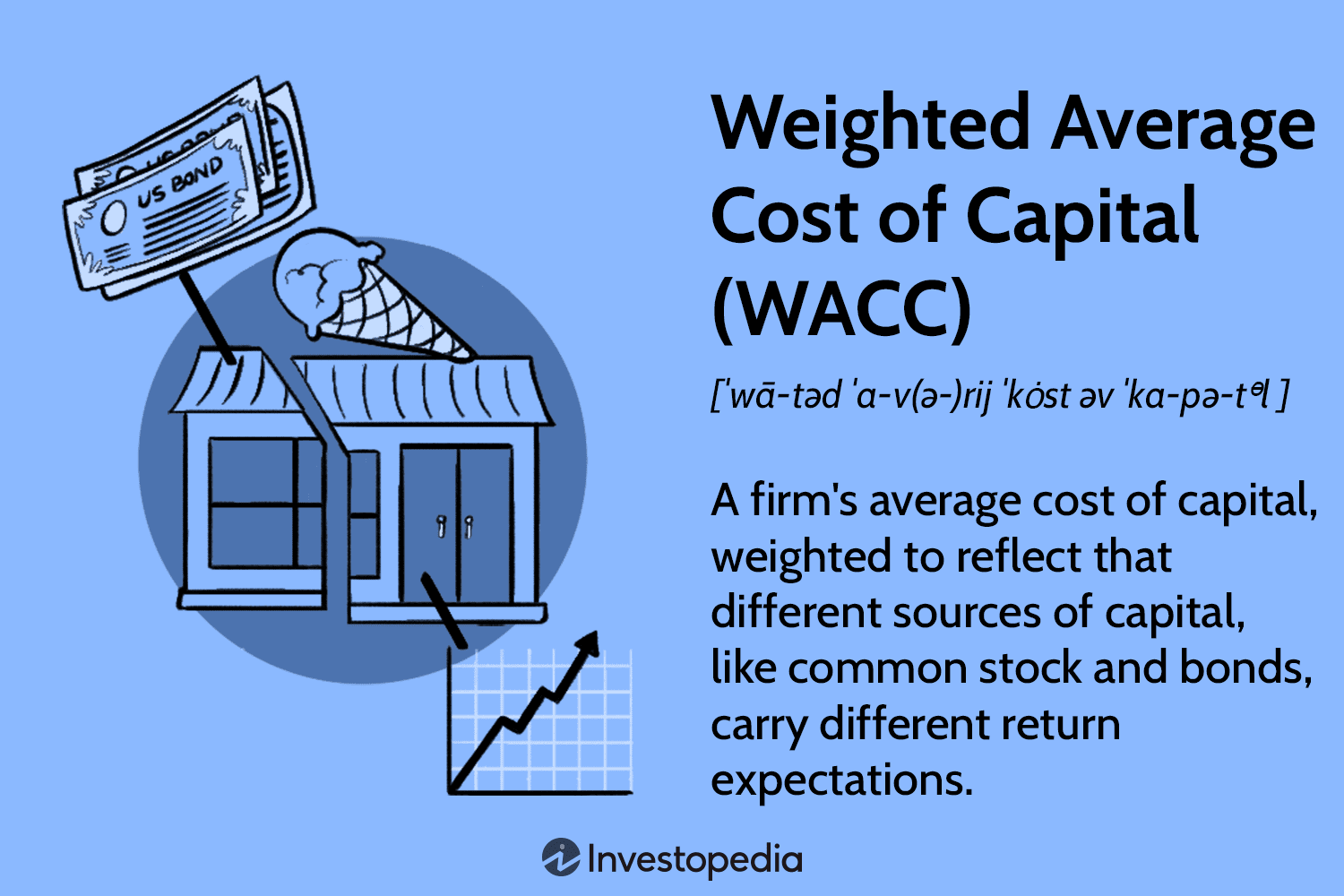
Weighted average cost of capital
35
MENTIONS
6
EPISODES
5
PODCASTS
Search complete. 35 mentions across 6 episodes found for "Weighted average cost of capital".
Sep 29, 2026

Chris NelderHOST
So for example, the report notes that there are five key components that impact the LCOE.
Chris NelderHOST
There's the upfront capital cost or CapEx, the ongoing operating costs, OpEx, the cost of financing, the WACC, the weighted average cost of capital, the performance or otherwise known as the capacity factor, which we've talked about on this show a little bit, and of course the project design life.
Chris NelderHOST
And the report notes that those LCOE costs have actually fallen faster than the capital costs.
Chris NelderHOST
And I wonder if this isn't another interesting methodological issue here, that the costs of these five key components of the LCOE have fallen faster than the so-called overnight capital cost, this fiction called a capital cost, of the plant itself, and that that in itself might have led to underforecasting wind's growth because most of that stuff was done in capacity terms.

Aswath DamodaranHOST
optimal, Dean? Okay.
DeanUNKNOWN
decreases the WACC and minimizes WACC.
Aswath DamodaranHOST
It minimizes the WACC.
Aswath DamodaranHOST
So optimal debt ratio is the one that yields the lowest WACC.
Aswath DamodaranHOST
So when a company is under 11, it has too little debt, it has a cost to capital higher than the option.
Aswath DamodaranHOST
That's bad, right? But let's say the company pushes back.

speaker_1HOST
Precisely.
speaker_1HOST
And this is why corporate finance departments spend so much time calculating their weighted average cost of capital, or WACC.
speaker_3HOST
WACC, right.
speaker_1HOST
They are constantly measuring what it costs them to borrow against the return on investment those borrowed funds can actually generate.
speaker_3HOST
So scaling that down to the personal level, taking out a massive student loan for a specialized medical degree might yield a massive ROI.
12 MINS LATER
speaker_1HOST
That is how debt is used at the highest levels of wealth building, not to purchase consumer goods, but to access liquidity while preserving asset growth.
speaker_3HOST
Man.
speaker_3HOST
So we've gone from a 12-word seemingly empty phrase to dissecting the mechanics of WACC, amortization, real estate leverage, and tax-free liquidity strategies.

speaker_1HOST
To fund that without draining their cash reserves, they had to choose a capital source.
speaker_1HOST
So they optimized a metric called the Weighted Average Cost of Capital, or WACC.
speaker_0HOST
Wait, let's get into the weeds on that.
speaker_0HOST
WACC, right?
speaker_1HOST
Yeah, WACC.
speaker_1HOST
The fundamental premise is that capital isn't free.
speaker_0HOST
Right.