Web application firewall
92
MENTIONS
27
EPISODES
25
PODCASTS
Search complete. 92 mentions across 27 episodes found for "Web application firewall".
Sep 11, 2026

Ben HarrisGUEST
Of course, one thing we've launched recently is our mitigation capability.
Ben HarrisGUEST
Given how quickly in the wild exploitation now happens, we're talking single-digit hours, because we've become, I think, well, uh, well used to kind of reproducing vulnerabilities at scale very quickly, especially now with the advent of AI, we can flip reproduction, so POCs, into WAF rules, IDS, IPS rules, and ultimately then push those automatically once we actually find a vulnerable VPN or mail server or similar.
Ben HarrisGUEST
So ultimately, uh, yeah-
Patrick GrayHOST
Yeah
6 MINS LATER
Patrick GrayHOST
Okay, that makes sense.
Patrick GrayHOST
I can s- absolutely see why someone would pay money for that, 100%.
Patrick GrayHOST
Um, the other side of this, though, is that there's, you know, you mentioned that there's, like, this WAF component to it, right? Is this a Watchtower-developed WAF that goes in front of an organization's applications, or are you just providing rules for existing WAFs? Like, how does that work?
Ben HarrisGUEST
So, so the big thing for us with mitigation at this point is that the challenge around remediation and kind of moving new things in is stability, availability, change controls for it.

Sam CurryGUEST
But
Ryan DonovanHOST
this is where the idea of WAF
Sam CurryGUEST
came from, the notion of web application firewalls.
Sam CurryGUEST
And at the same time, we can apply zero-trust principles, which is not just least privilege, which is what most people go to, it's also least function.

Aaron CampbellGUEST
If, um, if they're blocking at the network layer known bad actors, then some of those people don't even get the chance to try to break into your, uh, site.
Aaron CampbellGUEST
If they're then looking at requests that are coming in using some sort of WAF and identifying things like potential SQL injection, then even if your plugin h- is susceptible to that, it's maybe still safe.
Aaron CampbellGUEST
If they have something like Monarch that runs in the runtime layer that's looking at the behavior of the actual request and saying, "Oh, that looked safe, but what it's actually doing isn't," and it gets shut down there, again, your, your plugin, it doesn't matter if the plugin was vulnerable, it's you're protected anyway.
Aaron CampbellGUEST
Um, and, and, and I think that that kind of thing, you know, also things like virtual patching, you know, fixing your plugin for you even though you didn't realize it was needed.
Aaron CampbellGUEST
We, we, um, detect and remediate more malware than, than anyone else.
Aaron CampbellGUEST
Um, but, you know, you start by removing the malware, and then you say, "Well, how's that getting there?" And you, you know, you sort of move into the, the next layer up, looking at the, the runtime when, you know, PHP is actually writing the file to disk and being able to prevent that from happening.
Aaron CampbellGUEST
Um, and then stepping up into things like, well, when someone's doing that several times in a row, we should just block them at that network layer, and so our smart WAF does that.
Aaron CampbellGUEST
And so it's, it's really a layered approach for hosts.

Abby GobbinsGUEST
It's really low resource, and it means that you're completely covered for all of those user agents.
Abby GobbinsGUEST
Um, the other two things that I'd like to mention here, um, is double-checking, like, any WAF systems that you have.
Abby GobbinsGUEST
So for example, if you have CloudFair, uh, Cloudflare or Akamai, um, or any other kind of, like, similar web application firewalls, um, that are protecting your site, just making sure that you don't have any settings automatically turned on that you might need to toggle off.
Abby GobbinsGUEST
Um, so this could be, like, bot site mode, for example, um, or, or having AI scrapers and crawler toggle off.

BaluHOST
Option A, Amazon GuardDuty.
BaluHOST
Option B, AWS WAF.
BaluHOST
Option C, Amazon Inspector.
BaluHOST
And option D, AWS Shield Standard.
BaluHOST
Let's pause here.
BaluHOST
The correct answer is option B, AWS WAF, the web application firewall.
BaluHOST
And here's why it's right.
BaluHOST
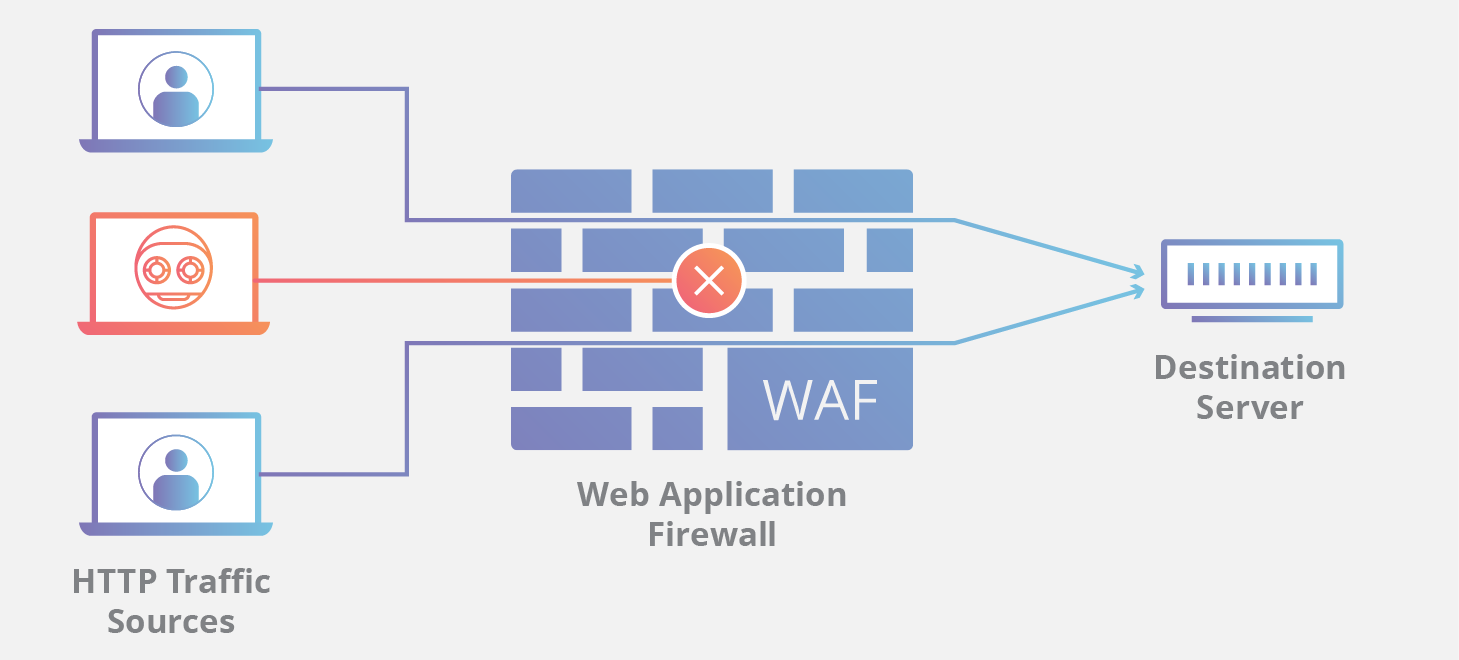
WAF is a web application firewall that lets you create rules to filter web traffic.

speaker_0HOST
None at all.
speaker_0HOST
Number three, the application layer.
speaker_0HOST
Update your SuperForms and Elementor Pro WordPress plugins right now and tune your WAFs to look for base 64 anomalies to stop a massive wave of automated remote code execution attacks deploying web shells.
speaker_1HOST
Those are the immediate tactical actions to secure your environment today.
speaker_1HOST
But I want to leave you with a strategic thought to mull over as you look at your own network architecture.

Aaron D. CampbellGUEST
We protect more than just WordPress, but obviously WordPress is a big part of that.
Aaron D. CampbellGUEST
And we help hosts keep their users, their end users, safe and secure and malware-free by monitoring the files, the runtime, having a WAF layer, sort of protecting it several different layers along the way.
Nathan WrigleyHOST
So is this kind of like a white label solution? You're in talks with hosts, many of which I'm sure we've heard of, but their purchase of the products and services that you sell is kind of white labeled? Yes, they may sell us as their
Aaron D. CampbellGUEST
own security product.

Aaron D. CampbellGUEST
We protect more than just WordPress, but obviously WordPress is a big part of that.
Aaron D. CampbellGUEST
And we help hosts keep their users, their end users, safe and secure and malware-free by monitoring the files, the runtime, having a WAF layer, sort of protecting it several different layers along the way.
Nathan WrigleyHOST
So is this kind of like a white label solution? You're in talks with hosts, many of which I'm sure we've heard of, but their purchase of the products and services that you sell is kind of white labeled? Yes, they may sell us as their
Aaron D. CampbellGUEST
own security product.

speaker_3UNKNOWN
Huskies is taking on a really interesting challenge.
speaker_3UNKNOWN
They're reinventing the Web Application Firewall, or WAF, layer.
speaker_3UNKNOWN
That technology was invented in Israel almost 30 years ago and has barely changed since.
speaker_3UNKNOWN
Huskies is injecting agentic AI into that infrastructure to modernize it.

Ryan LucasHOST
Like you've got these rules and, you know, there's certain rules.
Ryan LucasHOST
You only get certain capacities per like, I mean, mostly in WAF, not so much in network firewalls, but you know, like it's a thing that is nice to have when you need the metric to know if it's actually being hit or not.
Justin BrodleyHOST
AWS is launching their local zone in Las Vegas.
Justin BrodleyHOST
We talked about it when it was announced, but it's finally ready.
17 more episodes mention Web application firewall.
Create an account to see the whole feed, search across every transcript, and follow the entities you care about.