Earth water cycle
9
MENTIONS
2
EPISODES
2
PODCASTS
Search complete. 9 mentions across 2 episodes found for "Earth water cycle".
Oct 15, 2026

Rob AvisGUEST
That's the pattern of humanity over the last 10,000 years.
Rob AvisGUEST
And so the water cycles that we come in and repair as a company is mimicking what would have existed 10,000 years ago when you had an intact ecosystem.
Rob AvisGUEST
There were something like 400 million beavers living in North America before Europeans showed up.
Rob AvisGUEST
There was enough water stored behind beaver dams to cover Arizona and New Mexico entirely with a foot of water if you aggregated it into one area.
Rob AvisGUEST
And so we've systematically broken those water cycles.
Rob AvisGUEST
We killed all the beavers or most of them.
Rob AvisGUEST
And then we turn perennial grasslands and forest lands into corn, wheat, and soy, call them cash crops now.

speaker_2NARRATOR
The cold, dark summer of eighteen sixteen is said to have inspired Mary Shelley to write Frankenstein while she was staying indoors near Lake Geneva, kept inside by the relentless rain and gloom.
speaker_2NARRATOR
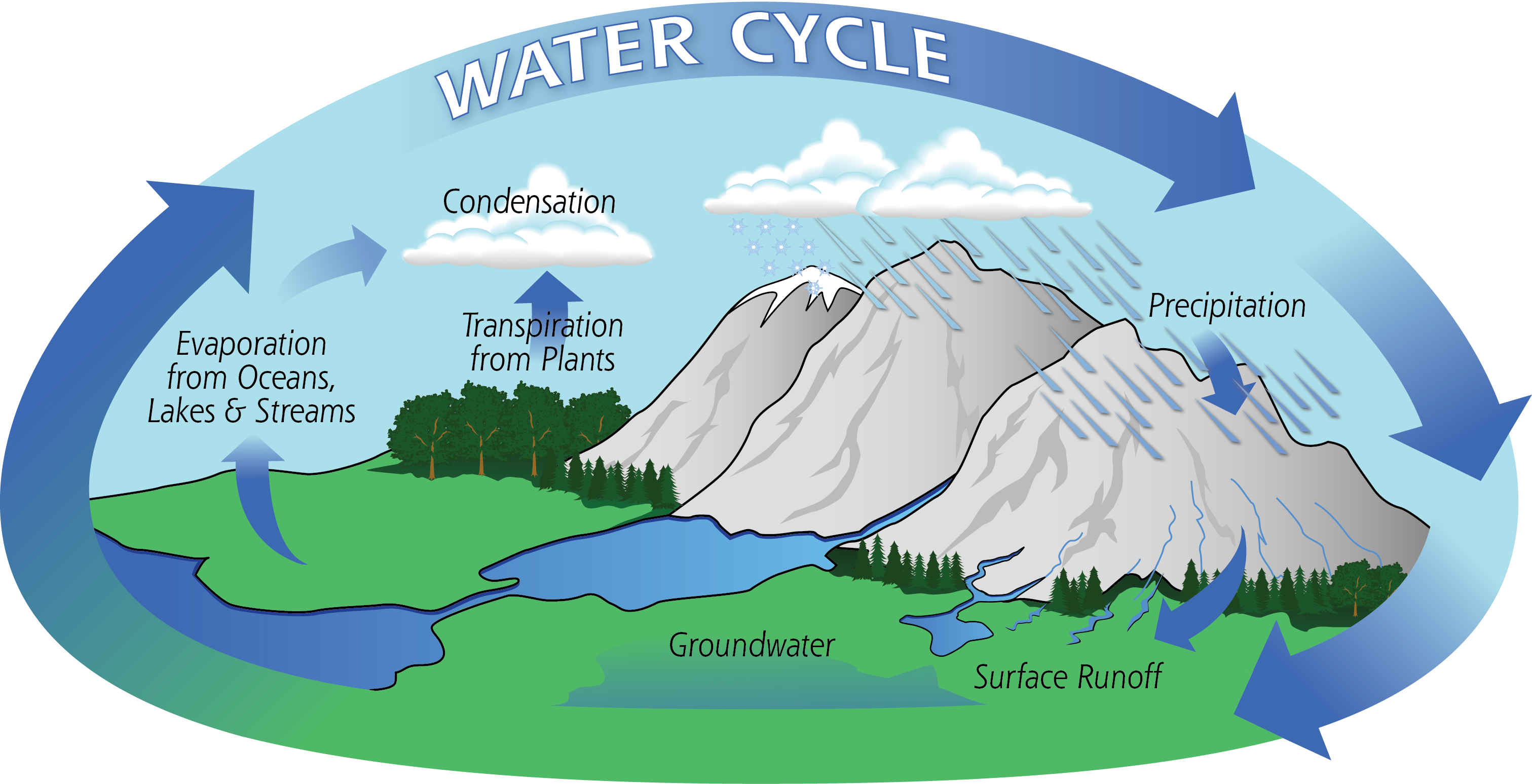
Snow plays a crucial role in the water cycle by acting as a natural reservoir that stores water during winter and releases it slowly during spring melt.
speaker_2NARRATOR
In many parts of the western United States, the majority of the annual water supply comes from snowmelt rather than direct rainfall.
speaker_2NARRATOR
The snowpack in the Sierra Nevada, Cascade Range, and Rocky Mountains feeds rivers, reservoirs, and aquifers that supply water to millions of people and vast agricultural regions.
1 HR 8 MINS LATER
speaker_2NARRATOR
The Martian polar ice caps are made of a combination of water ice and carbon dioxide ice, and they grow and shrink with the seasons.
speaker_2NARRATOR
On Titan, Saturn's largest moon, it is believed that hydrocarbon snow, possibly consisting of frozen methane or ethane, may fall from the moon's thick atmosphere.
speaker_2NARRATOR
Titan has a complete methane cycle similar to Earth's water cycle, with methane rain, rivers, lakes, and possibly snow, all at temperatures around minus one hundred and eighty degrees Celsius, where methane behaves much as water does here.
speaker_2NARRATOR
On Triton, Neptune's largest moon, geysers erupt nitrogen gas and dark particles that settle back onto the surface as a type of nitrogen snow.