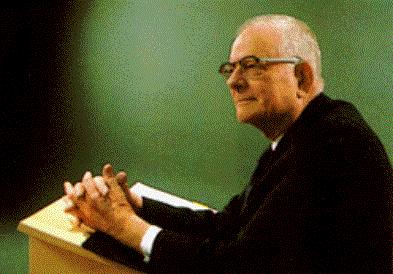
W. Edwards Deming
American composer and economistWikipedia
151
MENTIONS
31
EPISODES
24
PODCASTS
Search complete. 151 mentions across 31 episodes found for "W. Edwards Deming".
Sep 30, 2026

Jason SchroederHOST
so that's number one the other thing is everything that we put together is a system so that the first planner system uh the attack production system the last planner system which is not ours the last planner system is not ours i'm not taking credit for that um i want to be absolutely clear what i'm saying here what i'm saying here is we merge those together and those three together create the integrated production control system So that system well implemented, well articulated with the right support structure on a project site is the system.
Jason SchroederHOST
And we know from W. Edwards Deming that a bad system will beat a good person every time.
Jason SchroederHOST
But the paradox or the dichotomy or whatever you want to call it, I think I'm using the word dichotomy wrong, but if anybody has any advice, let me know.
Jason SchroederHOST
But the paradox here, I'll try and stick with that one, is that a bad system affects good people and will swallow them and eat them for breakfast.

Robert J. SmithHOST
And like most people, we started...
Robert J. SmithHOST
You, Edwards Deming, all through high school, college, all the way through.
Robert J. SmithHOST
And I learned the importance of putting systems in place.
Robert J. SmithHOST
That's how we had number one production with mobile oil, Coca-Cola, a half dozen Fortune 500 financial services companies.
Robert J. SmithHOST
And the cool thing is I wrote a book about systems and how to succeed as an entrepreneur or solopreneur.
Robert J. SmithHOST
And we rank number one and W. Edwards Demings has a book out and he ranked number three.
Robert J. SmithHOST
And it's cool when you're up there with your heroes.
Robert J. SmithHOST
And obviously he's been long gone, but they're still printing his books.
Robert J. SmithHOST
Yeah.
Robert J. SmithHOST
I grew up, it's funny, studying W. Edwards Deming and, you know, high school, college, all of that.
Robert J. SmithHOST
And then we actually, our first book that we wrote, we were number one.
Robert J. SmithHOST
One of his books was number two.

Josh ElvanderGUEST
Is that one of the big proponents of?
Ed PoundHOST
Edward Demings.
Ed PoundHOST
Yeah.
Ed PoundHOST
Edward Deming.

speaker_0HOST
So would you say that that is called work done well together?
Rich SheridanGUEST
Yes, I think Deming said it so well one time.
Rich SheridanGUEST
He said, all anyone asks for is a chance to work with pride, to go home and say, I got stuff done and
speaker_1HOST
I did it well.

Andrew StotzHOST
It's a great discussion and it's long overdue.
Andrew StotzHOST
And for listeners, remember to go to Deming.org and jump into Deming next to continue your journey.
Andrew StotzHOST
This is your host, Andrew Stonson.
Andrew StotzHOST
I'll leave you with one of my favorite quotes from Dr. Deming, which is, people are entitled to joy in work.

Andrew StotzHOST
My name is Andrew Stotz, and I'll be your host as we continue our journey into the teachings of Dr. W. Edwards Deming.
Andrew StotzHOST
Today, I'm here with featured guest, John Willis.
Andrew StotzHOST
John, how are you doing? Great, Andrew.
Andrew StotzHOST
You
John WillisGUEST
know, I was just thinking, I feel like that song, like, I got my picture on the cover of Rolling Stone.
John WillisGUEST
I'm like, I'm on the Deming Institute podcast.
John WillisGUEST
We finally got you on.
John WillisGUEST
Yeah, yeah,

Robert J. ReynoldsGUEST
changed my life.
Robert J. ReynoldsGUEST
One of them was probably Statistical Adjustment of Data by W. Edward Stemming.
Robert J. ReynoldsGUEST
And this was just him sort of proselytizing about what does it mean to adjust data? And it's a very straightforward practical approach to looking at how to interpret things.
Robert J. ReynoldsGUEST
One of my favorite examples comes from early in the book and he shows you a scatterplot.

Dominic RubinoHOST
[chuckles]
Steve BakerGUEST
And the other one is, there's an old, uh, saying, I think it was, uh, W. Edwards Deming that said, uh, you know, "You should train your people as if they will never leave, and then treat them in a way so they don't." What if they actually had a little stake in the outcome in the form of a self-funding variable comp program-
Dominic RubinoHOST
Mm
Steve BakerGUEST
... that says, "If we do better than standard," and you guys all have standards, especially you AWI members.

John A. DuesGUEST
So I've been there since 2008 and served in different roles across that time.
John A. DuesGUEST
But improvement has sort of always been core, no matter what area I'm serving in, whether I was the principal of a building for a while, I served as the manager of the principals for a while, and now I'm in this CLO and COO role, but always using improvement methods first sort of informally you know how do we improve you know we had different approaches that were pretty informal you know and then over time I've learned a number of methods and techniques and now sort of an improvement philosophy grounded in the work of W. Edwards Deming who I know you know well and wrote a book about that a few years ago to sort of capture some of that learning and to move us forward on that front.
John A. DuesGUEST
So that's kind of me in a nutshell.
John A. DuesGUEST
What's the name of your book, John? The title is Win-Win, W.
21 more episodes mention W. Edwards Deming.
Create an account to see the whole feed, search across every transcript, and follow the entities you care about.