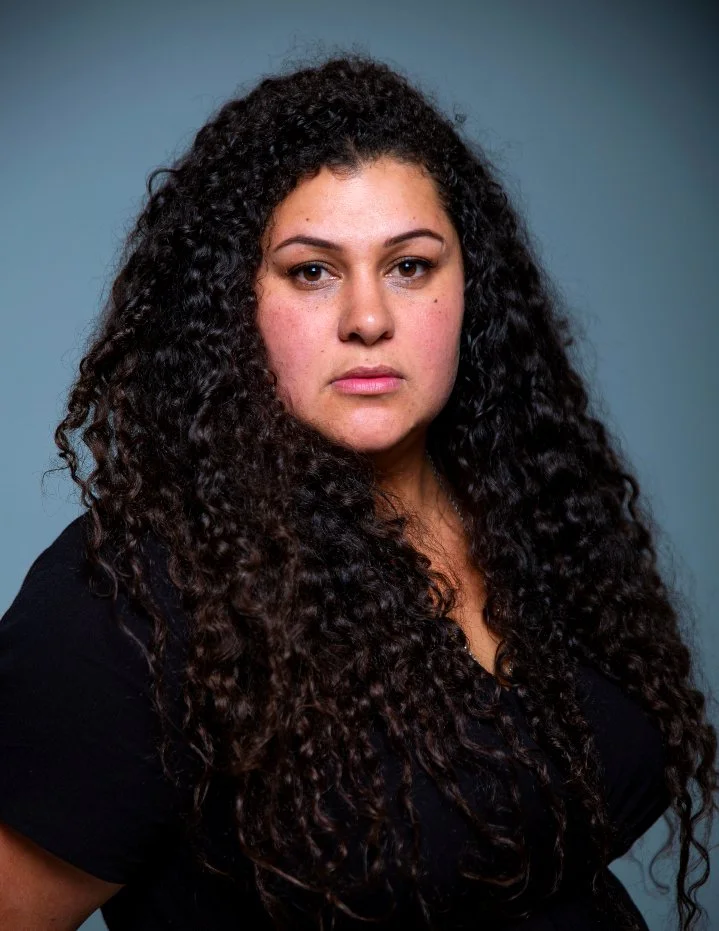
Vea Mafile'o
Film director
13
APPEARANCES
10
PODCASTS
Oct 12, 2026


Chad TownsendHOST
Um, you know, Vaea, was, was there much around Jonah's life away from the field? Like what, what did, what was he like away from the field? Give us an insight.

Vea Mafile'oGUEST
Well, I guess one of the things that really came through in terms of just trying to, you know, discover who he was, uh, was that he was actually a really, uh, kind and gentle and humble person.
Vea Mafile'oGUEST
And, you know, 'cause he, he got hounded all the time by press, by people just, you know, wanting stuff off him.
Vea Mafile'oGUEST
But most of the stories that we heard from everyone, and, you know, every- It's, it's random 'cause everyone has a Jonah Lomu story.
Vea Mafile'oGUEST
And most of the time it's just, like, them bumping into him at the dairy or, you know, just like a insignificant moment, but he was always very gracious in terms of giving them time for a- a- attention, you know, having a actual conversation with them, uh, quite willing to sign stuff.
Vea Mafile'oGUEST
So I think, you know, one of the things that came through was he was definitely a, a, a kind-hearted man, and he was also quite, um, he was just your average Tongan boy, which a lot of people thought he, he wasn't.
Vea Mafile'oGUEST
You know, they thought he'd kind of gone into the Western world and become this kind of person, but he could, he could speak Tongan.


ReeceHOST
can you elaborate a little bit more on some of the challenges that you came across in making lomu
Vea Mafile'oGUEST
Yeah, I mean, I think we all know about, you know, the past sort of history around the families.
Vea Mafile'oGUEST
So there's a lot of trauma around him, a lot of sort of unhealing, or that's not the right term, what is it? A lot of grieving.
ReeceHOST
How is that? And why was that important for you guys?


Tiana HaxtonHOST
audiences back then, do you think they might not have understood that side of his story?
Vea MafileoGUEST
And that's why we had the cultural consultants, you know, Manase Lua, who was able to articulate the whole kind of like avoidance of eye contact and just kind of like these nuanced things that we do from our culture.
Vea MafileoGUEST
that in a Western context actually make us seem lower, or dumber, or useless, or you know, all these kind of things.
Vea MafileoGUEST
It's all of those things that I think people just needed to understand, you know, because he got such a hard time.
Vea MafileoGUEST
He was just being like a young Tongan dude like and then he was like thrown into this all of a sudden had to be like this professional onto it rugby player and um continuously watched continuously judged and I think it was really just the opportunity to say like hey give the guy a break also look at what he was going through medically.
Tiana HaxtonHOST
How did you balance telling these painful truths in the story without letting it overshadow who he was?


Vea Mafile'oGUEST
It was hard to find bits of Jonah, though, because, you know, obviously then he had been at high school.
Sam WallaceHOST
When you're making the film, though, what was the hard part for you? There must be a lot of roadblocks.
Vea Mafile'oGUEST
It was hard to find bits of Jonah, though, because, you know, obviously then he had been at high school.

Jase ReevesHOST
When you're making the film, though, what was the hard part for you? There must have been a lot of roadblocks.
Vea Mafile'oGUEST
Yeah, I mean, you know, every family has their issues that they sort of work through.

StormHOST
So when you, I suppose, are diving deeper into the story of Jonah, what more to the story was there to tell?
Vea MafileoGUEST
Well, you know, I think there's been like one version of him that's been put out in the media.
Vea MafileoGUEST
And so this film kind of provides the opportunity for people to see some truths and some realities and actually all the stuff he was going through, which was a lot.
Vea MafileoGUEST
I guess we try and put a bit of context to his upbringing, you know, his cultural sort of roots and, you know, he lived in Tonga for a while when he was very young.
Vea MafileoGUEST
I think there was this perception that he was like, which is, you know, right? Yeah.
Vea MafileoGUEST
But, you know, he was just like your average kind of South Auckland Tongan boy.
TeganHOST
It's hard to sort of narrow it down, I think.

AzuraHOST
What surprised you the most? And what was something that you really appreciated in that footage? What was one moment that stood out for you when you were looking through that footage that you're just like, wow.
Vea Mafile'oGUEST
And they were having a kaipola, so the family had put on a feast and you stand up and you talk.
Vea Mafile'oGUEST
And he was standing up and he was talking and he was talking in Tongan and he was emotional.
Vea Mafile'oGUEST
And I was like, oh, I recognise that from when I go back home, that really deep love that he's talking about his family and the land and, you know...
CharlieHOST
What would you say the balance is in this new doc? What can people expect?


Francesca RudkinHOST
And he was identified very quickly as being this sort of, I don't know, once in a generation sort of talent.
Vea Mafile'oGUEST
There should have been some more support for him to be able to deal with those pressures.
Francesca RudkinHOST
It hasn't been a straightforward film to make, though, has it? You know, there was a lot of difficulty with getting the rights to use Jonah's image, compared to other work you've done, how difficult has it been?
Francesca RudkinHOST
And he was identified very quickly as being this sort of, I don't know, once in a generation sort of talent.
Vea Mafile'oGUEST
I know you couldn't help that at all, but I think... probably there could have been enough support.
Vea Mafile'oGUEST
There should have been some more support for him to be able to deal with those pressures.
Vea Mafile'oGUEST
And I think that's, you know, you see that in his relationship breakdowns where maybe he just hasn't had the education or the support in terms of dealing with personal situations.


Vea MafileoGUEST
Um, but yeah, so it was actually a English production company who started it and then they approached a New Zealand one.
Vea MafileoGUEST
Um, Gavin was already involved, um, and then I guess, you know, the s- nowadays everyone kind of realizes that to tell kind of Brown stories you should probably have some-
Vea MafileoGUEST
You're right, it's unsettling and, you know, people have said that they f- it's, it is a uncomfortable watch.


Vea Mafile'oGUEST
No, you know what, as a Tongan, I had always felt that we had never had the opportunity to really, I guess, celebrate him or just really acknowledge him properly.
Vea Mafile'oGUEST
And so for me, it was always about getting to understand him, well, try to understand him, but also give that space where we could say, hey, we actually had this superstar and do some kind of celebration around that, even though he does have a tragic story.
Vea Mafile'oGUEST
But I think ultimately, too, it was for me to be able to give his mum her moment back.
22 MINS LATER
Vea Mafile'oGUEST
No, you know what, as a Tongan, I had always felt that we had never had the opportunity to really, I guess, celebrate him or just really acknowledge him properly.
Vea Mafile'oGUEST
And so for me, it was always about getting to understand him or try to understand him.
Vea Mafile'oGUEST
but also give that space where we could say, hey, we actually had this superstar and do some kind of celebration around that, even though he does have a tragic story.
Vea Mafile'oGUEST
But I think ultimately, too, it was for me to be able to give his mum her moment back.
23 MINS LATER
speaker_0ADVERTISER
I


Vea MafileoGUEST
You know, the kind of general rule of thumb for documentary, they say, put aside seven years of your life.
Vea MafileoGUEST
You know, that's from the kind of start to the end point of getting it out there.
Vea MafileoGUEST
it takes up a lot of time and and you really have to um be very very passionate about your topic and your script uh because you have to live with it for so long and i think that's part of why it's so uh difficult to get films up and running is because the investment in it is quite large and Yeah, we are lucky here in New Zealand that we do have places like the New Zealand Film Commission that do support story development.
Vea MafileoGUEST
Although that has changed a bit in the last couple of years, you know, grants and funding has become a lot tighter, which is a shame.