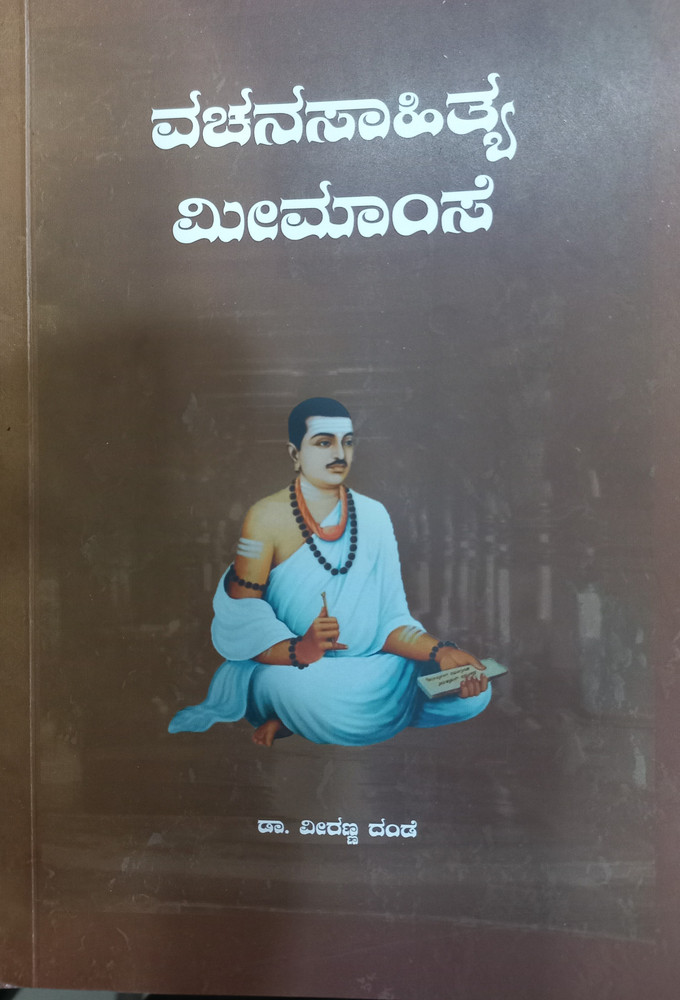
Vachana sahitya
87
MENTIONS
4
EPISODES
4
PODCASTS
Search complete. 87 mentions across 4 episodes found for "Vachana sahitya".
Oct 1, 2026

N. S. GundurGUEST
It begins with 19th century, and in 10th century we have great epics.
N. S. GundurGUEST
And in 12th century, uh, for a very, very short period, you know, between, according to historians, between 1155 to 1167, there was a social revolution, you know, which is known as Vachana movement, Lingayat movement, or it is also called Veerashaiva movement.
N. S. GundurGUEST
See, [clears throat] the Sharanas, uh, Shiva Bhaktas, Sharanas came together in the city of Kalyana.
N. S. GundurGUEST
Now, in the, in modern Karnataka, it is in Bidar Other district.
N. S. GundurGUEST
He, he's the master to all Shiva Sharanas.
N. S. GundurGUEST
You know, [clears throat] uh, there are many stories about, uh, uh, this figure, uh, mythical stories, but what is important for us is that he is a mystic, a unique mystic.
N. S. GundurGUEST
He practiced his, uh, philosophy through Vachanas.
N. S. GundurGUEST
Vachanas are free verse compositions.

N. S. GundurGUEST
It begins with the 19th century and in 10th century, we have great ethics.
N. S. GundurGUEST
And in 12th century, for a very, very short period, you know, between, according to historians, between 1155 to 1167, there was a social revolution, you know, which is known as Vachana movement, Lingayat movement, or it is also called Veer Shaiva movement.
N. S. GundurGUEST
See, the Sharanas, Shiva Bhaktas, Sharanas came together in the city of Kalyana.
N. S. GundurGUEST
Now, in modern Karnataka, it is in a bigger district.
N. S. GundurGUEST
But what is important for us is that he is a mystic, a unique mystic.
N. S. GundurGUEST
He practiced his philosophy through vachanas.
N. S. GundurGUEST
Vachanas are philosophies.
N. S. GundurGUEST
free verse compositions.

N.S. GundurGUEST
It begins with 19th century, and in 10th century we have great epics.
N.S. GundurGUEST
And in 12th century, uh, for a very, very short period, you know, between, according to historians, between 1155 to 1167, there was a social revolution, you know, which is known as Vachana movement, Lingait movement, or it is also called Veerashaiva movement.
N.S. GundurGUEST
See, [clears throat] the Sharanas, uh, Shiva Bhaktas, Sharanas came together in the city of Kalyana.
N.S. GundurGUEST
Now, in the, in modern Karnataka, it is in [audio glitches] district.
N.S. GundurGUEST
Allama Prabhu, Lord, he, he's the master to all Shiva Sharanas.
N.S. GundurGUEST
You know, [clears throat] uh, there are many stories about, uh, uh, this figure, uh, mythical stories, but what is important for us is that he is a mystic, a unique mystic.
N.S. GundurGUEST
He practiced his, uh, philosophy through Vachanas.
N.S. GundurGUEST
Vachanas are free verse compositions.

N.S. GundurGUEST
But what is important for us is that he is a mystic, a unique mystic.
N.S. GundurGUEST
He practiced his philosophy through vachanas.
N.S. GundurGUEST
Vachanas are philosophies.
N.S. GundurGUEST
free verse compositions.
N.S. GundurGUEST
Vachana means statement, speech, promise, discourse.
N.S. GundurGUEST
It's a short free verse genre through which sharanas expressed their worldview, their wisdom, their teachings.
N.S. GundurGUEST
So Allama is unique among all these Vachanakaras.
N.S. GundurGUEST
His Vachanas are known as Bedugu Vachanas, like what in Hindi we call Ullat Bashi, that kind of riddle kind of Vachanas.