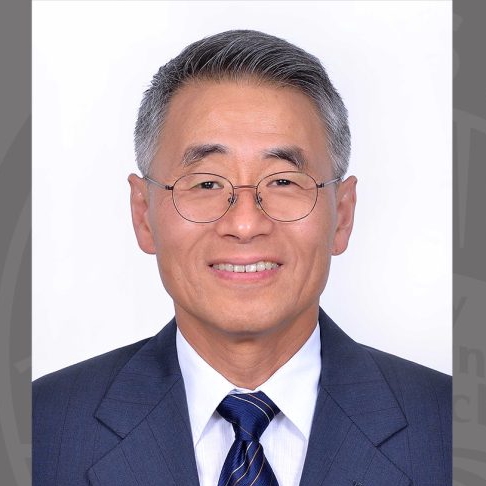
Ty Wang
CEO & Co-founder of Angle Health, the AI-native, vertically integrated health benefits platform delivering customizable health plans to small and medium-sized businesses.
3
APPEARANCES
3
PODCASTS
Aug 3, 2026


Ty WangGUEST
And, and when you think about it, a lot of these, whether it's provider-payer interactions like authorizations and claims, um, or whether it's, it's member-facing interactions around navigation, benefits, and all of that, they are generally fairly kind of, uh, workflows with very discreet decisions, and the information is available there, whether it's within the plan designs or the, the SPDs or, um, the contracts with providers.
Ty WangGUEST
And a lot of that historically has been very difficult for any, for, for any human to actually even have context on.
Ty WangGUEST
So when you, when you take something like claims processing, for example, claims processing manuals are like hundreds of pages.
Ty WangGUEST
It's like a five hundred plus page manual, and you expect an individual claims analyst or claims processor to, to know what's in all of those hundreds of pages and be able to apply that to, to any given claim.
6 MINS LATER

Norm VolskyHOST
Like, what did you do to, uh, believe that like, "Hey, the last five years were successful"? What are you looking forward to?


Brett StapperHOST
When you break that down of what you want to rebuild and maybe do building blocks, what's the order? What do you focus on first? What do you do next? What's the steps to making that vision happen?
Ty WangGUEST
I think what we've built today is one of the biggest and one of the most important steps, and that's just ensuring that we can get as many people access to affordable coverage as possible.
Ty WangGUEST
So being able to access healthcare and pay for healthcare, and that's something that we've done through Angle Health and through our health plan products for these small and medium-sized businesses.
Ty WangGUEST
The reality is that almost half of Americans, of working Americans and their families are covered under a health plan that's provided by a small and medium-sized business.
Ty WangGUEST
That is also the part of the market that has the least optionality when it comes to the kinds of coverage that they have.
Ty WangGUEST
If you're a small business owner and you're in any part of the country, you very likely only have access to one, two, maybe three, if you're lucky, different health insurance options.

Ty WangGUEST
[laughs] If I were to change one regulatory or industry practice tomorrow, I think the w- I think what could make one of the most immediate impacts is, uh, I, I'd bring a lot more transparency into employer healthcare costs and broker compensation structures, particularly by the major insurance companies.
Ty WangGUEST
So particularly by large, uh, where, where these large incumbents use certain incentives to steer behavior.
Ty WangGUEST
We, I mean, we see it all the time today in the market, where in most cases, uh, broker compensation is designed in ways that favor or, or, or lock, uh, brokers and employers into certain carriers, um, or incentivize things like higher premiums, regardless of whether that's, that's best for the employers or the members.
Ty WangGUEST
And we see that across, I think across all, all, uh, lines of business within the health plan space, where we're only in the commercial space, but it's, it's true in, uh, Medicare, it's true in, in, in the government program space.
Ty WangGUEST
So, uh, I, I think, uh, most brokers want to do the right thing, but because of the kind of very opaque incentive structures that exist, as well as the gatekeeping of healthcare cost data, which is extremely impactful when you talk about small and medium sized businesses and, and the lack of access that they have there, um, that can make it very difficult for, for brokers to be that strategic partner, um, with, with fully aligned incentives.
Ty WangGUEST
So, and it's, it's one thing that we, that we focus on a lot today, so we're, we're, I would say we're really paving that road at Angle Health with, uh, what we, we call the Angle Health scorecard, where we're maybe the only health plan today that provides an unprecedented level of transparency into the actual healthcare costs for employers with every single quote that we, that we issue.
Scott KingHOST
And the last question I have for you, Ty, what issue is putting the most pressure on health plan margins right now, and how will you respond differently in 2026?