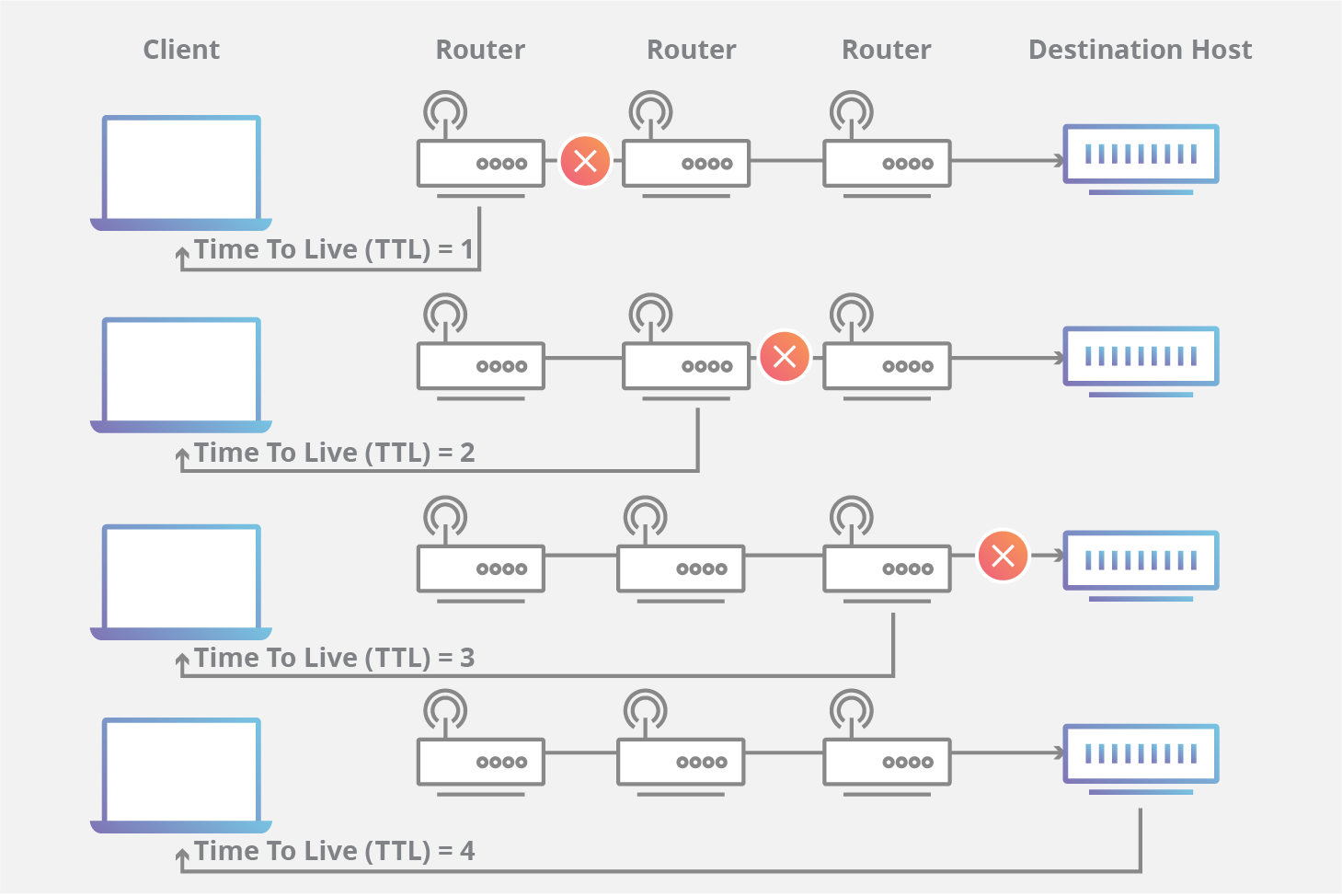
Time to live
34
MENTIONS
7
EPISODES
7
PODCASTS
Search complete. 34 mentions across 7 episodes found for "Time to live".
Sep 19, 2026

speaker_0HOST
So where does the data go?
speaker_1HOST
It just holds the fetched metadata in an ephemeral HTTP cache tier, like in memory storage or a Redis cluster, and that cache is naturally bounded by TTL headers.
speaker_0HOST
OK. Criterion two, security posture and attack surface.
speaker_0HOST
This is the big one.
speaker_1HOST
If a developer wants to decommission an app, they just delete the JSON file from their web server.
speaker_1HOST
And that's it? That's it.
speaker_1HOST
Once the authorization server's cache, TTL, expires, usually within 24 hours, the client ceases to exist globally.
speaker_1HOST
Zero orphan records.

Bryan C. MillsHOST
Never make a DNS change in a hurry you didn't plan.
Bryan C. MillsHOST
And before a plan changed, like a host move, lower the TTL a day ahead so the switch lands faster.
Bryan C. MillsHOST
Habit is the documenter's habit, and it matters more in DNS than almost anywhere else.
Bryan C. MillsHOST
because a mistyped record takes down real services, and there is no undo button.

Ethan BanksHOST
So when an LLDP advertisement comes in, they're going to grab onto it and store it.
Ethan BanksHOST
Well, how long are they going to store it? They're going to store it for a TTL value, time to live value.
Ethan BanksHOST
TTLs are something we run into all the time in networking where here's some information I'm going to give you.
Ethan BanksHOST
I want you to keep it.
Ethan BanksHOST
But I want you to keep it forever.
Ethan BanksHOST
And after an hour, I want you to make that go away.
Ethan BanksHOST
Just delete that information because it's probably no good anymore.
Ethan BanksHOST
And so you see TTLs, again, in all kinds of different things in networking.

Ethan BanksHOST
So when an LLDP advertisement comes in, they're going to grab onto it and store it.
Ethan BanksHOST
Well, how long are they going to store it? They're going to store it for a TTL value, time to live value.
Ethan BanksHOST
TTLs are something we run into all the time in networking where here's some information I'm going to give you.
Ethan BanksHOST
I want you to keep it.
Ethan BanksHOST
But I want you to keep it forever.
Ethan BanksHOST
And after an hour, I want you to make that go away.
Ethan BanksHOST
Just delete that information because it's probably no good anymore.
Ethan BanksHOST
And so you see TTLs, again, in all kinds of different things in networking.

Ethan BanksHOST
So when an LLDP advertisement comes in, they're going to grab onto it and store it.
Ethan BanksHOST
Well, how long are they going to store it? They're going to store it for a TTL value, time to live value.
Ethan BanksHOST
TTLs are something we run into all the time in networking where here's some information I'm going to give you.
Ethan BanksHOST
I want you to keep it.
Ethan BanksHOST
But I want you to keep it forever.
Ethan BanksHOST
And after an hour, I want you to make that go away.
Ethan BanksHOST
Just delete that information because it's probably no good anymore.
Ethan BanksHOST
And so you see TTLs, again, in all kinds of different things in networking.

speaker_0NARRATOR
Fix it by using fully qualified names with a trailing dot for external calls, or override ndots in dnsconfig for the workloads that need it.
speaker_0NARRATOR
Tune the core DNS cache plugin's success and denial TTLs deliberately.
speaker_0NARRATOR
Don't just accept the defaults.
speaker_0NARRATOR
Because negative caching is what protects you from repeatedly re-querying names that don't exist.

Ran ChenHOST
Another point of confusion is the cache's lifespan.
Ran ChenHOST
Prompt caches have a time to live, or TTL, which is often short by default, such as five minutes.
Ran ChenHOST
You can't assume a prompt cached in the morning will still be available in the afternoon if it hasn't been used recently to reset that timer.
Ran ChenHOST
The exam might present a scenario where caching seems to fail intermittently, and the cause could be an expiring TTL or subtle changes to the prompt prefix.
Ran ChenHOST
To remember the core principle, use this phrase: cache the constant, cut the cost.
Ran ChenHOST
This mental shortcut reminds you that the unchanging constant parts of your prompt are what you should target for caching to achieve the primary benefits of lower latency and reduced operational expenses.