Throne Verse
92
MENTIONS
32
EPISODES
21
PODCASTS
Search complete. 92 mentions across 32 episodes found for "Throne Verse".
Oct 25, 2026

Fatima QuraishiGUEST
Particularly in the 16th and 17th century, we start seeing that they are all inscribed with very sort of similar texts.
Fatima QuraishiGUEST
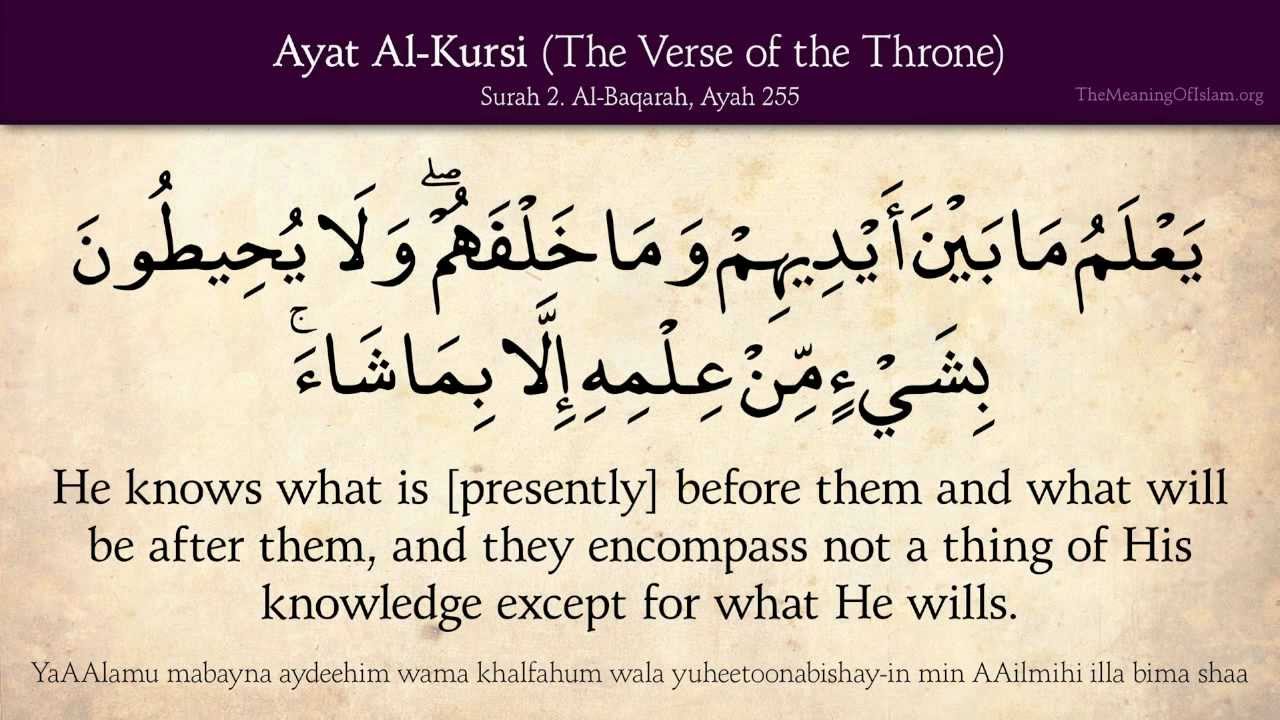
So Ayat al-Kursi, the throne verse, for instance, is inscribed on almost all cenotaphs.
Fatima QuraishiGUEST
Surah Al-Mulk from the Quran is also inscribed on most of the cenotaphs.
Fatima QuraishiGUEST
And these are religious texts that continue to this day to be associated with talismanic properties as well as with texts that are recited in relation to death.

Fatima QuraishiGUEST
Particularly in the 16th and 17th century, we start seeing that they are all inscribed with very sort of similar texts.
Fatima QuraishiGUEST
So Ayat al-Kursi, the throne verse, for instance, is inscribed on almost all cenotaphs.
Fatima QuraishiGUEST
Surah Al-Mulk from the Quran is also inscribed on most of the cenotaphs.
Fatima QuraishiGUEST
And these are religious texts that continue to this day to be associated with talismanic properties as well as with texts that are recited in relation to death.

Mufti Adam EsmailHOST
Okay, before we start, our adhkar inshaAllah, we were speaking about, what were we speaking about? We're going through the adhkar of sabah, morning, and inshallah the aim is that weekly we will try to understand these adhkar more so you have a better connection with what you are reading.
Mufti Adam EsmailHOST
The first of these adhkar is ayat al-kursi and we are going through understanding that, alhamdulillah.
Mufti Adam EsmailHOST
Last week we spoke about the name Allah because Allah comes first, right? And we said, what are the origins? How many origins of the ulama mentioned? Four, does anybody remember them? Waliha and? Aliha and? Alilah and? Laha.
Mufti Adam EsmailHOST
Very good.
Mufti Adam EsmailHOST
The better you know who is Allah, the more affected your heart will be when you hear the name of Allah subhanahu wa ta'ala.
Mufti Adam EsmailHOST
So consistent worship of Allah subhanahu wa ta'ala and trying to know Allah is the best way.
Mufti Adam EsmailHOST
Now the best way for anyone to learn about who is Allah, there's no better way than this by the way, is through ayat al-kursi.
Mufti Adam EsmailHOST
Because this is Allah Himself giving you an introduction about who He is.

AarzooHOST
But I have to
speaker_2UNKNOWN
read Ayatul Kursi before I go into
AarzooHOST
every horror film.
AarzooHOST
Every
AliGUEST
But then, do you know why? Because, like, there's Kala Jadu and stuff going on.
AliGUEST
Yeah, I know.
AliGUEST
You know what I'm trying to say? So Ayatul Kursi and three calls and then blow over the whole cinema.
AliGUEST
The whole cinema room.

Abu IbrahimSOUNDBITE_SPEAKER
I think that most Muslims, they know Surah Al-Fatiha.
Abu IbrahimSOUNDBITE_SPEAKER
I think that most Muslims, they know Ayat Al-Kursi, Surah Ikhlas, Surah Falak, and Surah An-Nas.
Abu IbrahimSOUNDBITE_SPEAKER
I think most Muslims, even our children, they know these things.
Abu IbrahimSOUNDBITE_SPEAKER
And if you don't know them, they're not difficult to learn.
Abu IbrahimSOUNDBITE_SPEAKER
Wallahu a'alam, this seems to be the stronger opinion.
Abu IbrahimSOUNDBITE_SPEAKER
Okay, so now before the session, you're in wudhu, they are in wudhu, you have done your adhkar which I've mentioned and you can buy the book The Fortress of the Muslim and it's full of the adhkar and inshaAllah you've done your adhkar and you've recited over yourself just seeking protection from Allah for your own self.
Abu IbrahimSOUNDBITE_SPEAKER
Then what you can do as long as this person, you are mahram for this person, say this is the individual, just place your hand on their head, And recite those ayat, the same ayat which I have just mentioned Surah Al-Fatihah, Ayat Al-Kursi, those ayat of Sihar which I mentioned Surah number 7, Surah number 10, Surah number 20 These are surahs, you have this print out in front of you or on your iPad etc Put your hand on their head And just start to recite these ayat Okay Now, I'm reciting these ayat and you can also make the adhan into their ear You can also recite from the adhkar and recite those adhkar upon them Now, say for example during the session, the jinn begins to speak Should you speak to the jinn? No, you don't focus on speaking to the jinn You continue and you just recite, ignore any noises, ignore anything The key principle, golden principle for you when you're making rukya on somebody else, ignore everything and you just recite from the Book of Allah.
Abu IbrahimSOUNDBITE_SPEAKER
Okay? So you say, today, before the session, you decide, I'm going to recite all of Surah Al-Baqarah.

speaker_0HOST
While guarding collected charity food, he encountered someone who repeatedly attempted to take from it.
speaker_0HOST
That individual eventually taught him about reciting Ayat al-Kursi before sleeping.
speaker_0HOST
The reported statement included, فَإِنَّكَ لَنْ يَزَالَ عَلَيْكَ مِنَ اللَّهِ حَافِظٌ وَلَا يَقْرَبَنَّكَ شَيْطَانٌ حَتَّى تُصْبِحَ In meaning, a protector from Allah would remain over him, and a shaytan would not approach him until morning.
speaker_0HOST
But here's the surprising part.

Abdul Nasir JangdaHOST
Allah increases the reward of whomsoever He wills exponentially, and Allah indeed is all-encompassing and all-knowing." The conversation will start by, as we always do, talking about where Surah Al-Baqarah left off, and how the theme is continuing and the theme is transitioning to a new discussion.
Abdul Nasir JangdaHOST
Previously, here in Surah Al-Baqarah, Allah from Ayatul Kursi spoke about His might, His majesty, His power.
Abdul Nasir JangdaHOST
And then specifically, there were three stories that were mentioned, focusing on belief in the oneness of Allah.
Abdul Nasir JangdaHOST
And then particularly, the last two stories centered on the theme of resurrection.

Amjad RafiqGUEST
The firm or the strong handhold.
Amjad RafiqGUEST
And this is referred to in another verse in the Qur'an, in which Allah says, This is in Surah Al-Baqarah, Surah number 2, verse 256, which is the verse straight after Ayatul Kursi.
Amjad RafiqGUEST
So the meaning of this verse, rough meaning of this verse, whoever disbelieves in At-Taghut, whoever rejects the Taghut, and Taghut, as we've learned from the previous lessons, At-Taghut is anything which is worshipped besides Allah.
Amjad RafiqGUEST
All of the false objects of worship besides Allah.
Amjad RafiqGUEST
The firm or the strong handhold.
Amjad RafiqGUEST
And this is referred to in another verse in the Qur'an, in which Allah says, This is in Surah Al-Baqarah, Surah number 2, verse 256, which is the verse straight after Ayatul Kursi.
Amjad RafiqGUEST
So the meaning of this verse, rough meaning of this verse, whoever disbelieves in At-Taghut, whoever rejects the Taghut, and Taghut, as we've learned from the previous lessons, At-Taghut is anything which is worshipped besides Allah.
Amjad RafiqGUEST
all of the false objects of worship besides Allah.
22 more episodes mention Throne Verse.
Create an account to see the whole feed, search across every transcript, and follow the entities you care about.