tf–idf
2
MENTIONS
1
EPISODES
1
PODCASTS
Search complete. 2 mentions across 1 episode found for "tf–idf".
Sep 10, 2026

speaker_1HOST
That's the key check, and the authors pretty much land on your side of it.
speaker_1HOST
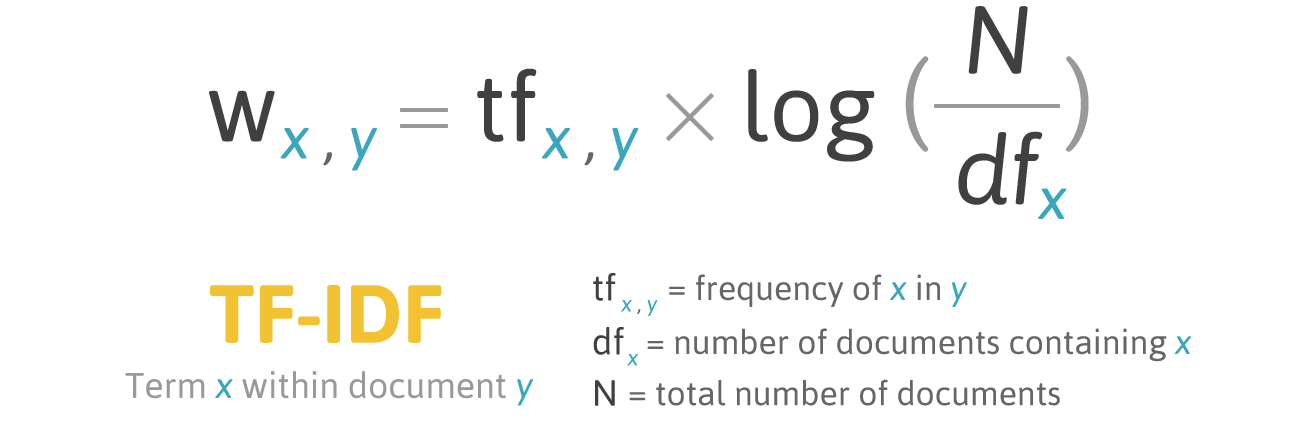
A conventional supervised classifier using TFIDF, which is just a way to count which words matter in a text, reached an MCC of 0.36, higher than the agent's 0.29, while the choice of LLM moved performance by a 13-point spread.
speaker_1HOST
So the signal looks more like content semantics than individualized behavioral simulation, and the big caveat is that all of this comes from Serbia, not a global population.
speaker_0HOST
So the practical takeaway is cautious but useful, you might use LLM personas for rough engagement forecasting, especially when you don't have training data, but not for precise individual targeting.
speaker_0HOST
This fits the algorithms are not magic thread too, because the sample is substantial enough to take the signal seriously, and narrow enough that I wouldn't want a campaign strategist treating it as a universal map of human reaction.
speaker_0HOST
That TFIDF result is a nice bridge, because algorithmic deception asks almost the same measurement question from the platform side.
speaker_0HOST
Are we seeing what people want, or what ranking systems make easier to see? Klevinskaya, Siegel, and Segment review 35 mass communication articles, and the plain finding is that search engines and digital algorithms often give deceptive material more visibility.
speaker_0HOST
Their umbrella term is deceptive communication, meaning misinformation, disinformation, propaganda, fake news, and conspiracy theories all grouped as content that misleads people in public life.