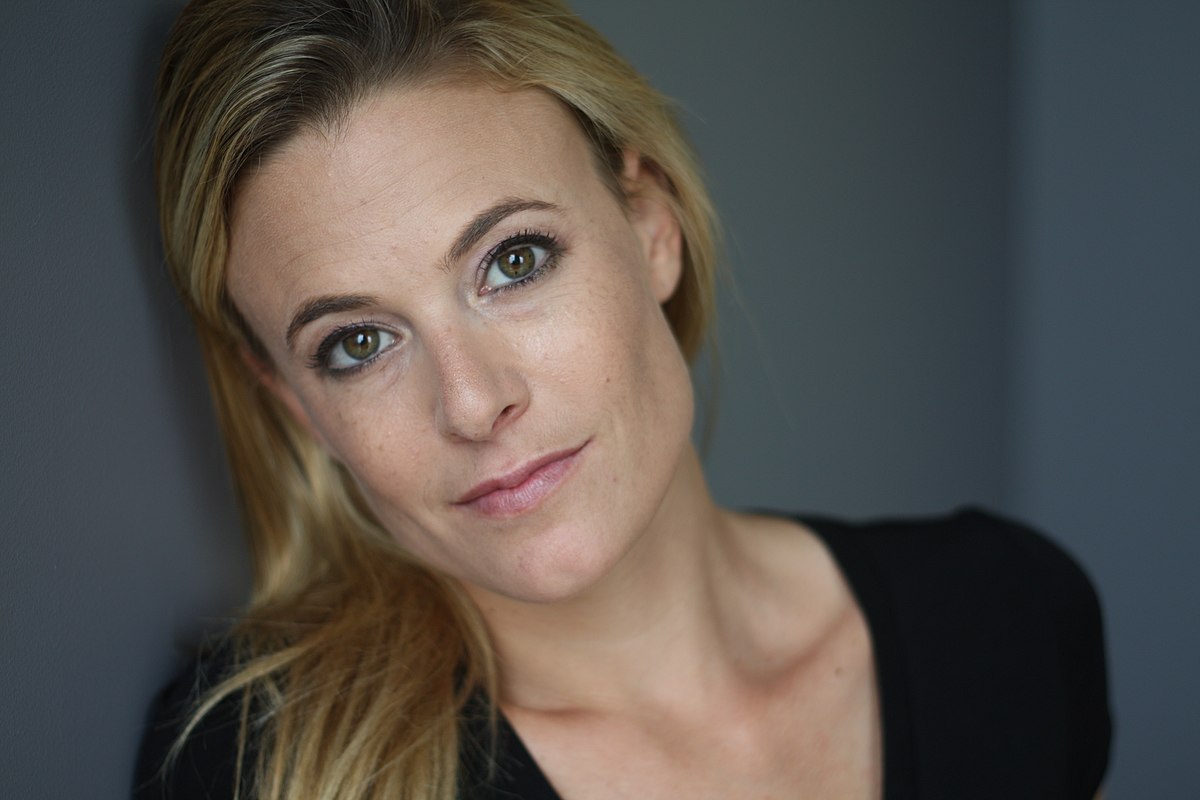
Tali Sharot
Israeli-British neuroscientist and professorWikipedia
6
MENTIONS
3
EPISODES
3
PODCASTS
Search complete. 6 mentions across 3 episodes found for "Tali Sharot".
Oct 21, 2026

Lawrence AntonHOST
This is a kind of retrospective optimism bias, but we also suffer from a future-oriented optimism bias as well.
Lawrence AntonHOST
Tali Sharot is a cognitive neuroscientist who has completed extensive research on optimism bias, and in her paper, The Optimism Bias, she explains this.
Lawrence AntonHOST
When it comes to predicting what will happen to us tomorrow, next week, or 50 years from now, we overestimate the likelihood of positive events and underestimate the likelihood of negative ones.
Lawrence AntonHOST
Humans tend to underrate our chances of getting divorced, being in a car accident, or suffering from cancer, whilst also overestimating how long we'll live, how much success we'll have in the job market, and how talented our children will be.
5 MINS LATER
Lawrence AntonHOST
If you ask most people about the quality of their life, the answer you'll get will likely resemble a gut instinct that is plagued with all manner of biases, including the ones that we've gone over here.
Lawrence AntonHOST
But what if people did think about this question? Even then, coming to the conclusion that your life is actually worse than you thought it is isn't a particularly nice thing to think about.
Lawrence AntonHOST
And as we've already heard from the research of Tali Sharot, people aren't likely to update their understanding of their lives if they're confronted with information that shows that it might be worse than they thought.
Lawrence AntonHOST
On top of that, it seems like optimism might actually be beneficial.

Phil AgnewHOST
... my pitch is like I do think it is better if you can manage it to get these...
Phil AgnewHOST
T- Tali Sharot to Psychology Corner.
Phil AgnewHOST
If we go, do a bit of Psychology Corner.
Mel BarfieldHOST
Do you want us to go to-
Mel BarfieldHOST
Yeah, yeah.
Mel BarfieldHOST
Go, go ahead.
Phil AgnewHOST
Should we do a bit? So there's this fantastic, um, social psychologist called Tali Sharot, and she's, she's done a lot of research on habituation, and she talks a lot about, in her, she's got a brilliant book called The Influential Mind, about how if you break up experiences, people enjoy them more.
Phil AgnewHOST
The most, the weirdest one is apparently if you have a massage and the masseuse stops for five minutes halfway through, you end up enjoying the massage more.

Fred AuzenneGUEST
So let's talk about why it's not just positive thinking, because I think it's important.
Fred AuzenneGUEST
Because sometimes when we say things, and I'm not criticizing anybody, but I think a lot of times what happens is as facilitators, instructors, and personal development, it sounds good, but there's no It's not like there's no credibility, but there's no basis in fact, okay? So I always like to go, let's talk about the reality, the real science behind it, right? So there's a guy named Tali Sharot, hopefully I'm pronouncing his name right, right? T-A-L-I-S-H-R-O-T at the University of College in London.
Fred AuzenneGUEST
And what he did is he spent all this time, all these years studying optimism bias, optimism bias, right? So it's the brain's orientation to the future.
Fred AuzenneGUEST
So, and to her, by the way, sorry.