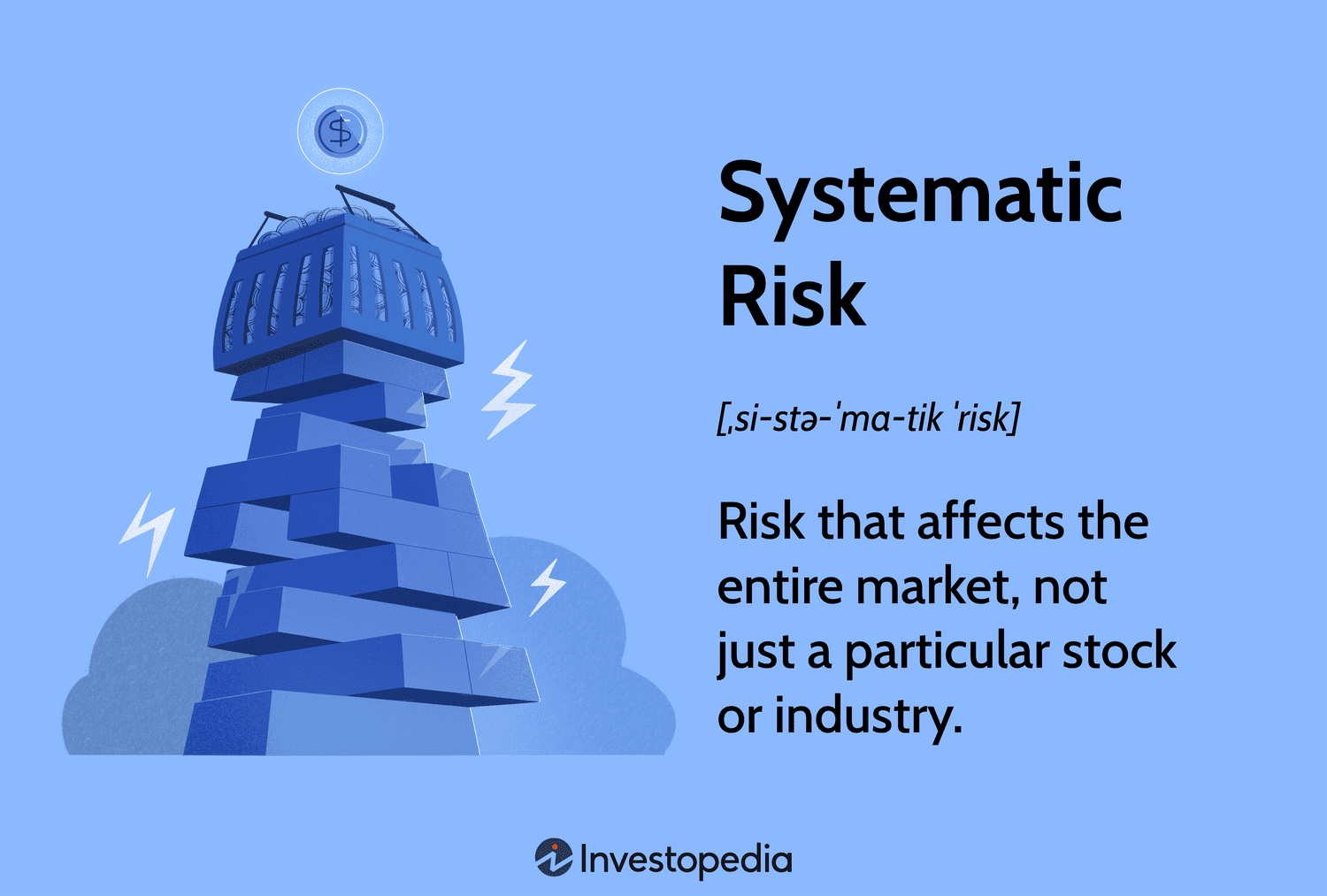
Systemic risk
40
MENTIONS
11
EPISODES
11
PODCASTS
Search complete. 40 mentions across 11 episodes found for "Systemic risk".
Sep 13, 2026

Itay GoldsteinHOST
Some people will say that we have too much regulation or regulatory uncertainty and that this is stifling innovation in this space.
Itay GoldsteinHOST
And others will say that we need regulation and maybe we need even more regulation because there are many threats, potential fraud, and potential risk for the system as a whole, what we think of as systemic risk.
Itay GoldsteinHOST
So those are issues that we want to discuss here today in this episode of the second season.
Itay GoldsteinHOST
And we have two perfect guests to talk about these issues.
17 MINS LATER
Jessica WachterGUEST
Part of the data is that we don't have the part of the issues that we don't have the regulations.
Jessica WachterGUEST
But, you know, there's plenty of fraud in the sort of dark corners of the equity markets, too, with very small equity securities that don't trade on exchanges.
Itay GoldsteinHOST
And the other side of regulation, the other reason why we have regulation in financial markets more generally is the concern about systemic risk and the idea that if there is a problem in one type of asset, one type of institution, this is going to spill over affecting the rest of the financial system and ultimately also the real economy.
Itay GoldsteinHOST
This has been mentioned in the context of cryptocurrencies and digital assets, but it's not clear that this is at this point big enough to worry us.

Itay GoldsteinHOST
Some people will say that we have too much regulation or regulatory uncertainty and that this is stifling innovation in this space.
Itay GoldsteinHOST
And others will say that we need regulation and maybe we need even more regulation because there are many threats, potential fraud, and potential risk for the system as a whole, what we think of as systemic risk.
Itay GoldsteinHOST
So those are issues that we want to discuss here today in this episode of the second season.
Itay GoldsteinHOST
And we have two perfect guests to talk about these issues.
17 MINS LATER
Jessica WachterGUEST
Part of the data is that we don't have the part of the issues that we don't have the regulations.
Jessica WachterGUEST
But, you know, there's plenty of fraud in the sort of dark corners of the equity markets, too, with very small equity securities that don't trade on exchanges.
Itay GoldsteinHOST
And the other side of regulation, the other reason why we have regulation in financial markets more generally is the concern about systemic risk and the idea that if there is a problem in one type of asset, one type of institution, this is going to spill over affecting the rest of the financial system and ultimately also the real economy.
Itay GoldsteinHOST
This has been mentioned in the context of cryptocurrencies and digital assets, but it's not clear that this is at this point big enough to worry us.

Neil C. HughesHOST
Incredibly cool story as well.
Neil C. HughesHOST
And now, of course, Accelerant operates this risk exchange that connects managing general agents with capital providers.
Neil C. HughesHOST
So tell me a little bit more about how this model can improve alignment and transparency and how maybe concentrating activity on exchanges could introduce new dependencies or maybe even systemic risks there.
Jeff RadkeGUEST
Two, if that's okay.
Jeff RadkeGUEST
The first one, what I would say is, what did we get taught in economics class? The only free lunch is diversification.
Jeff RadkeGUEST
So that's how the risk exchange works.
Jeff RadkeGUEST
That's the magic or the secret sauce, right, is you just you're solving it on a portfolio level as opposed to a product level.
Jeff RadkeGUEST
Now, what are the systemic risks potentially that we're introducing? There's a single point of data failure, which is Accelerant operating the risk exchange.

DarkPANELIST
As if, you know, um, serious, serious minds like Luke Gromen, who went off on, had a podcast and talked about the impending bank holiday that's coming, or Ray Dalio talking about the f- the impending doom in the system.
DarkPANELIST
Look, you know, it, it's almost comical at this point to think that we do not have systemic risk.
DarkPANELIST
And again, you know, pointing out risks, whether it's Ray Dalio, whether it's Luke Gromen, whether it's Puncher or myself, pointing out risks in the system is healthy.
DarkPANELIST
And why that threatens certain people to the degree that they have to host spaces that do nothing but attack us is, it, it, it almost boggles the mind, right? Uh, you know, I've been doing, I've been talking about this for two years now, and, and I talk about a lot of different risks in the system.
30 MINS LATER
DarkPANELIST
So what do they care? What do they care if the rich get...
DarkPANELIST
have to, have to s- get assets taken or get, get cut in half or get cut in three quarters, right? Just, just realize like that, that's a, a possibility.
DarkPANELIST
I, I'm not saying it's an inevitability, right? I, I don't know what the risks are, but understanding systemic risk doesn't make you a doomer boomer dancing grandpa.
DarkPANELIST
It makes you intelligent.

Chris HarveyGUEST
So if they made it through and many of them did make it through, they're going to lever back up.
Chris HarveyGUEST
So we do worry about systemic risk rising over the next couple months.
Chris HarveyGUEST
But it was a healthy repricing.
Chris HarveyGUEST
And I think we're in an okay spot for now.
Winnie CisarHOST
Yeah.
Winnie CisarHOST
I mean, everybody I talk to is always looking for that systemic risk because the credit markets historically have been kind of ground zero for some of those things.
Winnie CisarHOST
And with the growth of private credit, especially, people are looking at that asset class.
Winnie CisarHOST
And now that we have this kind of interconnected AI ecosystem, it's become front and center again.

ChloeHOST
On the other, when the entire US healthcare system is on the brink of collapse, into an impossible corner.
ChloeHOST
It highlights a massive systemic risk.
ChloeHOST
When we concentrate so much critical healthcare infrastructure into a few too-big-to-fail megacorporations, a single missing security setting can become a national emergency.
ChloeHOST
It's a harsh lesson for every industry, not just healthcare.

Nico AspinallHOST
Um, If you put everyone in the same boat, then you find that, yeah, you know, the rising tide rises, all of them, but the, the, you know, they all sink at the same time.
Nico AspinallHOST
And that is a systemic risk on, on UK PLC.
Darren PhilpHOST
So when
Nico AspinallHOST
people feel less rich themselves, they spend less money.
Nico AspinallHOST
And the 20th of people feeling brilliantly well off.
Nico AspinallHOST
That's, that's fine.
Nico AspinallHOST
But essentially to say that all, what are we 30 million employees, 40 million employees feel rich and poor at the same time introduces a huge systemic risk in the, in the macro economy.
Nico AspinallHOST
And then of course the reactions in portfolio introduces a big market risk.

Ben McKenzieGUEST
Um, this is really bad.
Ben McKenzieGUEST
What happens is these guys get into the system, they profit massively off of it, and we are creating systemic risk.
Ben McKenzieGUEST
We are creating the risk of a contagion effect where when crypto crashes again, which it will because it has repeatedly over its brief but tortured history, when it crashes again, it could contribute to the next financial crisis, and we could end up bailing these MF-ers out again.
Ben McKenzieGUEST
It is outrageous.

Erin DeeHOST
I know friend of the show, Sam Bulverity, has talked about this.
Erin DeeHOST
Mark McArdle, who I love, um, he recently put out, uh, an article about this, basically saying these non-banks who are massive, they are s- a systemic risk, especially if you're looking at increased delinquencies, cash flows, all of that.
Erin DeeHOST
And so perhaps we need to have one national regulator instead of state regulators, so is that the OCC, is that the CFPB, to regulate these big institutions, and also to help provide them with a, a liquidity backstop should they need it through FTAP with Ginnie Mae or something along those lines.
Erin DeeHOST
And so I just noticed that, that I hadn't heard much talk about that until the UWM situation, and now I've heard it from multiple areas of the industry, so I thought it was worth talking about.
1 more episode mentions Systemic risk.
Create an account to see the whole feed, search across every transcript, and follow the entities you care about.